What You Need to Know Before You Disconnect Hot Tub Electrical Wiring
If you are planning to remove, replace, or relocate your spa in June 2026, learning how to safely disconnect hot tub electrical connections is the most critical step of the process. Handling high-voltage 240V wiring without the proper precautions can lead to severe safety hazards, including electrocution or electrical fires. Let’s explain how to decommission your spa panel and secure your home’s electrical system without any sparky surprises.
Here’s the quick answer for how to safely disconnect a hardwired hot tub:
- Turn off the dedicated breaker at your main electrical panel
- Verify power is off using a multimeter or voltage tester (look for zero voltage)
- Open the outdoor disconnect box and remove or pull the fuse block
- Disconnect wires at the spa disconnect panel and at the hot tub control pack
- Cap all wires individually with wire nuts and secure them inside a weatherproof junction box
- Label the breaker clearly or remove the circuit entirely if the disconnection is permanent
- Check local permit requirements before starting — some municipalities require an inspection
Most full-sized hot tubs run on a dedicated 240V circuit drawing between 30 and 60 amps — 50 amps is the most common. That is the same voltage range as an electric range or dryer, but with even higher amperage. This is not a system you want to work on without fully cutting and verifying power first.
Here’s the thing: even experienced DIYers can run into trouble with hot tub wiring. The disconnect box, GFCI protection, wire termination, and local code compliance all need to be handled correctly — or you risk a code violation, a voided insurance claim, or worse.
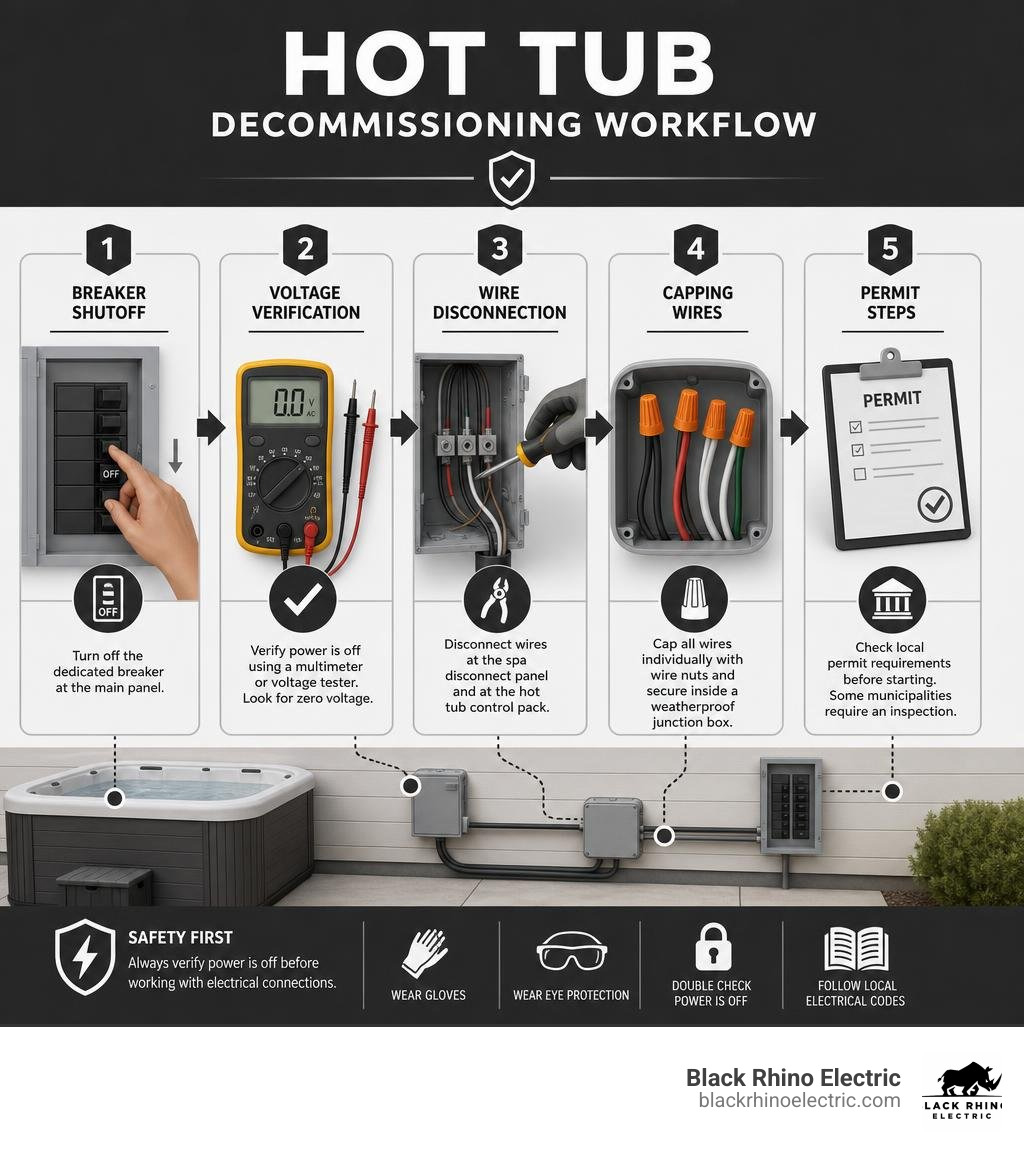
Simple guide to disconnect hot tub electrical terms:
Introduction
Whether you are preparing to upgrade to a brand-new model, clearing out the patio for a new outdoor kitchen, or moving to a new home in Weber County, safely removing your spa is a major task. While draining the water and moving the physical shell are heavy chores, dealing with the electrical feed is by far the most dangerous step.
High-voltage 240-volt systems require extreme respect. A typical residential spa draws between 30 and 60 amps, which is more than enough power to cause fatal injuries or devastating electrical fires if mishandled. You know what? Many homeowners assume that simply flipping a switch is enough to safely dismantle a hot tub. In reality, a proper decommissioning process involves a structured workflow to ensure that no live wires are left exposed to the elements. For a deep dive into the complete process, read our comprehensive guide on Pulling The Plug Safely Disconnecting Your Hot Tub.
How to Safely Disconnect Hot Tub Electrical Systems
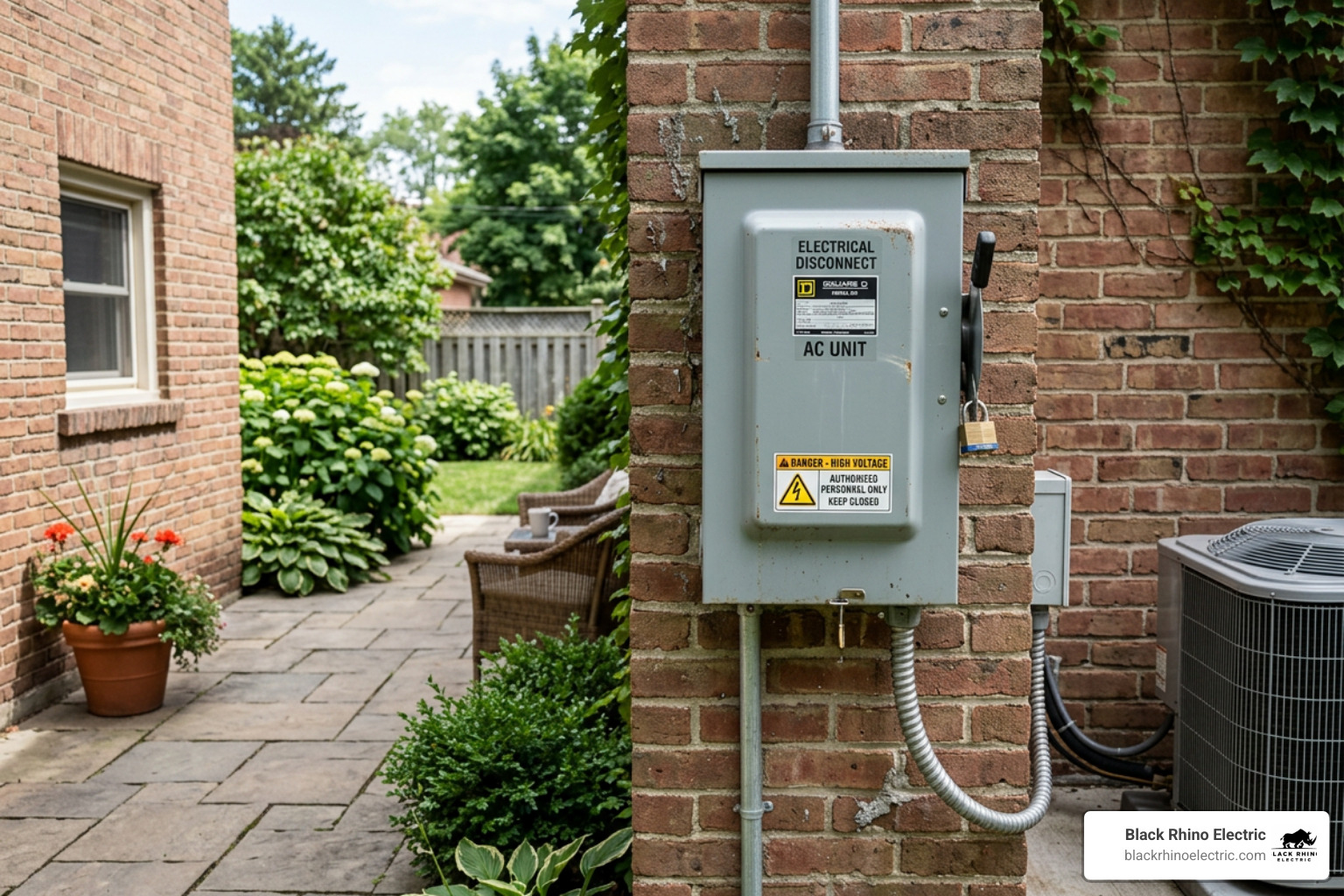
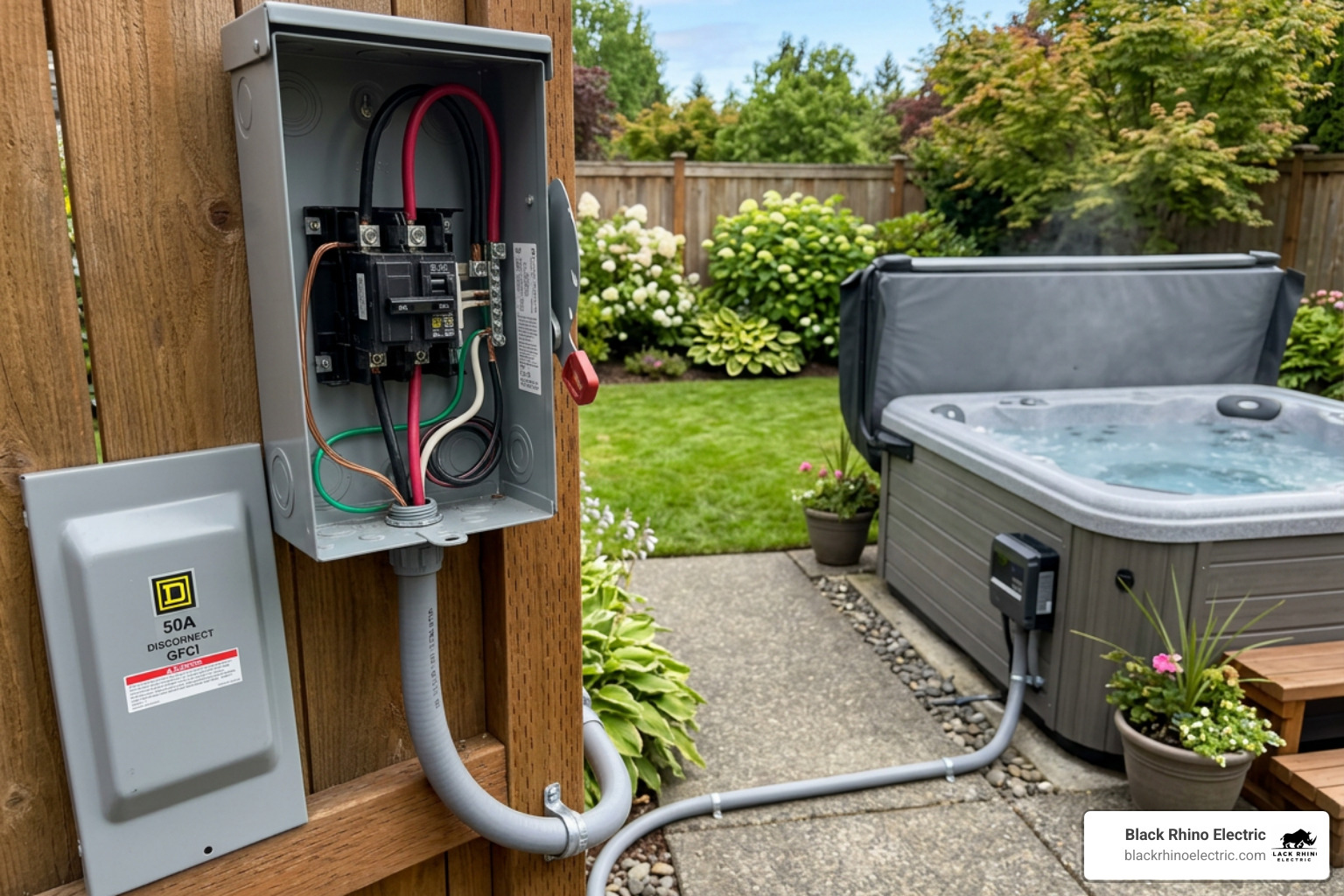
To successfully disconnect hot tub electrical components, you must understand how your system is structured. The National Electrical Code (NEC) requires a dedicated outdoor disconnect switch (often called a spa panel or AC disconnect) located within sight of the hot tub but at least 5 feet away from the water’s edge. This setup prevents someone in the water from touching the high-voltage switch.
Let’s explain how these lines run. Your main home electrical panel feeds power to this outdoor disconnect box, which typically contains a Ground Fault Circuit Interrupter (GFCI) breaker. From there, a flexible, liquid-tight conduit carries the wires directly into the hot tub’s internal control pack. When you decide to remove the tub, you cannot simply cut this conduit. Every wire must be safely uninstalled, capped, and secured at both ends to keep your home’s electrical grid safe and compliant with the latest building codes. For more information on how these systems are initially configured, check out the Hot Tub Wiring & Electrical Hookup Guide – Jacuzzi.
Identifying the Breaker and Verifying Power is Off
First things first: you must locate the correct breaker in your home’s main panel. This is usually a large, double-pole breaker labeled “Spa,” “Hot Tub,” or “Subpanel.”
- Shut Off the Main Breaker: Flip the dedicated double-pole breaker in your main household electrical panel to the “OFF” position.
- Apply Lockout-Tagout: If your panel is located in an area where someone else might access it (like a garage or shared basement), apply a lockout device or place a highly visible warning tag over the breaker to prevent accidental re-energization.
- Verify at the Outdoor Disconnect: Walk out to your outdoor spa panel. Open the cover and pull the fuse block or switch the local GFCI breaker to the “OFF” position.
- Test with a Multimeter: Never assume a breaker label is accurate. Use a reliable multimeter or non-contact voltage tester to verify zero voltage at the incoming lugs of the disconnect panel. Test hot-to-hot, hot-to-neutral, and hot-to-ground. You must read exactly 0.00 VAC before touching any terminal screws.
To learn more about how your disconnect box is wired and how to safely inspect it, read our guide on Everything You Need To Know About Your Spa Disconnect Wiring.
Step-by-Step Guide to Disconnect Hot Tub Electrical Systems
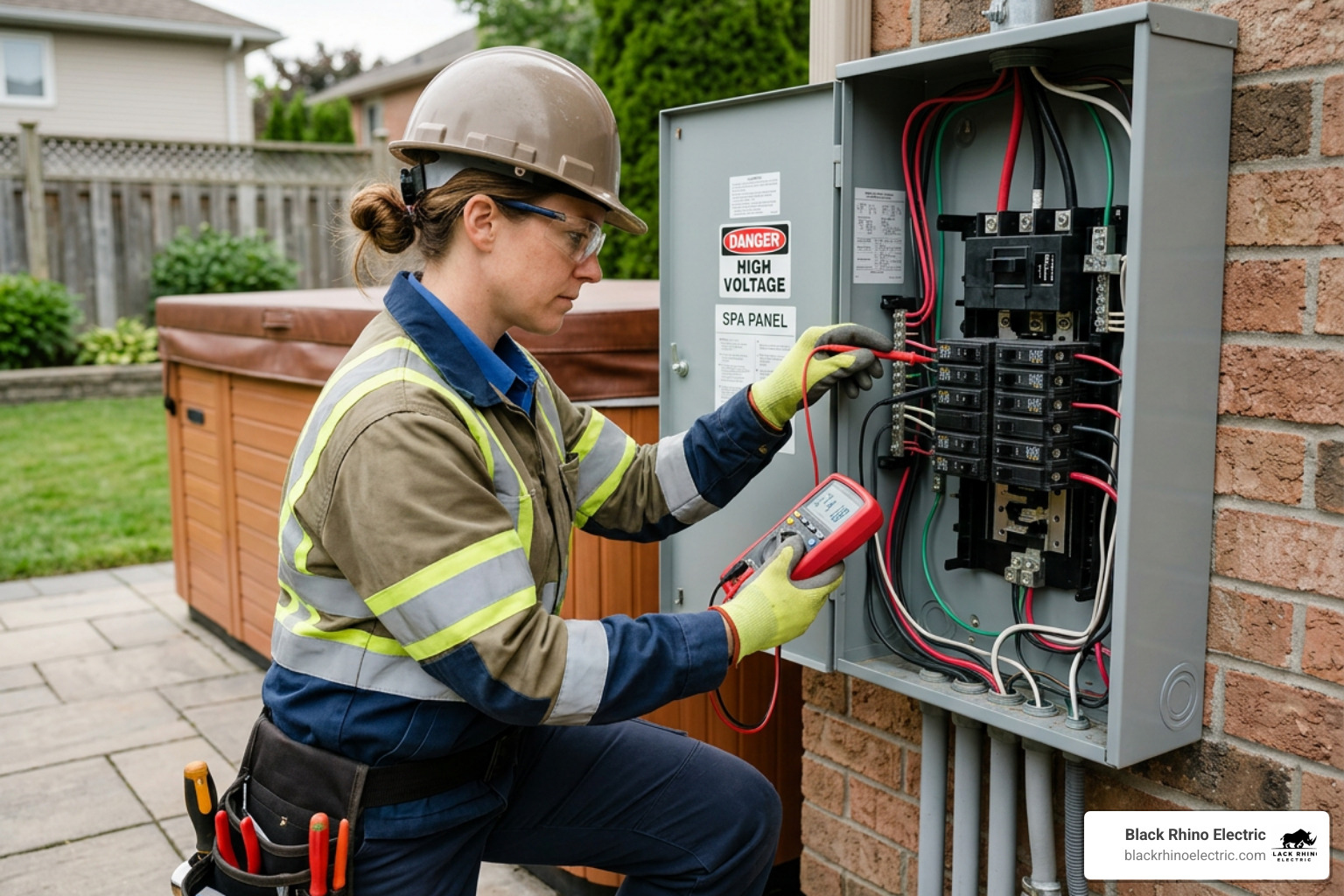
Now that you have verified the system is completely cold, you can proceed with the physical disconnection. Ensure you are wearing dry, rubber-soled shoes and using insulated hand tools.
- Step 1: Open the Spa Control Pack: Unscrew the access panel on your hot tub to expose the main control pack. Locate the incoming power terminals where the red, black, white, and green wires connect.
- Step 2: Loosen the Terminal Lugs: Use a screwdriver to back out the terminal screws. Gently pull the wires free from the lugs.
- Step 3: Remove the Conduit from the Tub: Loosen the liquid-tight conduit connector fitting at the base of the hot tub pack and pull the conduit and wires completely out of the spa shell.
- Step 4: Disconnect Wires at the Spa Panel: Open your outdoor disconnect panel. Loosen the load-side terminals (the wires running from the subpanel to the hot tub) and pull them out. Do not touch the line-side terminals (incoming power from the house) unless you are absolutely certain the main panel breaker is off and verified.
- Step 5: Pull the Cable: Carefully pull the disconnected wires out of the flexible conduit. If you are permanently removing the tub, you can remove the flexible conduit entirely.
For a detailed look at the installation side of these systems to better understand how they come apart, check out our article on How To Wire A 220V Or 240V Hot Tub Without The Sparky Surprises.
Crucial Safety Steps to Disconnect Hot Tub Electrical Lines
What do you do with the remaining wires? Leaving bare, loose wires inside an outdoor box is a massive code violation and a serious fire hazard.
If you are temporarily removing the hot tub (for deck repairs or landscaping), you must cap each wire individually with outdoor-rated wire nuts. Wrap them securely with high-quality electrical tape, and secure them inside a weatherproof junction box with a sealed cover. Clearly label the main breaker “DO NOT TURN ON – SPA REMOVED.”
If the removal is permanent, the safest route is to disconnect the feeder wires from the main household panel entirely. This ensures that the outdoor circuit can never be accidentally energized. If you choose to leave the outdoor disconnect box in place for future backyard upgrades, it must be properly dead-ended. For more safety insights on disconnect switches, read about the Stay Grounded With These Top Hot Tub Disconnect Switches.
Permits, Inspections, and Local Electrical Codes
Did you know that permanently removing or altering a high-voltage circuit often requires a local electrical permit? In many Utah municipalities, including Ogden, Roy, and Layton, unpermitted electrical modifications can lead to major headaches down the road.
If you sell your home, a home inspector will easily spot an abandoned, unpermitted outdoor electrical box. If it is not wired to code, it will be flagged as a safety hazard, potentially delaying your home sale. Furthermore, if an electrical fire occurs and investigators trace it back to unpermitted DIY electrical work, your homeowner’s insurance company may deny your claim. Always check with your local building department or consult a licensed professional to ensure your decommissioning meets all local guidelines.
Professional Electrician Costs vs. DIY Risks
While DIY projects can be rewarding, high-voltage electrical work carries extreme risks. Let’s look at how DIY compares to hiring a professional licensed electrician.
| Factor | DIY Disconnection | Professional Electrician |
|---|---|---|
| Safety Risk | High risk of electrocution or electrical fire | Zero risk to homeowner; fully insured |
| Average Cost | $20 – $50 (for tools and wire caps) | $200 – $500 |
| Code Compliance | High risk of code violations | Guaranteed NEC and local code compliance |
| Warranty & Insurance | May void spa warranty or home insurance | Protects all warranties and home insurance |
| Time Investment | 2 – 5 hours of research and labor | Under 1 hour |
Honestly, saving a few bucks is not worth risking your life or your home. A professional electrician has the experience, commercial-grade testing equipment, and code knowledge to complete the job safely and swiftly. For more information on professional disconnect standards, refer to the Hot Tub AC Disconnect: Installation Guide & Safety (2025).
Conclusion: Next Steps for Your Backyard Space
Once your hot tub’s electrical lines are safely disconnected, capped, and certified, you can finally reclaim your outdoor living space! Whether you plan to build a beautiful new deck, plant a vibrant garden, or install a modern outdoor dining area, you can proceed with complete peace of mind knowing your home is safe from electrical hazards.
If you live in Weber County or Davis County—including Ogden, North Ogden, South Ogden, Pleasant View, or surrounding areas—our team at Black Rhino Electric is here to help. We specialize in safe hot tub disconnections, panel upgrades, and complete residential wiring. If you need a reliable, professional Residential Hot Tub Electrician to handle your spa decommissioning, we have you covered.
Honestly, leaving high-voltage lines exposed or improperly terminated is a risk you just shouldn’t take. If you want to ensure your home remains completely safe and code-compliant, call the experts at Black Rhino Electric today at 801-810-4292 or Request a Free Quote to schedule your professional disconnection.