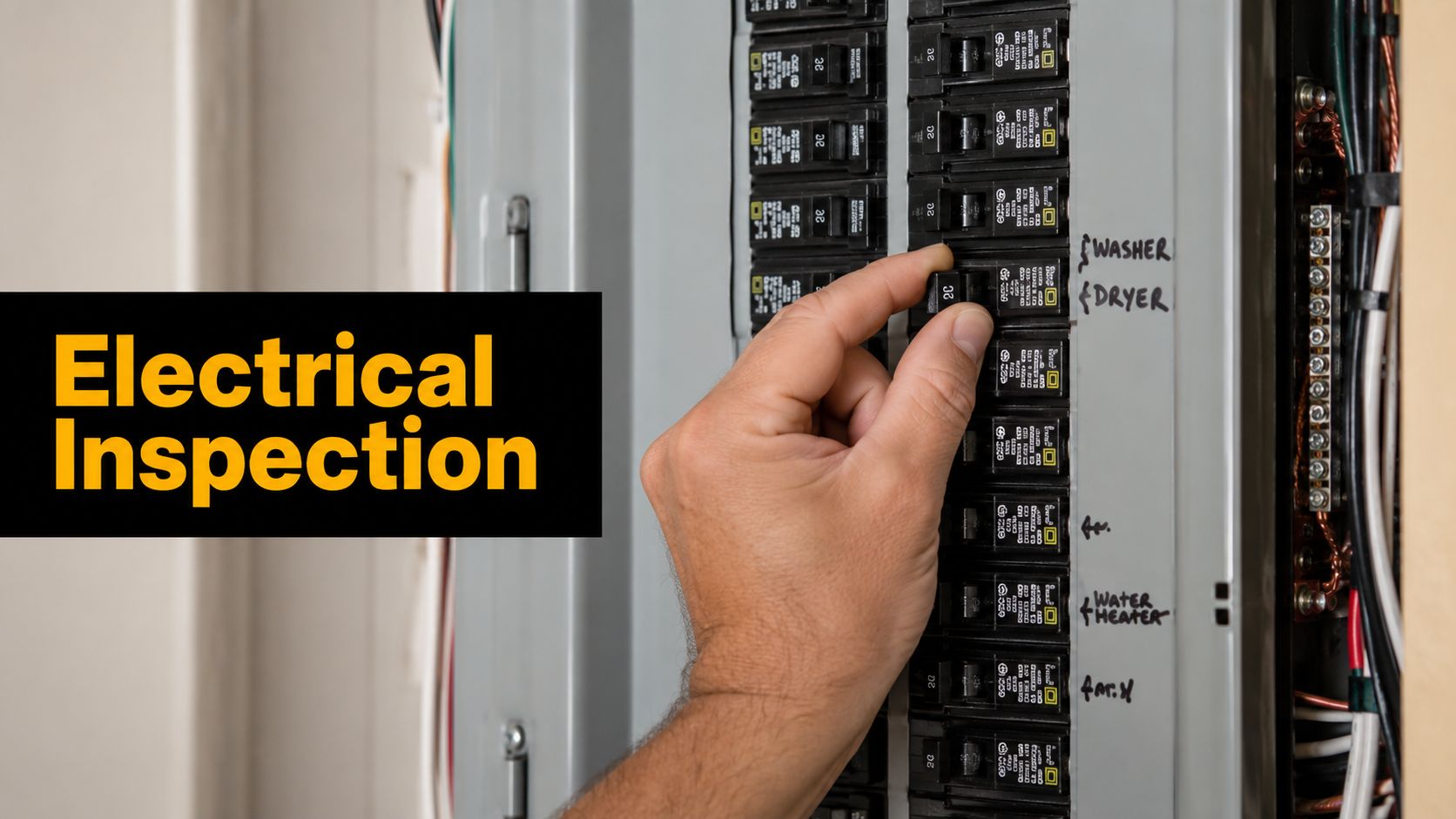
A professional electrical inspection is the clearest way to find hidden hazards and confirm a home can handle modern electrical demand, and in Northern Utah it typically costs $150 to $400 for many homes. That's a practical step when someone is buying, selling, remodeling, adding an EV charger or hot tub, or trying to figure out whether an older panel and wiring system are still safe.
A lot of homeowners start with the same search, Home Electrical Inspection Near Me, because something feels uncertain. Maybe lights dim when the microwave starts. Maybe the house was built decades ago. Maybe a basement finish or garage charger is on the wish list, and nobody wants to learn too late that the panel can't support it.
Your Guide to a Home Electrical Inspection
For homeowners in Weber County, Davis County, and Salt Lake County, a dedicated electrical inspection is one of the smartest service calls to make before a problem turns expensive or dangerous. General home concerns often sound small at first. A warm outlet, an older breaker panel, a remodel plan, or a question about aluminum wiring. Those are exactly the situations where a focused inspection helps.
A proper inspection does two jobs. It checks safety, and it checks capacity. Safety means looking for fire and shock hazards, code issues, damaged components, and outdated protection. Capacity means asking whether the system can support what the household wants next, such as an EV charger, a hot tub, new lighting, or added finished space.
Practical rule: If a home's electrical system hasn't been looked at in years, or if there's any doubt about past work, an inspection usually costs far less than guessing wrong.
Homeowners who want a simple preview of common checkpoints can review Black Rhino Electric's safety checklist before scheduling a visit.
When Should You Schedule an Electrical Inspection
Some calls are urgent. Others are smart timing. Either way, the best inspections happen before a small concern gets buried behind drywall, paint, or a real estate deadline.
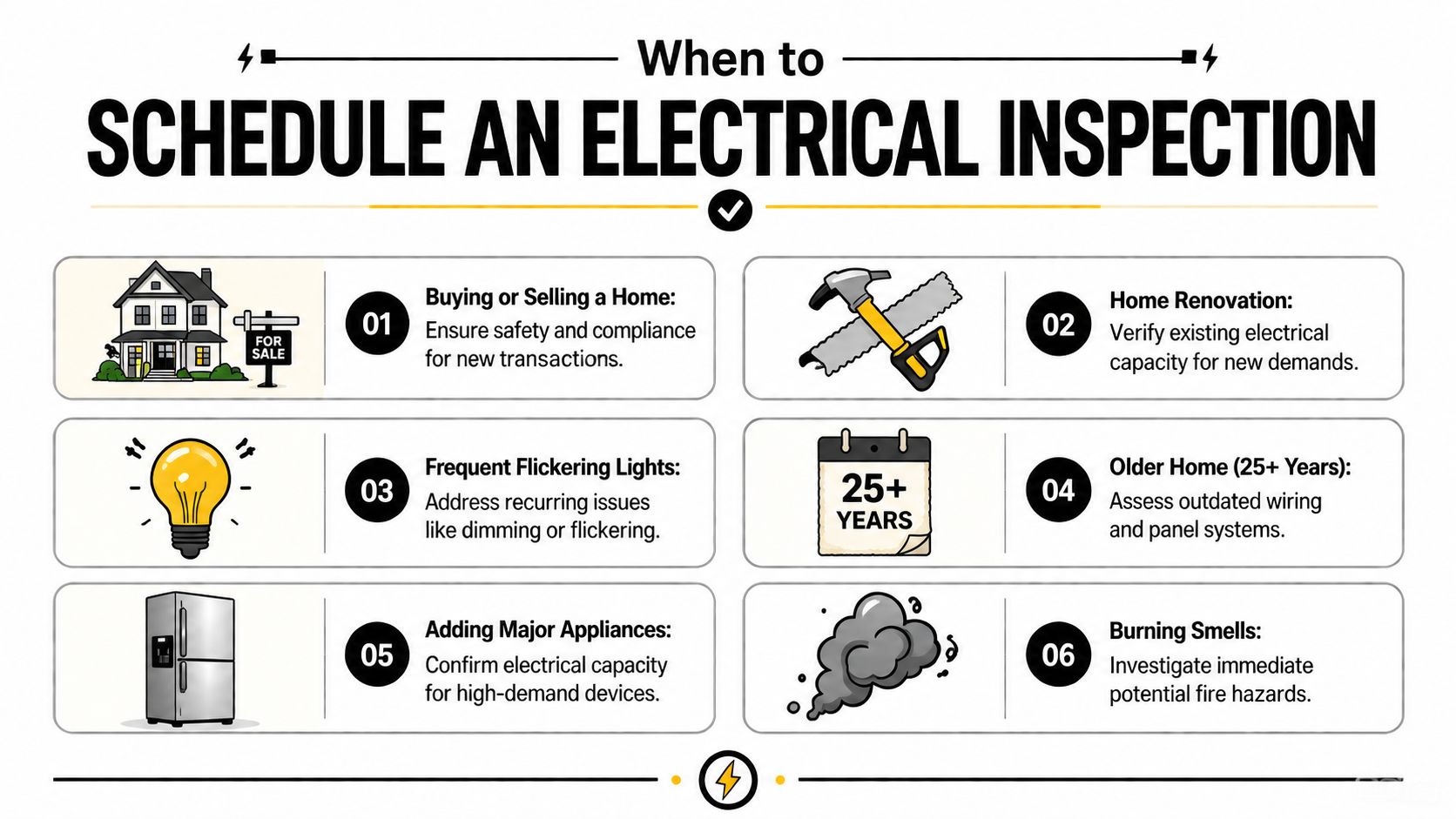
Before buying or selling a home
A sale is when electrical shortcuts tend to surface. Older homes in places like Ogden, Layton, Bountiful, and Salt Lake City often have layers of updates from different decades. Some were done well. Some weren't.
An electrical inspection before closing helps answer questions a general walkthrough may miss, such as whether the service is adequate, whether safety devices are where they should be, and whether past alterations look properly installed.
When the home is older or the history is unclear
Homes that have been standing for a long time often carry hidden electrical baggage. That might mean aging insulation, mixed wiring methods, outdated receptacles, or a panel that was acceptable years ago but struggles with today's loads.
According to InterNACHI's standards of practice, a professional inspection should verify that the main service disconnect has a minimum rating of 100 amps under NEC 230.79(C), describe the main disconnect amperage if labeled, identify wiring type where visible, and confirm clearances for service entrance conductors.
Before remodels and basement finishes
Remodels change load patterns. Adding recessed lighting, bathroom receptacles, kitchen circuits, office equipment, or finished basement rooms often means the old wiring plan no longer fits the way the house is used now.
This is also where permit questions matter. A lot of homeowners don't realize electrical work often needs permitting and official inspection before the work is considered complete. If the house has past changes that seem undocumented, it's wise to have that reviewed before more work is added on top.
Before adding high-demand equipment
This is the part many generic inspection articles skip. Safety matters, but capacity planning matters too.
According to the U.S. Department of Energy guidance referenced here, homes with older electrical panels, especially pre-1990s panels, often don't have enough capacity for modern EV chargers or high-load equipment like hot tubs, and a qualified electrician should perform a load calculation under NEC Article 220 before adding dedicated circuits for Level 2 EV chargers or Tesla Wall Connectors. Homeowners planning an installation should review options for EV charger installation before buying equipment.
After storms, strange behavior, or questionable past work
A few situations deserve fast attention:
- After weather exposure: Wind, moisture, and service damage can affect exterior equipment and connections.
- After repeated tripping or flickering: That usually means the system needs diagnosis, not guesswork.
- After discovering DIY work: If a previous owner added circuits, a hot tub, garage outlets, or outbuildings without clear documentation, the safest move is a professional review.
If a homeowner is planning a charger, spa, workshop, or major remodel, the inspection should answer two separate questions. Is the system safe now, and can it safely support the new load?
What a Professional Electrical Inspection Includes
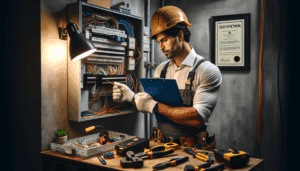
A real inspection isn't just opening the panel, glancing inside, and calling it good. It's a structured review of the service, visible wiring, devices, protection methods, and life-safety equipment.
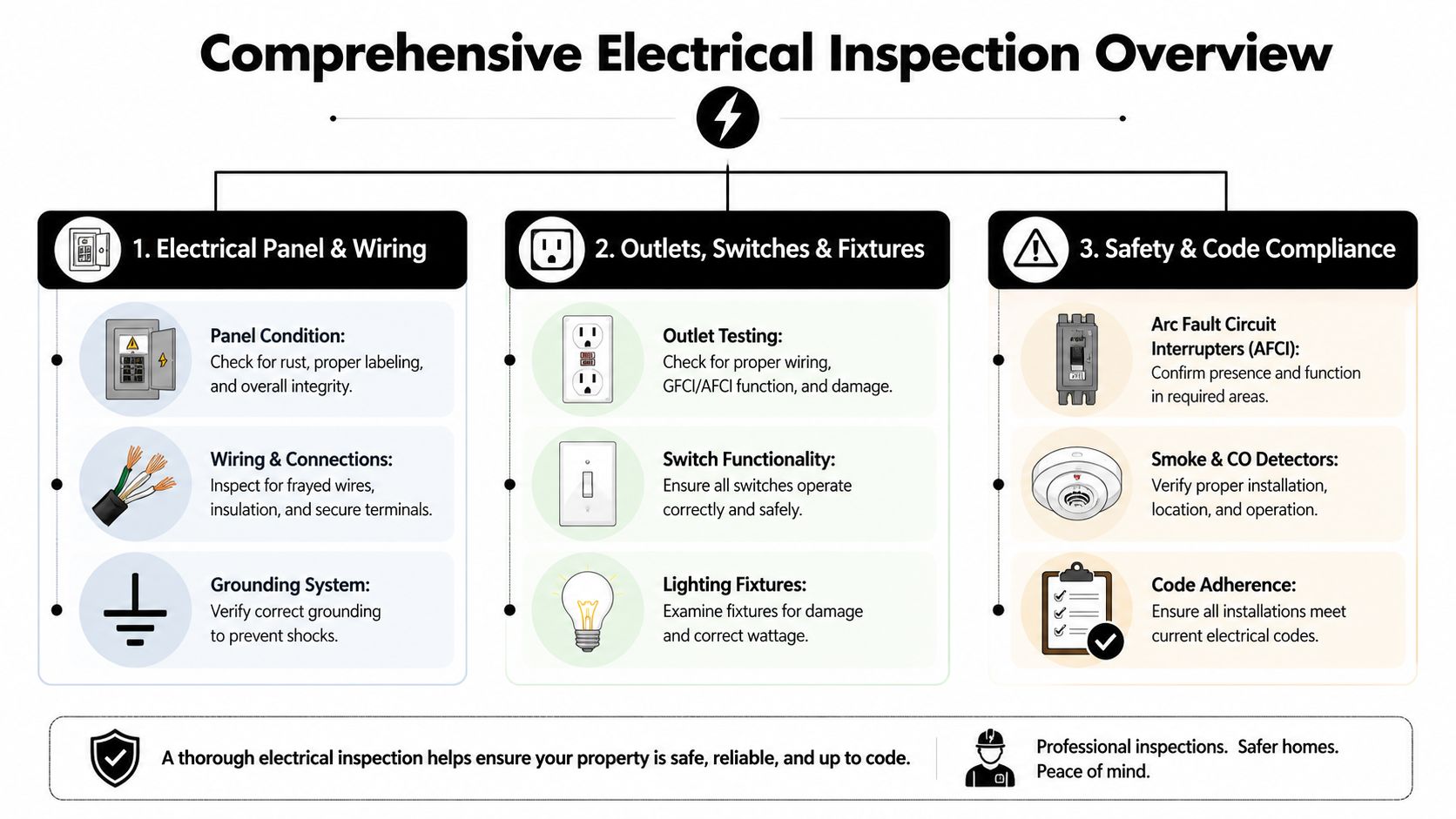
Electrical panel and service
The panel is the traffic controller for the entire house. If it's overloaded, deteriorated, improperly modified, or undersized, problems show up everywhere else.
An inspection typically looks at breaker condition, signs of overheating, rust, loose or double-lugged conductors where not permitted, labeling quality, grounding and bonding clues, and whether the service equipment is appropriate for the house. Accessibility matters too. The NEC 2023 Section 408.36 reference cited here requires panels to be accessible, unobstructed, and rated for the building's service voltage and amperage, and inspectors must confirm that no more than 10% of breaker slots are occupied by temporary or non-permanent loads.
For homeowners debating future upgrades, this is also where conversations about electrical panel repair or larger service changes begin. For broader context on load growth, some homeowners find it helpful to read about upgrading your 100 amp panel before deciding whether a simple repair is enough or a service upgrade makes more sense.
Wiring systems and circuits
Visible wiring tells a story. A licensed electrician looks for damaged insulation, unsupported cables, improper splices, exposed conductor issues, and wiring types that need closer attention.
Aluminum branch wiring is one example. It doesn't automatically mean a house is unsafe, but it does deserve informed evaluation because terminations, device compatibility, and connection quality matter. Mixed-era wiring is another common issue in older Northern Utah homes, especially when additions and remodels were done years apart.
A capacity-minded inspection also looks at how circuits are being used. A panel might appear stable during a casual walkthrough but still be stretched too thin for a future EV charger, hot tub, or workshop circuit.
Outlets, switches, and safety devices
Daily-use risks show up. Receptacles and switches should be secure, properly wired, not scorched, and appropriate for their location.
The 2021 IRC requirements summarized here call for GFCI protection in bathrooms, kitchens, garages, outdoor areas, and within 6 feet of sinks, tubs, and showers. The same code also requires AFCI protection in 120-volt, single-phase, 15- and 20-ampere bedroom circuits and other living areas. In plain terms, GFCIs are there to reduce shock risk near water, while AFCIs help detect dangerous arc conditions that standard breakers may miss.
That's why inspections include testing where those protections are present and noting where they're missing or outdated. In many homes, simple outlet replacement isn't the issue. The issue is whether the circuit has the right protection upstream.
Essential safety systems
Electrical safety isn't limited to wires and breakers. Smoke and carbon monoxide alarms matter because they're the final warning layer when something goes wrong.
An inspection should verify that hardwired smoke and CO detectors are present where required, appear properly located, and function as intended. During remodels, these often become part of the correction list because older homes may have patchwork alarm coverage or a mix of outdated devices.
A thorough inspection should leave the homeowner with answers, not just a vague pass or fail. The useful report explains what's safe, what needs repair, and what may limit future upgrades.
One practical option in Northern Utah is Black Rhino Electric, which handles both safety-focused inspections and capacity planning for upgrades such as EV chargers, hot tubs, panel changes, and code corrections.
Key Electrical Warning Signs You Should Not Ignore
A home doesn't have to go dark to have a serious electrical problem. Most hazards announce themselves early. The mistake is brushing them off as normal.
According to the NFPA data referenced here, electrical failures or malfunctions caused an estimated 47,000 home fires annually between 2015 and 2019, resulting in 429 deaths and $1.3 billion in direct property damage. Faulty wiring, overloaded circuits, and improper installations were primary contributors.
Signs homeowners can notice without opening equipment
- Breakers trip again and again: A breaker that keeps tripping is doing its job, but repeated tripping usually points to overload, a fault, or a circuit problem that needs diagnosis. If a breaker keeps tripping, that's a service call, not a nuisance to bypass.
- Buzzing or sizzling sounds: Electricity should be quiet. Noise at an outlet, switch, or panel can indicate arcing or a loose connection.
- Lights dim when appliances start: That can signal voltage drop, loose connections, overloaded circuits, or service capacity issues.
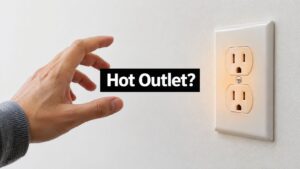
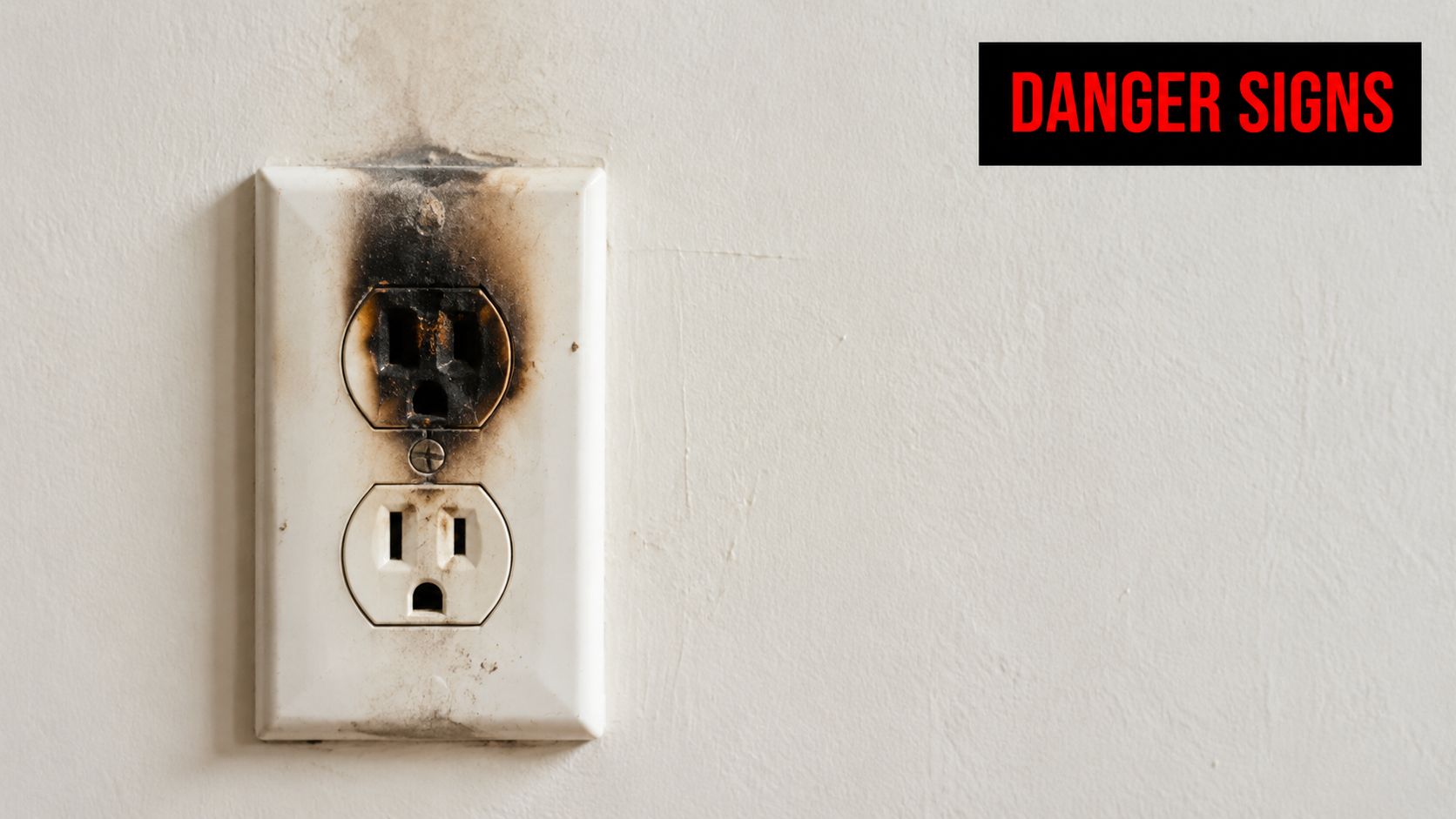
- Warm or discolored outlets: Heat marks, browning, or a melted faceplate are danger signs. The device may be failing, or the connection behind it may be deteriorating.
- A burning smell: This one shouldn't wait. Shut off power to the affected area if it can be done safely and call a licensed electrician.
- Two-prong outlets throughout the house: They often point to older, ungrounded wiring that needs evaluation before new electronics or appliances are added.
Older panels deserve extra attention
Some panels have known reputations for trouble, and homeowners with older service equipment should identify what they have rather than assume every breaker panel is the same. For example, this guide to identifying Zinsco panel hazards helps explain why panel brand and era can matter when evaluating risk.
If an outlet is hot, a panel smells burned, or a breaker won't stay set, the priority is safety. The priority is not getting the coffee maker back on five minutes faster.
How to Choose a Licensed Electrician in Utah
In Utah, hiring the right person matters more than many homeowners realize. That's because Utah does not require licensing for home inspectors and is one of only 18 states without that requirement. For electrical concerns, that means a general inspection alone may not give the homeowner the technical depth or code-based judgment needed to make decisions.
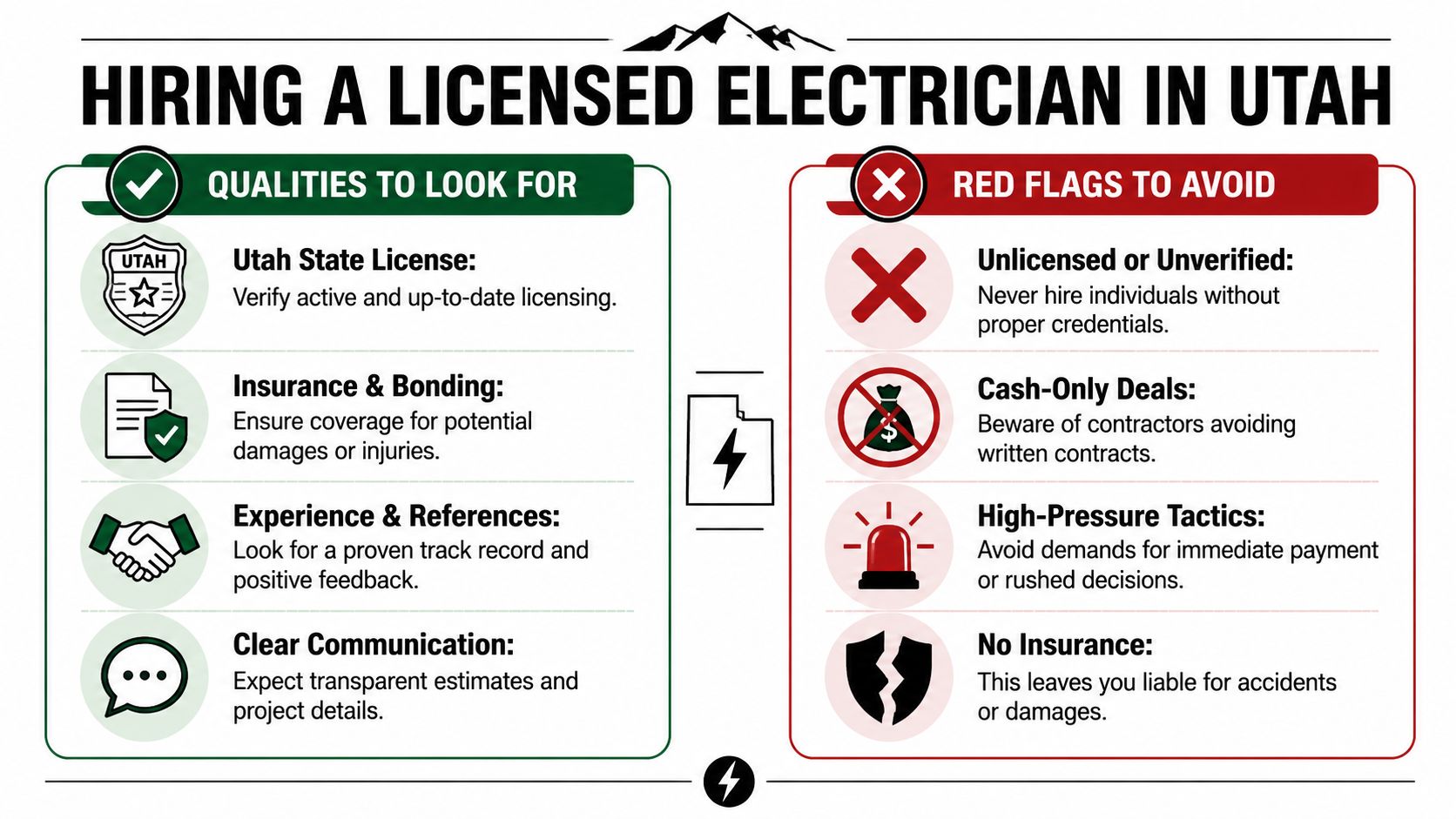
Why a licensed electrician matters
A dedicated electrical inspection should be performed by someone who works with panels, feeders, branch circuits, grounding, code corrections, and load calculations as part of daily trade practice. That's especially important when the question isn't just “Is this dangerous?” but also “Can this service handle what the homeowner wants next?”
A homeowner searching for a licensed electrician in Northern Utah should expect more than a quick verbal opinion. The contractor should be able to identify visible defects, explain practical repair options, and point out where safety and capacity overlap.
What licensed and insured means in practice
For the homeowner, “licensed and insured” isn't just a slogan. It means there's a formal trade credential behind the work, and there are protections in place if property damage or jobsite injury becomes part of the situation.
That matters during inspections because some findings lead directly into repair recommendations, permit work, service upgrades, or code corrections. The person identifying the issue should understand the repair path, not just the symptom.
Questions worth asking before booking
A short checklist can save a lot of frustration:
- Are you a licensed electrical contractor in Utah: This helps separate trade-qualified electricians from general inspectors or handymen.
- Do you carry general liability and workers' compensation insurance: Homeowners shouldn't have to guess where responsibility lands if something goes wrong.
- Will you provide a detailed written report of findings: Verbal summaries are easy to forget and hard to use during a sale, remodel, or repair planning process.
- Do you handle permit-related electrical work when needed: That matters if the inspection uncovers undocumented changes or upgrade needs.
The right hire isn't the one who says the least. It's the one who can explain what was found, why it matters, and what the next safe step is.
Inspection Costs and What to Expect
The process is usually straightforward. The homeowner calls, describes the property and the concern, and the contractor schedules a visit based on the home's size, age, and whether the inspection is general, pre-sale, post-remodel, or tied to a future addition like a charger or spa.
Typical cost range
In Utah, verified pricing references put standard electrical inspections in a range that commonly runs from $100 to $400, with some broader cases ranging from $75 to $500 depending on home size and age, and one cited average around $150 for many homeowners in the state, as noted in this report on the Utah inspection environment from KSL's investigation. For readers comparing local pricing, this overview of home electrical inspection costs in Utah gives a useful local breakdown.
In practical terms for Weber, Davis, and Salt Lake County homeowners, $150 to $400 is a sensible expectation for many dedicated inspections. Final cost depends on the age of the home, how accessible the electrical system is, whether there are multiple subpanels, and whether the visit includes more detailed capacity evaluation for future equipment.
What happens during the visit
Most appointments start with a short conversation about symptoms, recent remodels, planned additions, and any known problem areas. Then the electrician checks the panel, service equipment, visible wiring, receptacles and switches, required protection, and related safety devices.
Homeowners can help by making sure the panel is accessible, pets are secured, and known trouble spots are pointed out clearly. Nobody needs to troubleshoot the problem in advance. It's more useful to describe what happens, when it happens, and which rooms or appliances seem involved.
What the homeowner should receive
A useful inspection ends with a written record of findings. That should identify observed hazards, likely code concerns, and practical next steps. Some issues are immediate repairs. Others are planning items, such as limited panel capacity, aging aluminum branch wiring, or missing protection in areas where modern standards expect it.
A quote makes sense when the homeowner is facing any of these situations:
- Buying or selling: A written scope helps avoid last-minute surprises.
- Older homes: Especially if outlets, wiring, or panel history are unclear.
- Remodel planning: It's better to know service limits before walls are closed.
- New equipment: EV chargers, Tesla Wall Connectors, hot tubs, and added circuits should be matched to actual capacity.
- Visible warning signs: Heat, odor, buzzing, tripping, or flickering need a professional look.
If a home in Northern Utah needs a focused electrical inspection, a capacity review before an EV charger or hot tub, or a quote for repairs after the findings, Black Rhino Electric can be reached at 385-396-7048 or through the online quote request form.