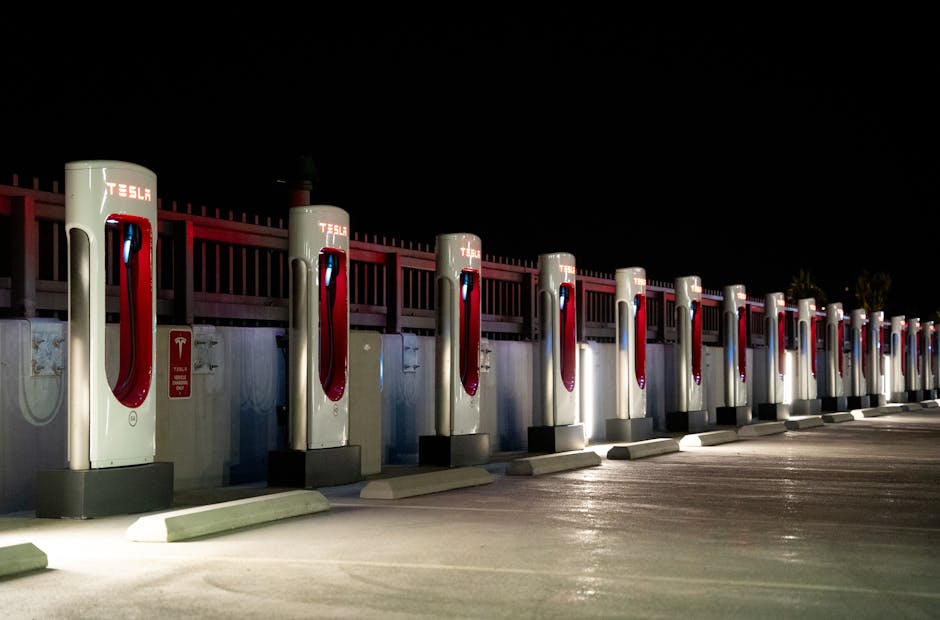
Finding the right business electric car charger installers is the first step toward future-proofing your commercial property and attracting a new wave of eco-conscious customers. Whether you manage a retail hub or an office complex, professional installation ensures your infrastructure stays ahead of the curve. Honestly, with the rapid rise in EV adoption, you can’t afford to wait while your competitors are already plugging in.
The Rise of Commercial EV Charging — and Why It Can’t Wait
Business electric car charger installers are licensed electricians and companies that specialize in selling, designing, permitting, and installing EV charging equipment at commercial properties. Here’s a quick look at what to look for when choosing one:
| What to Look For | Why It Matters |
|---|---|
| Licensed and insured electricians | Ensures safety and code compliance |
| Commercial installation experience | Avoids costly mistakes on complex projects |
| Manufacturer certifications (Tesla, ChargePoint, etc.) | Guarantees compatibility and quality |
| End-to-end services (site audit to maintenance) | Reduces hassle and keeps your system running |
| Knowledge of local permits and utility programs | Speeds up the process and unlocks rebates |
Electric vehicles are no longer a niche product. The National Renewable Energy Laboratory estimates there will be 33 million EVs on the road by 2030. That’s millions of drivers actively looking for places to charge — at the stores they shop at, the offices they work in, and the hotels they sleep in.
Here’s the thing: businesses that install EV chargers now are positioning themselves as go-to destinations for a fast-growing, high-value customer base. Those that wait risk being left out of the map entirely — literally, since EV drivers use apps like PlugShare to find charging locations before deciding where to stop.
The demand is real. The infrastructure gap is real. And the opportunity for businesses to fill that gap — while benefiting from generous federal tax credits and utility rebates — is very much open right now.

Business electric car charger installers terms made easy:
Why Your Property Needs Professional Business Electric Car Charger Installers
Honestly, installing an EV charger isn’t just about putting a plug in the wall. When you’re dealing with commercial properties in Weber County, the electrical demands are significantly higher than a standard residential setup. Professional business electric car charger installers ensure that your building’s electrical heartbeat stays steady while providing a premium service to your visitors.

Attracting High-Value Customers and Top Talent
Think about your favorite retail spot. If you drove an EV and knew you could top off your battery while grabbing lunch or shopping, wouldn’t you choose that location every time?
- Retail benefits: EV charging acts as a “digital billboard.” By appearing on charging maps, you draw in customers who stay longer and spend more.
- Workplace charging: For businesses in Ogden or Layton, offering charging is a massive perk. It helps recruit top talent—especially younger professionals who view sustainability as a non-negotiable value.
- Sustainability goals: Installing chargers isn’t just good for the planet; it’s good for your brand. It shows you’re a forward-thinking leader in the community.
If you are curious about the technical side, you can find more info about EV charger electricians and how they bridge the gap between utility power and your parking lot.
Monetizing Your Charging Stations for Maximum ROI
You know what? Your charging stations don’t have to be a pure expense. They can actually be a revenue center.
- Revenue generation: Modern software allows you to set pricing for visitors while keeping it free for employees. You can turn your parking lot into a passive income stream.
- Profit-making models: You can choose to charge per kWh, per hour, or even implement “idle fees” to ensure cars move once they are full, maximizing throughput.
- Cost recovery: Between user fees and the 30% federal tax credit available through 2026, many businesses find their initial investment pays for itself much faster than expected.
- Loss leader strategy: Even if you offer charging for free, the increased foot traffic and “dwell time” (the time a customer spends in your store) often result in higher sales that far outweigh the electricity cost.
| Feature | Level 2 Charging | Level 3 (DC Fast) |
|---|---|---|
| Voltage | 240V AC | 480V+ DC |
| Charging Speed | 15–80 miles per hour | 100–350+ miles in 20-45 min |
| Best Use Case | Workplaces, Apartments, Hotels | Gas Stations, Rest Stops, Retail |
| Installation Cost | Moderate (~$6,000 per port) | High ($75,000 – $100,000+) |
Let’s be real: commercial electrical work in Utah is complex. From the historic buildings in downtown Ogden to the new developments in West Haven, every site has unique challenges. This is where expert business electric car charger installers earn their keep.
Choosing Between Level 2 and DC Fast Charging for Your Business
Which one is right for you? It all comes down to how long your “guests” stay.
- Level 2: This is the gold standard for most businesses. If your employees are there for 8 hours or your apartment tenants are there overnight, Level 2 is perfect. It’s cost-effective and easier on your existing electrical panel. Check out our guide on the Best Level 2 EV Charger for Home to see the tech that powers these units.
- DC Fast: If you run a convenience store near I-15 or a fleet depot in Roy, you need speed. DC Fast Charging (DCFC) can fill a battery in the time it takes to grab a coffee. However, “here’s the thing”: these require massive power upgrades and specialized 480V transformers.
- Fleet and Hospitality: If you’re managing a fleet of delivery vans in Clearfield, your charging needs will differ from a hotel in Bountiful. We help you calculate the “concurrent load”—ensuring all your vehicles can charge at once without blowing a fuse.
Understanding Costs, Rebates, and Federal Tax Credits
Money matters. While the average Level 2 port cost about $6,000 to install in 2022, those costs can fluctuate based on how far we have to trench or if your panel needs an upgrade.
- Federal Tax Credit: Under the Inflation Reduction Act, businesses can deduct up to 30% of the cost of hardware and installation (up to $100,000) through 2026. That is a massive incentive you shouldn’t leave on the table.
- Utility Rebates: Many Utah utilities offer programs to help offset infrastructure costs. As local business electric car charger installers, we stay up-to-date on these shifting programs to save you the most money.
- State and Local Grants: Depending on your industry and location, there may be additional “green” grants available to help fund your project.
For a deeper dive into the numbers, read our breakdown on the Cost to Install EV Charger.
What to Look for in Business Electric Car Charger Installers
Don’t just hire any “electrician near me.” Commercial EVSE (Electric Vehicle Supply Equipment) requires specific expertise.
- Certifications: Are they Tesla Certified? ChargePoint Certified? These certifications ensure the installer knows the software, not just the wires.
- Licensed & Insured: This should be a given, but always verify. Commercial work carries higher stakes.
- Local Expertise: A team that knows the permitting office in Ogden or the building codes in Syracuse will get your project done faster.
- Turnkey Service: You want a partner who handles the site audit, the trenching, the wiring, and the final software commissioning.
The Installation Process for Business Electric Car Charger Installers
What does a typical project look like? We follow a proven 5-step path to get you powered up:
- Site Audit: We evaluate your current electrical capacity. Can your panel handle 10 new chargers? If not, we plan the upgrade.
- Infrastructure Planning: We design the layout. This includes “future-proofing”—installing extra conduit now so adding more chargers later is cheap and easy.
- Permitting: We handle the paperwork with the city (Ogden, Roy, Layton, etc.) so you don’t have to.
- Trenching and Wiring: This is the heavy lifting. We lay the “veins” of the system under your parking lot.
- Final Installation & Inspection: We mount the chargers, test the software, and walk through the final city inspection.
Honestly, skipping the pros is dangerous. Read more about Why You Need a Certified Electrician for EV Charger Installation to understand the safety risks of cut corners.
Conclusion: Partnering with Utah’s Electrification Experts
Transitioning your business to support electric vehicles isn’t just a trend; it’s a strategic move to stay competitive in Weber and Davis Counties. Whether you are managing a retail center in Ogden or a fleet in Kaysville, the right infrastructure makes all the difference.
At Black Rhino Electric, we live and work in the same communities you do. We understand the local grid, the local weather, and the local business needs. From simple Level 2 additions to complex multi-port arrays, we provide the precision and care your business deserves. We specialize in essential EV charger installations, panel replacements, and comprehensive wiring services throughout Weber County and surrounding areas.
You know what? Transitioning to electric isn’t just about being “green”—it’s about staying relevant in a changing economy. Let me explain: by the time 2030 rolls around, having a charger will be as expected as having a paved parking lot. If you’re ready to lead the charge in Weber County, our team at Black Rhino Electric is here to handle the heavy lifting from permit to power-up. For more info about our EV charger installation services, reach out to our experts. You can reach us at 801-810-4292 or Request a Free Quote today to get started!