When the furnace quits at night or the AC stops in the middle of a hot evening, panic sets in fast. 24 hour heating and cooling service matters because these problems rarely show up at a convenient time, and many of them are not just “HVAC issues” at all. Some are electrical faults, which changes what you should do next.
What Is 24-Hour HVAC Service and Why Do You Need It
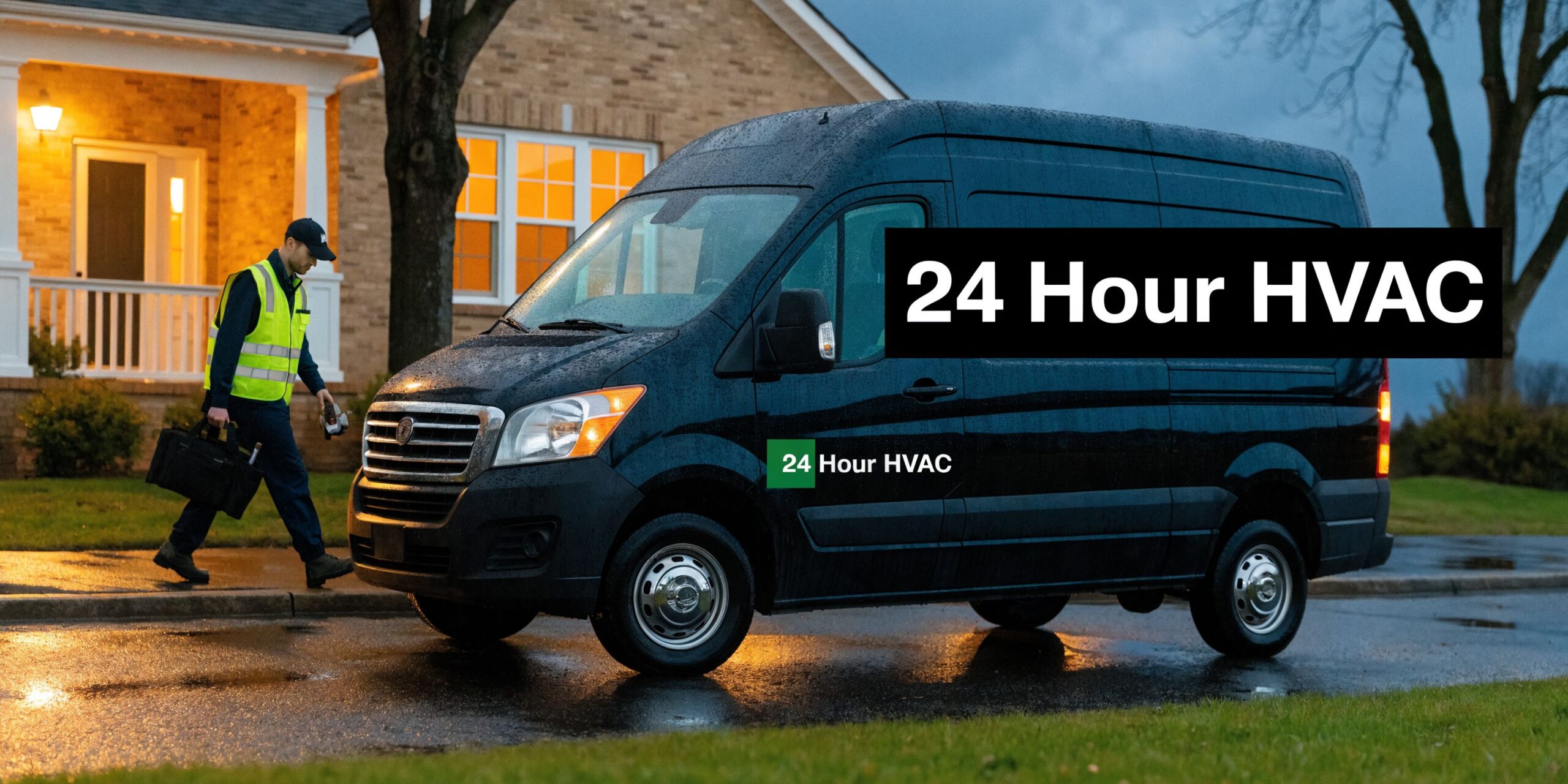
A true 24-hour HVAC service means someone can respond outside normal business hours for urgent heating or cooling failures. That includes nights, weekends, and holidays, when comfort problems can turn into safety problems.
That matters because HVAC systems work hardest when you need them most. In Utah, that usually means a furnace running through a cold snap or an AC pushing all day through dry summer heat. Motors get hot. Capacitors weaken. Connections loosen. Breakers trip. A small issue that stayed hidden during mild weather often shows itself after hours.
Why breakdowns happen at night
Most homeowners do not discover a heating or cooling failure while they are busy during the day. They notice it when they get home, when the house feels wrong, or when the system should have kicked on and did not.
In fact, 62% of customer calls to HVAC contractors happen outside regular business hours, with emergencies peaking between 6 PM and 10 PM, according to this HVAC call pattern analysis.
That lines up with what electricians and service techs see all the time. People walk in, the house is cold, the thermostat is calling, and nothing happens. Or the AC is blowing warm air after a full day of heavy use.
What 24-hour service solves
A good emergency response is not just about arriving late at night. It is about doing the right kind of diagnosis under pressure.
A proper after-hours call should help you answer three questions fast:
Is this a safety issue
Burning smells, buzzing, repeated breaker trips, or signs of overheating need immediate attention.Is the system completely down
No airflow, no outdoor unit activity, or no response from the thermostat usually means more than a comfort issue.Is the cause mechanical or electrical
That distinction matters. Replacing HVAC parts will not solve a bad breaker connection, failed disconnect, loose conductor, or overloaded panel.
Practical takeaway: If your system stops working after hours, treat it like a diagnosis problem first, not a part-swapping problem.
What does not work
Waiting until morning can be reasonable for mild discomfort. It is not a great plan if the home is getting dangerously cold, the system is tripping power, or you smell something hot.
What also does not work is assuming every furnace or AC failure belongs to an HVAC-only repair path. Sometimes the equipment is fine. The power feeding it is not.
For stressed homeowners, the value of 24-hour service is simple. You get an answer while the problem is active, not after it has cooled off, reset itself, or caused more damage.
Emergency Troubleshooting You Can Safely Do Yourself
Before you call anyone, there are a few checks that are safe for most homeowners. These steps will not fix every failure, but they can rule out simple problems and help you explain the symptoms clearly.
Start with the thermostat and airflow
Check the thermostat first. Make sure it is set to the right mode, the setpoint is correct, and the screen is on. If the display is blank, that can point to a power issue, a dead battery, or a problem at the furnace control side.
Then check the filter. A badly clogged filter can restrict airflow enough to create shutdowns, odd cycling, or poor heating and cooling. If the filter is packed with dust, replace it and give the system a few minutes.
Also look at vents and returns:
Open blocked supply vents
Closed vents can create pressure and uneven comfort.Clear the return grille
Furniture, boxes, or rugs over a return make the system work harder.Listen for the startup sequence
A click, a hum, then silence tells a different story than total silence.
Check the breaker, but do not keep resetting it
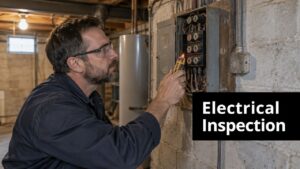
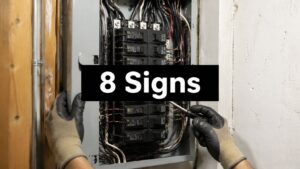
Go to the electrical panel and see whether the HVAC-related breaker has tripped. You may have one for the furnace or air handler and another for the outdoor AC unit.
Reset it once, firmly. If it trips again, stop there.
Repeated resets are a mistake. Breakers trip for a reason. Forcing them back on can turn a repair call into a safety issue.
If you want help spotting the difference between a minor electrical nuisance and something more serious, this guide on residential electrical troubleshooting is useful.
Look for obvious icing or water issues
If you have central AC and see ice on refrigerant lines or around the indoor coil area, turn cooling off and switch the fan to ON if your thermostat allows it. That can help thaw the system.
For a furnace or air handler, look for water around the unit. A clogged condensate line or overflow switch can shut a system down.
Tip: If the system smells burnt, makes crackling sounds, or trips power more than once, stop troubleshooting and leave it off.
DIY checks vs when to call a professional
| Symptom | Potential DIY Check | Call a Pro Immediately If… |
|---|---|---|
| Thermostat blank | Replace batteries, confirm settings, check if the furnace switch is on | The display stays dead and breakers or nearby outlets show power problems |
| No heating or cooling | Check the filter, verify mode and setpoint, inspect vents | The unit will not start, hums without running, or shuts off right away |
| Breaker tripped | Reset once | It trips again, panel feels warm, or you smell burning |
| Weak airflow | Replace dirty filter, open closed vents, clear returns | Airflow stays poor, the unit ices up, or the blower never starts |
| Outdoor unit not running | Confirm thermostat is calling for cooling and check breaker | You hear buzzing, see damaged wiring, or the disconnect appears scorched |
| Water around equipment | Clear visible drain blockage only if accessible and safe | Water returns quickly or there are signs of electrical exposure |
Know your stopping point
Safe DIY means observation and simple resets. It does not mean opening service panels, testing live voltage, replacing capacitors, or touching disconnects.
Knowing when to stop is the fastest way to avoid a bigger repair. If your checks do not solve it quickly, the next step is diagnosis, not guesswork.
The Unseen Culprit Why Your HVAC Problem Might Be Electrical
A lot of homeowners assume heating and cooling failures are always mechanical. Compressor, blower, refrigerant, flame sensor. Sometimes that is true. Sometimes the core problem starts in the electrical system that feeds and controls the equipment.
Approximately 25-30% of HVAC emergency calls stem from electrical faults, and wiring or electrical component issues appear in 28% of winter breakdowns, according to this emergency HVAC repair analysis.
That is the part many generic HVAC articles miss.

What electrical HVAC failures look like
Electrical faults can mimic mechanical failures. The thermostat calls for heat, but the furnace never starts. The AC clicks once and goes quiet. The breaker resets, then trips again. The fan runs but the outdoor equipment does not.
Common electrical roots include:
Tripped or weak breakers
A breaker may trip because of a short, motor problem, or overloaded circuit.Loose or damaged wiring
Connections at the disconnect, air handler, condenser, or panel can overheat or fail intermittently.Capacitor or contactor problems
These are electrical components, even though many homeowners think of them as “HVAC parts.”Control voltage issues
Bad thermostat wiring, failed low-voltage components, or damaged boards can stop a healthy system from running.
Signs the problem may be electrical first
Certain symptoms push the diagnosis toward electrical trouble before anyone starts talking about refrigerant or airflow.
Look closely if you notice:
- A burning or hot-plastic smell
- Buzzing near the panel, disconnect, or unit
- Intermittent operation
- A thermostat that loses power
- Lights dimming when the system tries to start
- A breaker that trips after reset
Those are not symptoms to ignore. They point to power delivery, startup load, or control issues.
Key point: If the system is not getting clean, stable power, even a good HVAC unit will act broken.
Why the first call matters
If the issue is electrical, an HVAC-only diagnosis can stall out. A tech may identify that the unit is not energizing correctly but still need an electrician to solve the source problem.
That is why panel condition, breaker behavior, disconnects, and branch circuit health matter so much. If you are dealing with repeated trips, suspect wiring trouble, or panel-related HVAC issues, this page on breakers and panels services covers the kinds of electrical faults that often hide behind “HVAC emergencies.”
The big takeaway is simple. Heating and cooling equipment is mechanical and electrical. If you only look at one side, you can miss the actual failure.
What to Expect During an After-Hours Service Visit
The best emergency visits feel calm and methodical. Not rushed. Not vague. A skilled technician should work through safety, diagnosis, explanation, and only then repair options.
First steps at the door
A proper visit usually starts with a quick conversation. What happened first? Did the system stop completely, short cycle, trip a breaker, or make a noise before quitting?
Then comes a safety check. The tech looks for overheated conductors, scorched disconnects, water near electrical components, or obvious signs of motor stress. If there is a risk of damage or fire, they isolate the equipment before doing anything else.
That is good practice. It prevents a second failure during diagnosis.
What the technician tests
During a 24-hour emergency visit, a technician may use a clamp multimeter to check voltage and amperage, test capacitors, and measure temperature split to confirm heat transfer. Capacitors account for up to 30% of summer breakdowns, and these diagnostic steps are benchmarked to support a first-visit resolution rate above 85%, according to this breakdown of 24-hour HVAC service diagnostics.
Let me explain what that means in plain English.
Clamp multimeter
This tool checks whether the equipment is receiving the right power and how much current components are drawing.Capacitor testing
Capacitors help motors start and run. A weak one can cause humming, hard starts, or a system that quits under load.Temperature split measurement
This helps confirm whether the system is moving heat the way it should.
What a good explanation sounds like
You should hear something specific, not just “it’s bad.”
A solid explanation might sound like this:
- The unit is getting power, but the blower motor is drawing abnormal amperage.
- The capacitor tested weak, which explains the delayed start.
- The breaker tripped because the motor struggled to start repeatedly.
Or:
- The thermostat is calling properly.
- The outdoor unit is not energizing because the disconnect or branch circuit has a power issue.
- The HVAC equipment may be fine, but the electrical feed needs repair.
Practical tip: Ask what was tested, what the readings showed, and whether the problem is in the equipment or in the electrical supply to it.
What repair options usually look like
Some repairs happen on the spot. Others should not.
Common after-hours fixes may include replacing a failed capacitor, tightening a bad connection, restoring a control circuit, or addressing an obvious electrical fault if the service provider is qualified to do so. More complex failures may require parts ordering, daylight follow-up, or a second trade.
The right emergency response is not “fix everything no matter what.” It is making the system safe, restoring operation when possible, and telling you clearly what still needs attention.
Understanding 24-Hour Service Pricing and Response Times
Emergency service costs more. That is normal. The key issue is whether the company explains the cost clearly before work starts.
After-hours premiums average 1.5 to 2 times the daytime rate, and pricing surprises are tied to 35% customer dissatisfaction, according to this pricing discussion on emergency HVAC service.
That does not mean every late-night repair is overpriced. It means standby labor, dispatch logistics, stocked vehicles, and limited-hour availability all carry a real cost.
Why the rate is higher
The premium usually covers the fact that someone had to be available when most businesses are closed. It also reflects the urgency of the call. A midnight no-heat situation is not scheduled maintenance.
Common line items may include:
Dispatch or diagnostic charge
The cost to send a qualified person out and determine the fault.After-hours labor premium
The added rate for evening, weekend, or holiday work.Parts, if needed
Straightforward component replacements are different from deeper repair work.
What transparent pricing looks like
You should expect a plain-language breakdown before approval, especially once the diagnosis is complete.
A trustworthy emergency estimate should answer:
| Question | What you should hear |
|---|---|
| What am I paying for right now? | The visit, diagnosis, and any immediate safety steps |
| What is optional vs necessary? | Temporary restore, full repair, or follow-up work |
| Is this an electrical problem or equipment problem? | A clear distinction between supply-side and unit-side issues |
| Can this be safely deferred? | Honest advice if morning service makes more sense |
If you cannot get straight answers, that is a red flag.
Response time is about readiness, not promises
Most homeowners want a number. How long until someone gets here?
The honest answer is that response time depends on weather, call volume, distance, and whether the issue is a life-safety concern. A company that promises an unrealistically precise arrival time before understanding the problem is often overpromising.
A well-stocked vehicle and a technician who can diagnose both equipment behavior and electrical supply issues often save more time than the company that answers first.
Key takeaway: The cheapest after-hours call is not always the least expensive outcome. A correct diagnosis at the first visit can prevent repeat dispatches, further damage, and a longer outage.
How to think about value
Emergency pricing makes more sense when you compare it to the cost of delay.
If a breaker keeps tripping, if a panel connection is overheating, or if the system is down during severe weather, waiting may create a bigger repair, a safety hazard, or a miserable night. In those cases, paying more for competent after-hours service is often the practical choice.
How to Choose a Trustworthy Provider in Northern Utah
When the house is cold or the AC is dead, homeowners often just want someone, anyone, to show up. That urgency is real. It is also when bad decisions happen.
A trustworthy provider should be able to diagnose safely, explain clearly, and know when the issue crosses from HVAC equipment into the electrical system supporting it.
What to verify before you approve work
Start with the basics. These are not optional.
Proper licensing and insurance
You want a company that is qualified for the work it performs and accountable if something goes wrong.Real local presence
A provider serving Weber, Davis, and Salt Lake counties should know the area, the housing stock, and the common service conditions.Clear communication
You should understand what failed, what is safe to do tonight, and what can wait.
Then get more specific.
Questions that separate solid providers from weak ones
Ask direct questions and listen to how they answer.
- Can you diagnose both HVAC-related electrical faults and equipment-side issues?
- Do your technicians arrive with common test tools and stocked materials?
- Will you explain whether the fault is in the unit, thermostat circuit, disconnect, breaker, or panel?
- Do you stand behind emergency repairs with a workmanship warranty?
For HOAs, property managers, and commercial owners, stocked emergency vehicles and warranty-backed repairs matter even more. This commercial HVAC emergency service analysis notes that predictive maintenance can cut unplanned downtime by 40-50%, and that after-hours premiums of 20-50% can still deliver strong ROI by avoiding disruptions that may exceed $1,000 per hour.
What usually works best
The most reliable providers do a few things consistently:
- They do not guess. They test.
- They do not hide pricing. They explain it.
- They do not force a one-trade answer onto a two-trade problem. They recognize when HVAC and electrical overlap.
- They focus on safety first. Restoring service matters, but not at the expense of a hidden hazard.
Good emergency service is boring in the best way. It is organized, documented, and calm.
If a company talks in circles, avoids specifics, or dismisses electrical symptoms like breaker trips and burning smells, keep looking. Those details are often the whole case.
Get Your Heat or AC Back On Tonight
If your system failed after hours, start with the safe checks. Verify the thermostat, filter, and breaker once. If the system still will not run, keeps tripping power, smells hot, or shows signs of an electrical issue, stop there.
A lot of emergency heating and cooling problems are not purely mechanical. They involve breakers, wiring, disconnects, controls, or panel-related faults that need the right diagnosis.
For urgent electrical-HVAC crossover issues, use a provider that can identify the source problem quickly and make the system safe before the night gets worse. If you want to review service details first, you can also use this contact page.
If you need fast help from Black Rhino Electric, call 385-396-7048 or request a free quote.