
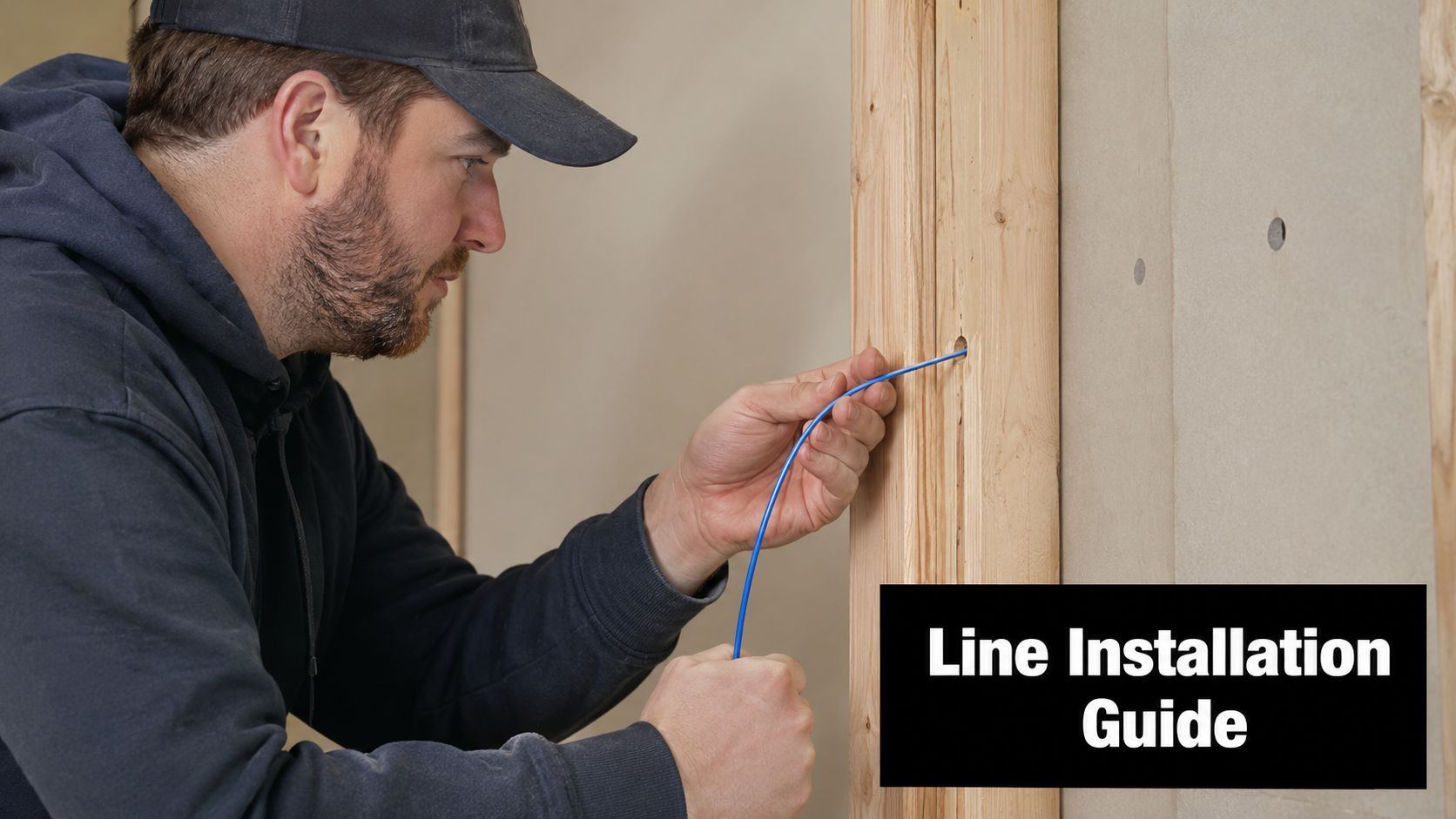
In the 20th century, U.S. telephone access grew from 72 telephones per 1,000 people in 1907 to 91 in 1912, and by 1948 the country had connected its 30 millionth phone. By the time many Northern Utah homes were built or remodeled, telephone line installation had already shifted from a novelty to part of the building's low-voltage backbone.
For a homeowner in Weber, Davis, or Salt Lake County, that still matters. The job is usually a structured-cabling and demarcation point problem first, and a jack problem second.
What Telephone Line Installation Really Means Today
A lot of people picture a single wall jack, a beige handset, and one wire going somewhere behind the drywall. That picture is too small for most homes and small businesses in Northern Utah. A real telephone line installation usually starts where service enters the property, then runs through pathways, terminations, and sometimes more than one room or outbuilding before it reaches the final jack.
That's why the first question isn't usually, “Where should the phone go?” It's, “What already exists between the network and the room where the line needs to work?” Older homes in Ogden, Roy, Kaysville, and Bountiful often have legacy copper routes, patchwork splices, or outdated inside wiring. Newer homes may have cleaner pathways, but they can still need a better low-voltage layout for alarm panels, fax lines, VoIP adapters, or intercoms.
A useful way to think about the job is this, the carrier side brings service to the property, and the customer side distributes it inside the building. Those are different problems, and they often need different fixes. Bell's homeowner guidance emphasizes starting at the demarcation point, keeping separation from electrical wiring, avoiding damp areas, and leaving slack at both ends, which is a strong reminder that the property-side route matters as much as the jack itself (Bell homeowner guide).
For businesses, the question is even broader. A small office might still need voice service for a fax machine, an alarm panel, or a backup line, but the right solution may be part of a larger low-voltage layout rather than a single new circuit. A helpful comparison of traditional landline and VoIP planning is covered in the Nutmeg Technologies phone guide, especially for owners deciding whether to keep copper service, shift to network-based voice, or do a full retrofit.
Practical rule: if the route, not the jack, is the hard part, the job is already bigger than a quick DIY repair.
Telephone Wiring Types From POTS to Cat6
A technician opening up an older home office may find a single voice pair, a patched-in jack, or a cable that was never planned as part of a larger system. That matters, because telephone line installation is really a structured-cabling choice. The cable has to match the service, the route, and the way the property-side wiring is organized, not just the wall plate where the phone plugs in.
POTS copper is the old plain voice line many people still picture first. It can still fit a legacy voice circuit that has to stay in place, especially where the goal is to preserve an existing landline path rather than redesign the building's communications layout. Its limitation is straightforward, it is built for voice, so it gives little room for broader low-voltage planning.
Cat3 is the classic voice-grade structured cable. It suits simple residential phone runs because it is intended for low-voltage voice work and basic distribution. Cat5e and Cat6 give more flexibility because they are commonly used for data and can also carry voice lines when the property owner wants one wiring path that can support more than a single handset circuit. For building owners comparing a phone-only setup with a fuller communications plan, the article on wiring for internet in UK offices shows why organized cable planning is easier to maintain than piecemeal additions.
The conductor details matter as well. For residential and light-commercial voice circuits, telephone wire is typically 22 or 24 AWG, used in pairs, and the two conductors in each pair should stay twisted together to help preserve signal quality. That is why voice-circuit guidance stresses the twist in each pair and the need to keep the line free from avoidable noise pickup. When a cable run passes near other building systems, that small detail helps the line behave more like a controlled pathway and less like an exposed antenna.
| Cable Type | Typical Use | Key Strength | Main Limitation |
|---|---|---|---|
| POTS copper | Legacy voice service | Familiar, direct voice support | Least flexible for future upgrades |
| Cat3 | Voice-grade runs | Simple and common for phone lines | Limited compared with newer structured cable |
| Cat5e | Voice plus data-capable pathways | Flexible for mixed low-voltage planning | Can be overkill for a single simple run |
| Cat6 | More advanced structured cabling | Strong choice for future-ready low-voltage layouts | Not necessary for every basic phone job |
Good planning starts with the building, not the handset. If the wiring path can support future low-voltage needs, the installation is usually easier to maintain later.
That is why a homeowner in Salt Lake City converting a basement office, or a small business in Layton adding a desk phone and network drop, often gets better long-term value from a broader structured-cabling layout than from a narrow one-line fix. The same planning logic appears in Black Rhino Electric's data cable installation Northern Utah resource, which treats low-voltage routing as a property-wide design choice rather than a single outlet decision.
Demarcation Points and the Customer-Side Wiring Path
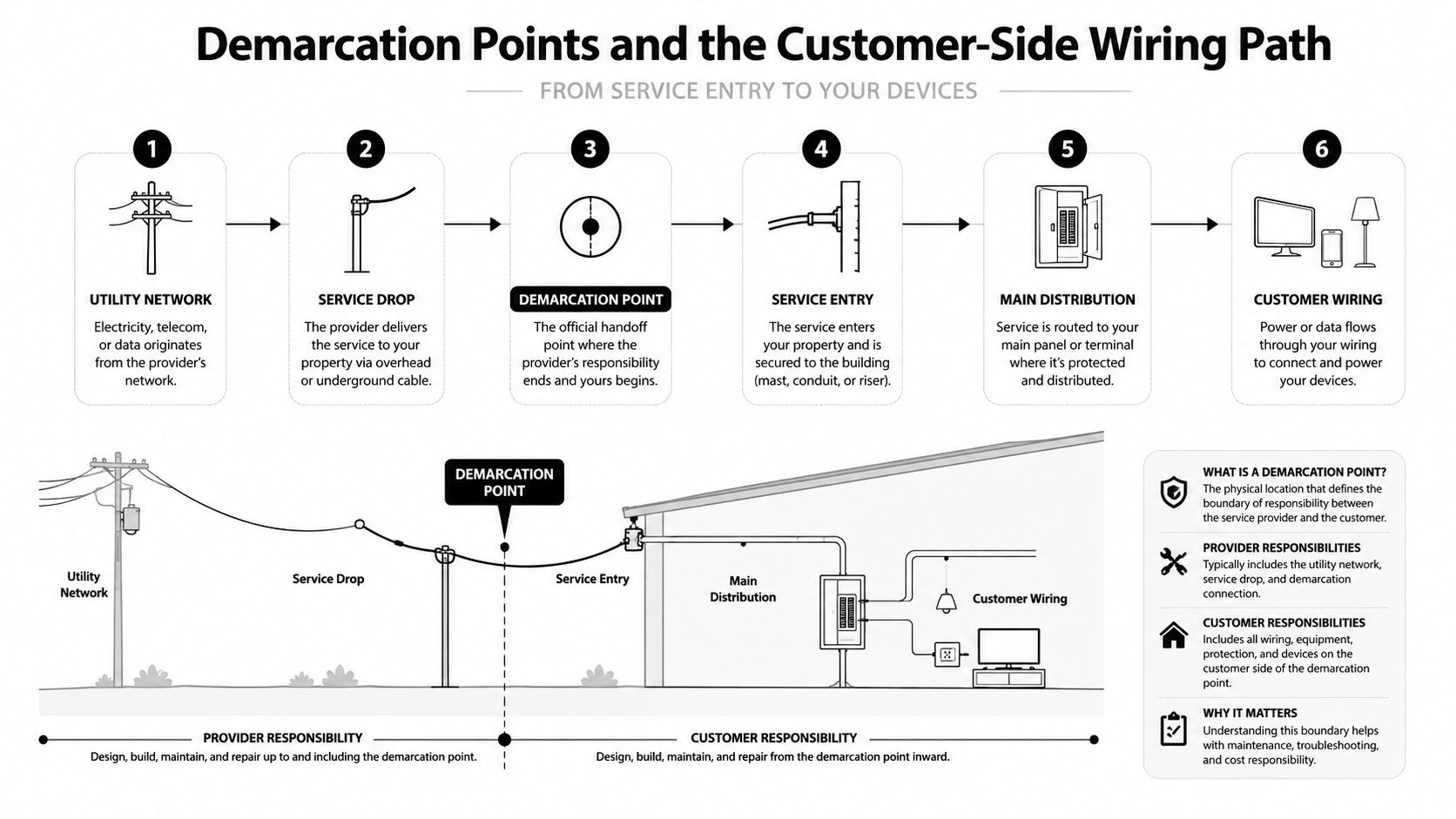
A telephone line that works well usually follows a simple logic, but the physical route can get complicated fast. The service arrives at the demarcation point, then the customer-side wiring carries it to the rooms, devices, and panels that need it. On a clean install, that path is organized, protected, and easy to trace. On a messy one, it's often buried in a tangle of old splices, unknown cable types, and unsupported runs.
The customer-side path is where a licensed electrician or low-voltage pro checks for problems that homeowners often can't see. That includes whether the cable has a protected route, whether it stays separated from power wiring, and whether the line has enough slack at the termination points to allow service and future maintenance. Telephone-service support guidance also says each jack should have a separate run back to the main terminal location, the cable should follow supported pathways like joists, studs, ceilings, and baseboards, and at least 30 cm, or 12 inches, of extra cable should be left at both ends (Telebec support).
That physical path is also where code and reliability overlap. The provided National Electrical Code summary says telephone lines are generally required to be installed in conduit, with exceptions in Article 800.44 for certain exposed runs, but exposed communication wiring still has to be protected from physical damage by a listed cable tray system or another approved method (NEC summary). For a homeowner, that means the route itself can drive the outcome more than the wall jack ever will.
What matters most is continuity plus protection. If the cable is technically connected but poorly routed, the system can still fail from noise, damage, or serviceability issues.
For Northern Utah properties, this is especially important in garages, basements, remodels, and tenant spaces where wall access may be partially finished. A service visit usually focuses on whether the inside path is clean enough to support reliable voice or low-voltage service, not just whether a jack looks new. For a broader look at how low-voltage paths fit into a property, see powering your smart home safely.
Costs, Timelines, and What Shapes Your Specific Quote
Telephone work often gets priced like a simple add-on, but the quote usually depends on the route, not the label on the box. A short run in an open basement is a very different job from a line that has to pass through finished walls, old framing, tight crawl spaces, or an exterior path that needs conduit or trenching. The more the installation depends on access, the more the labor plan matters.
Three factors tend to shape the quote most:
- Number of drops: One desk jack is simpler than several rooms, a basement office, or a commercial suite with multiple endpoints.
- Pathway complexity: Open framing is easier than fishing cable through finished drywall, plaster, or crowded utility chases.
- Property-side infrastructure: New conduit, pull string, exterior routing, or buried placement adds coordination and labor.
The buried-line side of the job is especially important because reliability depends on more than just making a connection. The referenced outside-plant guidance calls for filled cable, moisture resistance, and direct-burial depth of 0.8 m in the cited specification, which is a good reminder that shallow or poorly protected routing increases maintenance risk (JICA outside-plant specification). That kind of work is not the same as adding a wall jack inside a finished room.
Timelines follow the same pattern. A single additional jack in an accessible basement can be quick once the pathway is clear. A remodel that needs new structured wiring, demarcation changes, or several room drops takes longer because each endpoint has to be tested and dressed correctly. For owners trying to compare options, the cleanest next step is to get an electrical estimate based on the actual building, not a generic phone-line assumption.
A good quote should explain the path. If it doesn't mention access, termination points, or route complexity, it probably isn't accounting for the real job.
For homes and small businesses in Weber, Davis, and Salt Lake counties, that transparency matters. A property in Marriott-Slaterville with open access and one endpoint won't resemble a finished office in Salt Lake City that needs multiple low-voltage drops, and the quote should reflect that difference.
DIY vs Hiring a Licensed Electrician
A homeowner can safely do some limited observation work around phone service. Checking whether a jack is dead, noting which room loses service, and documenting when the noise starts are all useful. Testing a handset at a known good jack is also fair game, because it helps separate a device issue from a wiring issue.
What shouldn't happen is guesswork inside live low-voltage pathways, especially when the wiring is tied to a structured cabling bundle, a network termination point, an alarm panel, or a route that shares space with electrical systems. A clean voice circuit depends on correct pair handling, proper separation, and good termination practice. That's why a simple-looking “phone jack” problem can turn into a structured wiring job very quickly.
For remodels and older homes, replacing the old copper run isn't always the smartest answer. In many cases, a low-voltage retrofit is more practical because it gives room for future voice, data, or alarm needs without forcing the property into another fragile one-off run. For a contractor perspective on that wider low-voltage scope, the visit Recepta.ai electrical page is a useful reference point for how the trade language often spans multiple wiring needs.
Black Rhino Electric handles this kind of work as part of its broader low-voltage and electrical service mix, and homeowners or property managers can use a licensed electrician in Northern Utah when the problem is clearly bigger than a jack swap.
A simple rule helps:
- Observe at the jack level when the issue is whether one device, one room, or one endpoint is failing.
- Call a pro when the route, termination, or building infrastructure is part of the problem.
- Choose a retrofit when the property needs a future-ready low-voltage layout instead of another short-term fix.
That approach keeps the work in the right lane. It also avoids paying twice, once for the quick patch and again for the actual wiring upgrade.
Code, Safety, and Warning Signs Worth Watching For
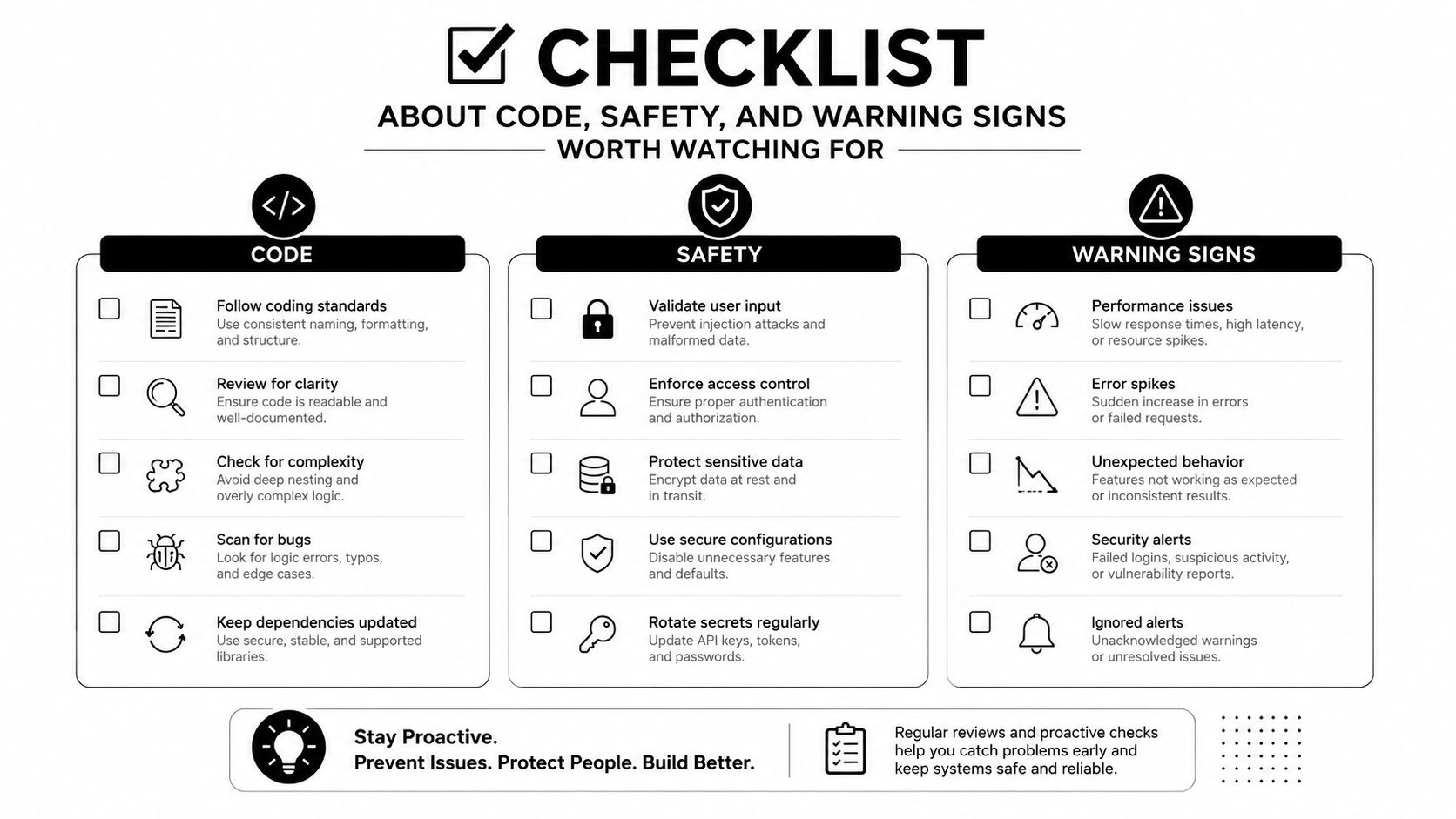
Telephone wiring often looks harmless, which is exactly why problem signs get ignored. A line can still be physically connected and be badly installed, poorly protected, or routed in a way that causes ongoing interference. The safest response is to watch for patterns, not just one-off glitches.
The National Electrical Code summary cited earlier says communication wiring is generally expected in conduit, with exceptions in Article 800.44 for certain exposed runs, but exposed wiring still needs protection from physical damage through a listed cable tray system or another approved method (NEC summary). That means the visible route matters, not just the connection at the end of the cable. If wiring is loose, exposed, or sharing risky pathways, the installation deserves a closer look.
The most useful warning signs are usually practical:
- Intermittent dial tone: This can point to a loose splice, damaged pair, or a termination problem.
- Humming or noise on the line: Often a sign that pair twisting, shielding, or separation has been compromised.
- Only some jacks work: That often means the issue is in the distribution path, not the handset.
- Alarm panel communication drops: That can mean the circuit is marginal even if a phone still appears to work.
Older homes across Ogden, Clearfield, and Salt Lake City often show these symptoms because the wiring has been altered more than once over the years. A licensed electrician checking the system will usually trace the path from the service entry point, verify the cable route, inspect the terminations, and confirm that the inside wiring is physically protected and separated from power where required.
Document the pattern before the visit. Which rooms fail, when the noise happens, and whether the problem affects one device or the whole line can save time during troubleshooting.
That's especially helpful in homes with mixed old and new wiring. The more clearly the symptoms are described, the faster a pro can tell whether the problem sits in the device, the cable, the termination, or the route itself.
Troubleshooting Common Telephone Wiring Problems
A quiet dead jack can be misleading. One room may stop working because the termination is loose, the pair is damaged, or the break sits somewhere between the demarcation point and that outlet. When one jack fails and the others still function, the problem usually lives in that branch run, not in the whole property.
Noise needs a different kind of check. A handset that hums, crackles, or cuts in and out can point to a bad device, but it can also mean the line is picking up interference because the conductors are not kept in proper pair form, the route runs too close to power wiring, or an old splice has begun to corrode. That is why the earlier wiring guidance about twisted pairs and conductor gauge still matters. It explains why a line may seem fine at first and then fall apart when distance or interference starts to affect the signal.
A simple way to sort the fault is this:
- One room only: likely a branch run, jack, or splice issue.
- Several rooms: likely a distribution or main termination issue.
- Noise everywhere: likely a broader line-quality, route, or equipment problem.
Bridge taps, corroded splices, and undersized or tired cable often show up as unstable behavior instead of a clean failure. In older Northern Utah buildings, that can mean the line works some days and fails on others, which makes the problem feel random even when the cause is consistent. A service visit usually starts by tracing the path, testing continuity, and deciding whether the existing wiring still belongs in service or should be replaced with a cleaner low-voltage retrofit.
A licensed electrician who handles troubleshooting home electrical problems can be a good fit when the fault may overlap with low-voltage circuits, panel concerns, or a larger wiring repair.
The most useful preparation is simple, even for a business office or rental unit:
- Write down affected rooms: This narrows the run.
- Note timing and triggers: That helps separate a steady fault from an intermittent one.
- List any recent changes: New equipment, remodel work, or moved cables can matter.
Once that is documented, the repair conversation gets much easier. A clear symptom pattern helps a pro decide whether the issue sits in the device, the cable, the termination, or the route itself. That is also where a low-voltage repair or retrofit often makes more sense than trying to force an aging copper run back into reliable service.
Black Rhino Electric helps Northern Utah homeowners, property managers, and businesses sort out telephone line installation as part of a broader low-voltage and electrical plan, from demarcation issues and inside wiring to troubleshooting and upgrades. For a service visit in Weber, Davis, or Salt Lake County, call 385-396-7048 or use Black Rhino Electric to request a quote and get the wiring path looked at by a licensed local electrician.