The heat quits on a cold Northern Utah morning, or the AC starts blowing warm air when the house is already miserable. That's usually when people want answers fast, not a lecture. Consider this HVAC troubleshooting cheat sheet your first-look guide for safe checks, common failure points, and the moments when the problem is really electrical.
1. Thermostat Testing and Calibration
You get a “no heat” call on a January morning in Northern Utah, and the furnace gets blamed before anyone checks the thermostat. I've seen that more times than I can count. A bad thermostat call can look like a failed furnace board, a bad condenser contactor, or a dead system, even when the cause is a wrong setting, weak batteries, poor placement, or a low-voltage control issue.
Start with the thermostat because it decides whether the rest of the system even gets told to run.
Set it to Heat or Cool, then move the setpoint far enough to force a call. Give it a minute. If nothing starts, the next question is whether the thermostat is reading the room correctly and sending the signal it should. The U.S. Department of Energy also notes that thermostat placement affects performance, especially when the stat sits in direct sun or near drafts, doors, or heat-producing appliances, in its guidance on thermostat operation and placement.

What to check first
- Mode and fan setting: Confirm the thermostat is calling for the function you want. Heat, Cool, or Auto matters. Fan set to On can also confuse the diagnosis because air may move even when heating or cooling is not active.
- Displayed temperature: Compare the thermostat reading with a separate thermometer placed nearby for a bit in the same area.
- Placement issues: A thermostat near a sunny window, supply register, exterior door, hallway draft, or kitchen heat source can satisfy too early or run too long.
- Battery condition: Smart and wireless thermostats can act erratic before the display goes blank.
- Program and schedule: A schedule override, setback, or app setting causes a lot of false “system failure” complaints.
A common call goes like this. The house won't cool below the mid-70s, the equipment runs, and everyone assumes the unit is undersized or low on refrigerant. Then you find the thermostat on a warm interior wall near a return path or afternoon sun, and it never had a fair chance to read the room correctly.
That bad reading throws off everything downstream.
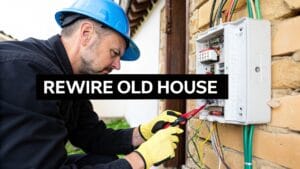
If the thermostat is hardwired and the symptoms point to control trouble, check the low-voltage side before condemning equipment. Loose terminations, damaged control wire, and failing sub-bases are electrical faults as much as HVAC faults. On commercial spaces, tenant buildouts, and mixed-use buildings, that often turns into a commercial electrical repair support job because the issue lives in the control wiring, transformer circuit, or shared electrical path.
For homeowners trying to sort out whether the thermostat problem is a power problem upstream, this primer on how to check circuit breakers helps rule out one of the easiest misses before the diagnosis goes further.
2. Power Supply and Circuit Breaker Verification
No power means no heat, no cooling, no blower, no compressor. Simple. But people miss this one all the time because a breaker can look normal at a glance and still be tripped.
Here's the thing. HVAC problems often get blamed on refrigerant, motors, or the thermostat when the issue is upstream power. The disconnect is off, the breaker half-tripped, a fuse opened, or the unit isn't getting proper voltage under load.

The fast electrical triage
- Check the thermostat first: If there's no call for heating or cooling, the rest of the system may sit idle exactly as designed.
- Inspect the breaker properly: Flip it fully off, then back on once. If it trips again, stop there.
- Look at the disconnect: Outdoor condensers usually have a nearby disconnect that can be left off after service.
- Listen and observe: If the indoor unit runs but the outdoor unit doesn't, or vice versa, that narrows the fault path.
- Never upsize a breaker: Swapping in a larger breaker to “solve” nuisance tripping is unsafe and can damage equipment or wiring.
If you want a homeowner-level primer on breaker symptoms, this guide on how to check circuit breakers is a decent starting point. After that, the actual work is verifying voltage with a meter, not just eyeballing the panel.
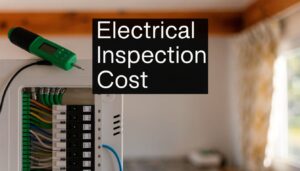
A lot of HVAC cheat sheets stay at the filter-and-thermostat level. The gap is electrical-first troubleshooting. Technical guides stress confirming line voltage, control voltage, safety circuits, capacitor values, motor current, and possible fuse or board failure before replacing parts, as explained in this general guide to HVAC troubleshooting.
If the breaker keeps tripping, don't keep resetting it. That's where a licensed electrician needs to check the circuit, panel condition, and load path. For that side of the problem, breaker and panel troubleshooting is the right next step.
3. Air Filter Inspection and Replacement Schedule
Here's the thing. A lot of HVAC complaints start with a filter that should have been changed weeks ago. The homeowner notices weak airflow, hot and cold spots, longer run times, or an AC that starts acting strange, and the underlying problem is sitting in a return grille or filter rack packed with dust.
Filter changes are basic maintenance, but they affect more than comfort. A loaded filter cuts airflow across the furnace or evaporator coil. That can lead to limit trips in heating, icing in cooling, and blower motors working harder than they should. The U.S. Department of Energy's air filter guidance recommends checking the filter monthly and replacing it when it's dirty.
In Northern Utah, I'd put extra attention on filters during summer smoke, winter inversion, pet season, and any remodeling project. Drywall dust and pet hair can plug a filter fast. A system that looked fine a month ago can start showing airflow symptoms in a hurry.
What a bad filter looks like on an actual service call
A homeowner says the furnace “runs, but the house never really catches up.” Some rooms get air. Others barely move a napkin over the register. You pull the filter and it's bowed, gray, and loaded with dust clear through the media.
That restriction can make a decent system look like it has a bigger problem.
Use this schedule as a working rule, then adjust for the house:
- Check monthly: Even if you do not replace it every month, put eyes on it.
- Replace sooner in high-dust homes: Pets, sheds, remodeling, wildfire smoke, and heavy runtime shorten filter life.
- Match the exact size: A loose or wrong-size filter lets dirt bypass the media, and a jammed fit can collapse the filter.
- Be careful with high-MERV upgrades: Better filtration is good, but a more restrictive filter can expose weak duct design, an undersized return, or a marginal blower setup.
That last point matters. Homeowners often swap in the most restrictive filter on the shelf, expecting cleaner air and better performance. Sometimes they get less airflow, more noise, and new comfort complaints. The filter was not the only issue. It revealed one.
A cheap filter change can prevent a service call that turns into a blower, coil, or control problem.
Do a real inspection, not a two-second glance. If the media is matted over, discolored across the full face, or pulling inward from airflow, replace it. If the filter keeps getting dirty too fast, that's a clue. An HVAC tech may need to check static pressure and duct sizing, and if the blower is overheating, drawing odd amperage, or tripping controls, the electrical side may need attention too.
4. Condenser and Evaporator Coil Cleanliness Assessment
Dirty coils change how the whole system behaves. The outdoor condenser can't shed heat well if it's packed with cottonwood fluff, pollen, or dust. The indoor evaporator coil can't move air and heat properly if it's matted over or icing.
A lot of homeowners can safely do a visual check. Not a deep teardown. Not poking around live parts. Just a smart pre-check before you spend time chasing the wrong problem.

Signs the coils may be the real problem
- Outdoor unit buried in debris: Leaves, grass clippings, dryer lint, and windblown dust choke condenser airflow.
- Warm air or weak cooling: The unit may run, but heat exchange is poor.
- Frost or ice on refrigerant lines: That can point to airflow issues, coil contamination, or refrigerant-side trouble.
- Long run times: The system keeps running because it can't transfer heat efficiently.
A typical Northern Utah scenario is an AC that worked fine early in the season and then fades as summer grime builds. The homeowner thinks the refrigerant is low because the cooling feels weak. Sometimes the coil is filthy and the system is getting hammered by poor airflow around the cabinet.
What works and what doesn't
- Works: Keeping vegetation and debris back from the outdoor unit.
- Works: Scheduling coil inspection before peak weather.
- Doesn't work: Hosing a unit aggressively without understanding where the electrical sections are.
- Doesn't work: Ignoring indoor coil cleanliness because the outdoor unit “looks okay.”
Clean coils don't fix every HVAC problem. But dirty coils can absolutely imitate more serious failures.
If the refrigerant line is frosting, the system keeps tripping out, or the indoor coil is inaccessible, that's no longer a homeowner chore. At that point, you need proper HVAC service, because coil condition ties directly into airflow and refrigerant performance.
5. Ductwork Inspection for Leaks, Blockages, and Insulation
Some “bad HVAC systems” are bad air-delivery systems. The furnace or AC can be doing its job, but the air never reaches the rooms the way it should.
This is one of the most overlooked parts of any hvac troubleshooting cheat sheet. Homeowners notice one bedroom that's always colder, a top floor that won't balance out, or a system that seems to run forever. They start suspecting the equipment. Meanwhile, the duct has a disconnected branch, a crushed flex run, or a major leak in the attic or crawlspace.
Clues that point to duct trouble
- One room is always off: That usually means distribution, not just equipment.
- Weak airflow from specific registers: The blower may be fine while the duct run is not.
- Whistling, rattling, or thumping: Loose sections and bad connections often announce themselves.
- Big comfort difference between floors: Leakage and insulation problems show up hard in attics and knee walls.
A real-world version is a home where the living room feels okay, but a back bedroom never catches up in winter. The homeowner replaces the thermostat, changes filters, and still has the same complaint. Then someone finds a return or supply issue in the attic and the mystery disappears.
What to look for if you have access
- Loose joints: Check visible duct connections near the air handler or furnace.
- Sagging flex duct: Airflow drops fast when flex is kinked or collapsed.
- Missing insulation: Uninsulated runs in unconditioned spaces lose heating and cooling before the air reaches the room.
- Debris or obstruction: Remodel dust, pests, or damaged duct sections can choke a branch line.
Let me explain the trade-off. Homeowners can inspect visible duct sections and note comfort patterns room by room. But sealing, resizing, and pressure-related diagnostics are usually better handled by a pro, because guessing at duct fixes can waste money fast.
6. Refrigerant Level and System Pressure Diagnostics
Here's the thing. A lot of homeowners hear "low refrigerant" and assume the fix is simple. In the field, that guess wastes time and money fast.
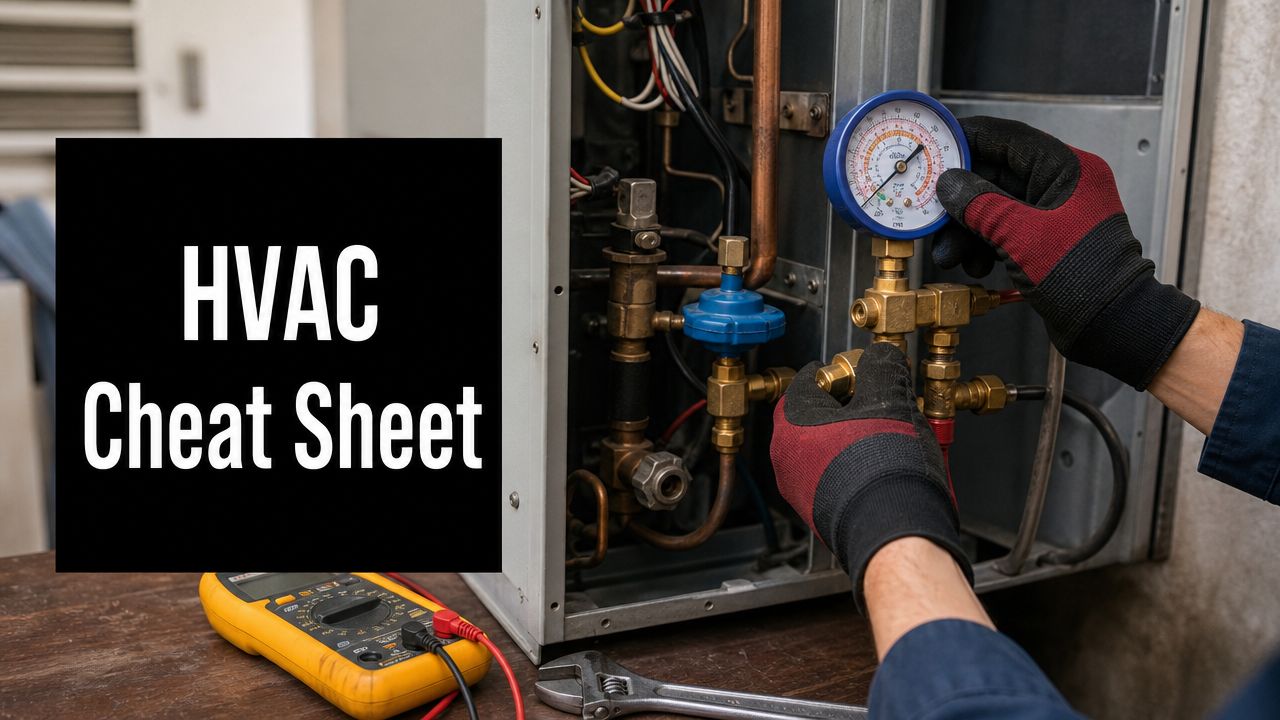
Poor cooling can come from a low charge, but it can also come from bad airflow, a metering problem, a weak blower, a failing compressor, or an electrical issue that keeps the outdoor unit from doing its job. By the time you reach this point in a troubleshooting sequence, the easy checks should already be done. What's left calls for gauges, temperature readings, and a technician who knows how to interpret them.
Refrigerant work is also regulated. Opening the sealed system, adding charge, or recovering refrigerant is not a homeowner job.
What the symptoms usually point to
Some signs do push the diagnosis toward the refrigerant side of the system:
- The system runs a long time but cooling stays weak
- The suction line frosts up or the indoor coil freezes
- The compressor short cycles or struggles to stay running
- Supply air never gets as cool as it should after other basic checks are done
Those clues still need context. An iced coil does not automatically prove low refrigerant. I see frozen systems caused by plugged filters, blower issues, and low evaporator airflow just as often as charge problems.
That's why pressure readings alone are not enough. A solid tech checks pressure, line temperature, indoor and outdoor conditions, superheat or subcooling, and system amperage before calling it. That electrical side matters more than a lot of people realize. If the condenser fan is weak, the contactor is pitted, the capacitor is failing, or voltage is dropping under load, the pressures can look wrong even though refrigerant is not the root problem.
Where an electrician may need to step in
This is one of those spots where HVAC and electrical overlap.
If the compressor is hard starting, tripping the breaker, pulling uneven current, or dropping out because of a control voltage issue, an HVAC tech may identify the symptom while an electrician handles the branch circuit, disconnect, breaker, wiring condition, or voltage problem feeding the equipment. Black Rhino Electric gets called on these jobs when the "refrigerant issue" turns out to include a power problem at the condenser.
A common Northern Utah service call goes like this. The homeowner changed the filter, confirmed the thermostat settings, and cleaned around the outdoor unit. The house still will not cool down by late afternoon, and now the suction line is icing. At that point, guessing is done. The next step is proper pressure and temperature diagnostics, plus electrical verification if compressor operation looks questionable.
One practical tip. Be careful with any contractor who wants to top off refrigerant without talking about leak search, system condition, and electrical performance. Refrigerant does not get used up like gasoline. If the charge is low, there is usually a reason.
7. Furnace Combustion Safety Testing
If you've got a gas or oil furnace, performance and safety go together. A furnace can heat the house and still have a combustion problem that needs attention.
This isn't the glamorous part of HVAC, but it matters more than commonly understood. Ignition, venting, flame quality, and heat exchanger condition all affect whether the system is operating safely.
What deserves immediate attention
- Burning or unusual exhaust-related smells
- Soot, scorch marks, or abnormal burner appearance
- Frequent ignition failures
- Venting blocked by snow, ice, nests, or debris
- Carbon monoxide alarm activity
A typical winter issue in Northern Utah is a vent termination that gets restricted by weather or debris. The furnace may start acting erratic, or the house may develop symptoms that don't feel like a simple heating failure.
Safe homeowner checks
- Keep intake and exhaust paths clear: Walk the outside of the home during snow season and inspect visible terminations.
- Install and test CO alarms: Bedrooms and common areas should be covered.
- Pay attention to change: New smells, delayed ignition, or odd burner behavior shouldn't get shrugged off.
This is one area where “wait and see” is bad thinking. If combustion is questionable, the right move is a qualified HVAC technician with the proper testing equipment. Safety comes first, comfort second.
8. System Cycling Patterns and Compressor or Blower Motor Operation
You hear this one a lot in summer. The thermostat calls, the indoor fan comes on, the outdoor unit hums for a second, then everything shuts back down. A few minutes later, it tries again. That pattern matters because cycling behavior often points to the part of the system that is failing.
Here's the thing. “Not cooling” is a result, not a diagnosis. The useful information is what happened first, what kept running, what shut off, and whether the breaker, contactor, capacitor, blower motor, or compressor was involved.
A system in good shape starts cleanly, runs long enough to do real work, and shuts off after the thermostat is satisfied. Trouble shows up in the sequence.
- Short cycling: Common causes include control problems, weak capacitors, restricted airflow, low or high refrigerant conditions, and equipment overheating.
- Long run times with poor comfort: Often tied to low capacity, dirty coils, duct losses, a slipping blower, or a compressor that is running weak.
- Humming, clicking, or hard starts: These sounds often point to a contactor pulling in, a motor trying to start under bad electrical conditions, or a capacitor that is out of spec.
- Indoor blower runs but condenser does not: Check for loss of power outside, a failed disconnect, bad contactor, failed capacitor, broken low-voltage signal, or an open safety.
Electrical troubleshooting separates itself from general HVAC symptom spotting. If a compressor is drawing hard on startup, a breaker trips only during hot afternoons, or the blower motor is overheating and cutting out, an electrician may be the right call. We handle those faults through a structured residential electrical troubleshooting service because the problem may sit in the disconnect, branch circuit, breaker, connections, voltage drop, or motor feed rather than the refrigeration side.
I've seen plenty of service calls along the Wasatch Front where the homeowner replaced a thermostat, changed a filter, and still had the same shutdown pattern. The actual fault was a failing capacitor, loose lug, burnt contactor, or a condenser circuit with voltage issues under load. An HVAC tech is still the right pro for refrigerant and airflow problems. But if the unit is tripping breakers, eating capacitors, burning terminals, or acting erratic after power events, bring in someone who works electrical faults all day.
If you want a non-local example of symptom-based heating diagnosis, Harrlie Plumbing Eastbourne fixes show the same basic principle. Separate what is operating normally from what is not, and the fault gets narrower fast.
When you call for service, give the sequence. Say whether the thermostat clicked, whether the blower started, whether the outdoor unit hummed, whether the breaker tripped, and how long it ran before quitting. That short timeline can save a lot of guesswork.
8-Point HVAC Troubleshooting Comparison
| Checklist Item | Implementation Complexity | Resource Requirements | Expected Outcomes | Ideal Use Cases | Key Advantages |
|---|---|---|---|---|---|
| Thermostat Testing and Calibration | Low–Moderate (basic checks to smart diagnostics) | Thermometer, batteries, smartphone/WiFi; occasional technician | Accurate temperature control, corrected cycling, possible energy savings | Comfort complaints, smart thermostat connectivity issues, commissioning | Quick, low-cost fix; distinguishes control vs equipment faults |
| Power Supply and Circuit Breaker Verification | Moderate–High (electrical safety required) | Multimeter/clamp meter, access to panel, licensed electrician for panel work | Restored power, prevented electrical damage, identified need for upgrades | No-power situations, tripped breakers, new HVAC installs | Eliminates power faults early; protects equipment and occupants |
| Air Filter Inspection and Replacement Schedule | Low (DIY-friendly) | Replacement filters, reminders/calendar | Improved airflow, better IAQ, reduced energy use, prevents shutdowns | Routine maintenance, homes with pets/allergies | Most cost-effective maintenance; immediate homeowner impact |
| Condenser and Evaporator Coil Cleanliness Assessment | Moderate–High (professional cleaning advised) | Chemical cleaners, pressure washers, trained technician | Restored cooling capacity, reduced energy use, prevents freeze-up | Dusty climates, loss of cooling capacity, seasonal tune-ups | Significant efficiency gains; extends equipment life |
| Ductwork Inspection for Leaks, Blockages, and Insulation | Moderate–High (may be invasive) | Visual inspection tools, blower-door/pressure test, sealing materials, professional labor | Reduced air loss, more even comfort, lower energy bills | Uneven rooms, high bills, older homes or remodels | Large ROI from sealing; immediate comfort improvements |
| Refrigerant Level and System Pressure Diagnostics | High (certified refrigerant handling) | EPA 608 certified technician, gauges, leak detectors, refrigerant | Correct charge, restored capacity, prevented compressor damage | Weak cooling, suspected leaks, systems using phased-out refrigerants | Fixes root cause of many cooling failures; prevents repeat recharges |
| Furnace Combustion Safety Testing (Gas/Oil Systems) | High (safety-critical, professional) | Combustion analyzer, CO detectors, certified HVAC technician | Detect CO/leaks, verify venting and heat exchanger integrity | Annual safety checks, older gas/oil furnaces, safety concerns | Prevents carbon monoxide hazards; assures safe operation |
| System Cycling Patterns and Compressor/Blower Motor Operation | Moderate (observation + diagnostics) | Time for monitoring, basic tools, technician for motor/ compressor work | Identify short-cycling, motor wear, capacity issues; targeted repairs | Unusual noises, frequent cycling, intermittent performance | Early fault detection; helps avoid catastrophic failures |
Know When to Call for Backup: Your Next Steps
You print the cheat sheet, run the safe checks, and the system still will not behave. At that point, guessing starts getting expensive.
Here's the thing. A lot of HVAC failures that look like airflow or equipment problems are electrical problems first. I see it all the time in Northern Utah. The unit has partial power, a control leg drops out, a contactor pulls in weak, a breaker holds for a while then trips under load, or a damaged connection creates intermittent trouble that wastes hours if nobody tests the circuit correctly.
That is usually the dividing line. If the problem points to repeated breaker trips, low-voltage control faults, capacitor testing, compressor start issues, scorched conductors, failed boards, disconnect problems, or anything inside the panel, bring in a licensed electrician. An HVAC tech handles refrigerant, airflow, combustion, and equipment performance. An electrician should step in when the fault path runs through the branch circuit, overcurrent protection, wiring, grounding, disconnect, or control power.
Safety matters here.
Refrigerant work needs the right HVAC license and tools. Combustion concerns need proper testing equipment. Electrical troubleshooting around live equipment needs somebody who knows how to isolate the failure without turning a bad connection into a burned-up unit or a panel problem. If you notice buzzing at the disconnect, a burning smell, instant breaker trips, storm-related intermittent issues, or visible wire damage, shut it down and treat it like a service call, not a weekend project.
That one-page hvac troubleshooting cheat sheet is meant to help you sort the easy fixes from the faults that need real testing. That is also where Black Rhino Electric brings a different angle than a standard HVAC-only call. If your heating or cooling problem traces back to breakers, panels, wiring, disconnects, controls, or hard-start electrical issues, you need electrical diagnostics, not more guesswork.
If you are in Northern Utah and the safe checks did not identify the problem, call Black Rhino Electric at 385-396-7048 or request a free quote for a safe, reliable solution.
Black Rhino Electric serves homeowners, property managers, and businesses across Northern Utah with licensed, safety-first electrical work that solves the actual problem instead of guessing at it. If your HVAC issue points to breakers, panels, wiring, disconnects, controls, or hard-start electrical faults, Black Rhino Electric is the team to call.