
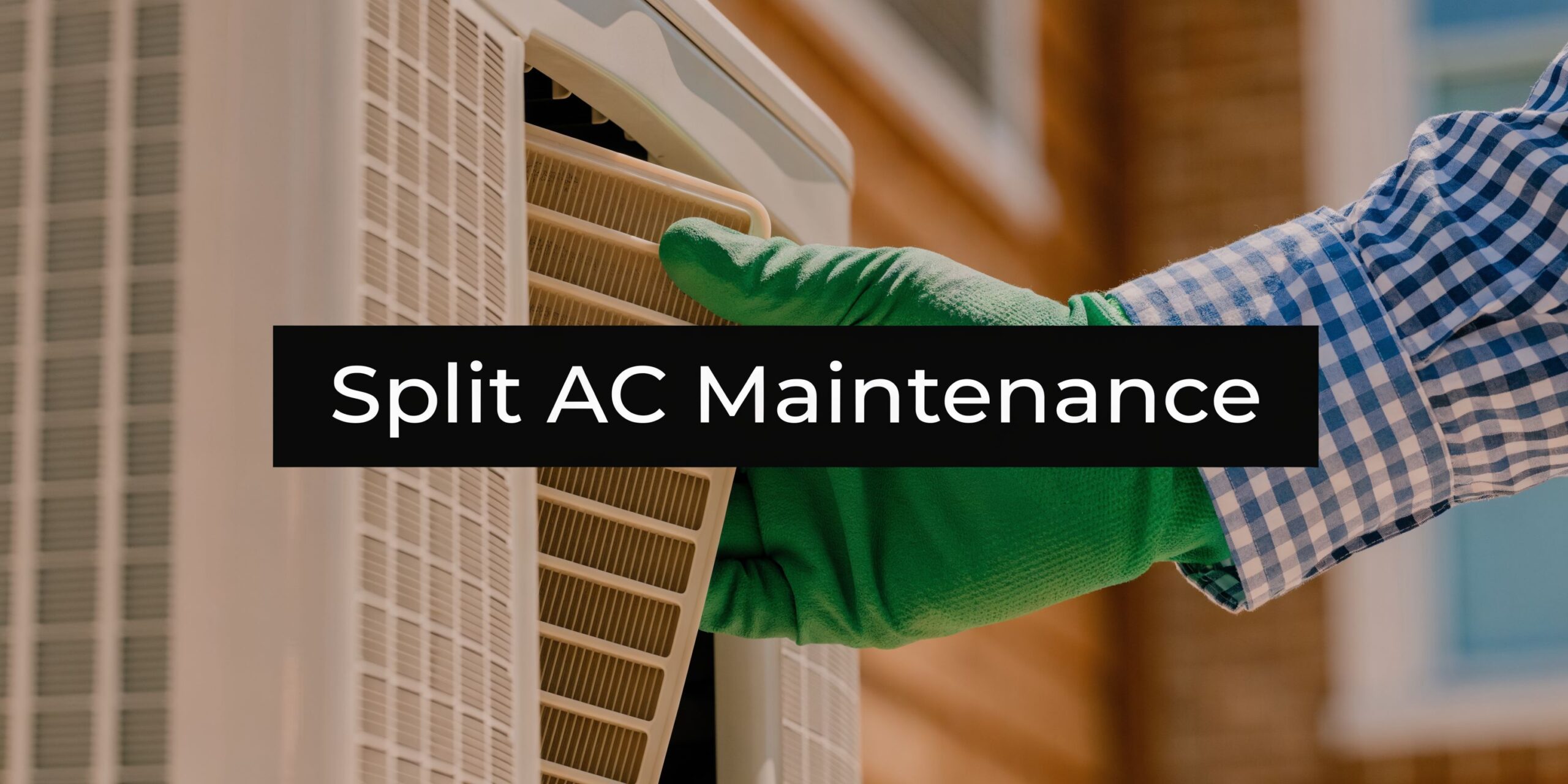
If you're reading this on the first hot afternoon of the season, there's a good chance your system is already getting tested. split system ac maintenance isn't glamorous, but in Northern Utah it can be the difference between a comfortable house and a miserable weekend waiting on repairs.
Contents
Why Bother With AC Maintenance? Hint It Saves Money
When a split system starts slipping, most homeowners notice comfort first. A room takes longer to cool, airflow feels weak, or the unit seems to run forever. The utility bill usually shows up later, and by then the system has already been working harder than it should.

Clean equipment uses less power
Regular professional maintenance can lead to significant energy savings for homeowners, and post-cleaning tune-ups can restore substantially more airflow according to this mini-split service overview. That tracks with what contractors see in the field. Dirty filters, loaded coils, and neglected drains choke performance a little at a time until the system runs longer for the same result.
That longer run time matters in Utah. On a dry July day in Weber or Davis County, homeowners often crank the thermostat lower when the underlying problem is restricted airflow. The machine keeps trying. You keep paying for it.
Practical rule: If your system sounds like it's working hard but your rooms still feel uneven, maintenance is usually a smarter first move than assuming you need a new unit.
Neglect gets expensive in ordinary ways
Most breakdowns don't begin as dramatic failures. They start with simple issues:
- A dirty filter that cuts airflow and stresses indoor components
- A clogged drain that turns into water where you don't want water
- Outdoor debris that blocks heat rejection and makes the condenser struggle
- Loose or worn parts that are cheaper to address before they fail under load
That's why maintenance isn't just a chore. It's asset protection.
Homeowners often ask whether a service contract makes sense. A balanced outside perspective is this guide on Is an AC maintenance plan worth it?, which is useful if you're weighing routine care against paying only when something breaks.
What Pays Off
Some jobs are homeowner-friendly. Some are not. A smart approach is to keep up with the easy work, then bring in the right trade when the problem moves beyond basic cleaning and inspection. If your project also involves receptacles, disconnects, remodel work, or exterior power concerns near the condenser, a home improvement electrician should be part of that conversation.
A maintained system usually gives you three things homeowners care about most:
| Benefit | What you notice at home | Why it matters |
|---|---|---|
| Lower operating cost | Shorter run times and less wasted cooling | Efficiency loss shows up on your bill |
| Better comfort | Stronger airflow and more even temperatures | Rooms cool the way they're supposed to |
| Fewer surprises | Less chance of mid-season interruption | Small issues get caught before they become expensive ones |
A lot of home maintenance is easy to postpone because the penalty isn't immediate. Air conditioning isn't like that. Skip the basics long enough and the system tells on you when you need it most.
The Homeowner's Guide to DIY AC Maintenance
Some split system ac maintenance is perfectly reasonable for a homeowner. Some of it isn't. The line is simple. If the task involves washable filters, visible debris, basic access panels, or drain cleanup, you're usually in safe territory. If it involves sealed refrigerant parts, electrical compartments, or anything that requires live testing, stop.

Start with power off
Before you open anything, shut the unit off. The standard maintenance procedure requires switching off the AC before cleaning the filter or addressing the drain, and poor disassembly or reassembly can lead to underperformance and premature equipment failure according to this guide on split AC maintenance cleaning and service procedure.
That point gets ignored all the time. Homeowners want to do a quick clean while the system is still available for cooling. Don't. Moisture, moving parts, and electrical equipment are a bad mix.
Turn it off first. A ten-minute delay is cheaper than damaging a motor housing, a control board, or yourself.
The indoor filter is your first job
Most wall-mounted indoor heads have a removable filter just behind the front cover. Open the panel gently. Pull the filter out without forcing it.
What works:
- Use clean water to rinse dust and lint out of the filter
- Let it dry completely before reinstalling it
- Re-seat it carefully so air doesn't bypass the filter
What doesn't work:
- Putting it back damp, which can lead to odors and grime buildup
- Using aggressive brushes, which can tear mesh or loosen the frame
- Ignoring it until airflow drops, because by then the unit has already been straining
If you have pets, cottonwood around the property, or family members sensitive to dust, check the filter more often. In Northern Utah, that spring fluff can clog a filter faster than people expect.
The condensate drain deserves more attention than it gets
A lot of homeowners think no cooling means a refrigerant problem. Sometimes it's a drain problem. The maintenance procedure calls for de-clogging the condensate line with pressurized air and cleaning the drain tray. That matters because standing water inside the unit can lead to leaks, odors, and poor performance.
A safe homeowner approach looks like this:
- Inspect the tray area for slime, sludge, or standing water
- Use gentle air pressure only if you can access the drain path safely and clearly
- Clean visible residue without jamming tools deep into the line
If you can't see the clog or the unit is dripping from places it shouldn't, stop there. Forcing debris farther into the line can make the problem worse.
Outdoor unit care is simple but not casual
Outdoor condensers in Utah deal with windblown dust, leaves, seed fluff, and winter debris. Keep the area around the unit clear so it can move air properly. You don't need to overcomplicate this.
A good homeowner routine:
- Remove loose debris by hand from around the base
- Trim back plants or weeds so the unit isn't breathing through a wall of growth
- Look at the coil surface for packed dirt, fuzz, or bent fins
- Check line insulation for damage from weather or animals
What I don't recommend is blasting the coil with a pressure washer. That's a fast way to flatten fins and reduce airflow. If the coil is heavily loaded, professional HVAC coil cleaning is a topic to explore, because the method matters as much as the cleaning itself.
A quick homeowner inspection that proves helpful
You don't need gauges or specialty meters to notice early trouble. Walk through these checks:
| Component | What to look for | What it may mean |
|---|---|---|
| Indoor head | Weak airflow, odd smell, visible dirt | Filter or coil contamination |
| Drain area | Water spots, drips, damp wall | Drain blockage or poor drainage |
| Outdoor unit | Debris, damaged insulation, unusual noise | Airflow restriction or wear |
| Remote or thermostat | Wrong mode, bad schedule, low battery | Control issue, not equipment failure |
What homeowners should never touch
At this point, DIY requires discipline.
- Don't open electrical compartments on the condenser or disconnect
- Don't handle refrigerant lines beyond visual inspection
- Don't straighten heavily damaged fins with random tools
- Don't keep restarting a unit that trips protection or makes electrical noise
Good maintenance is mostly boring. That's why it works. Clean the filter, keep the drain open, keep the outdoor unit clear, and pay attention to what changes. Those simple habits catch a lot before it turns into a bigger repair.
Essential Tools and Realistic Costs for DIY Care
Most homeowners don't need a van full of equipment to handle basic split system ac maintenance. They need a short list of sensible tools, plus the judgment to stop before a cleaning project turns into an electrical or refrigerant problem.
The tools worth having
A small DIY kit usually covers the homeowner-safe tasks well:
- Phillips and flathead screwdrivers for front covers and light access panels
- Soft brush for dust on housings and non-delicate surfaces
- Spray bottle and microfiber cloths for gentle cleaning
- Wet/dry shop vac for cleanup around the work area
- Fin comb for light straightening only when fins are mildly bent
- Work gloves and safety glasses because dust, sheet metal edges, and debris are real
- Flashlight or headlamp for inspecting drain areas and corners
- Mild coil-safe cleaner if the manufacturer allows it for homeowner use
The key isn't owning more tools. It's using the right one for the job and leaving specialty work alone.
DIY value depends on where you stop
Preventive maintenance strategies can yield notable cost savings over reactive repair strategies, while more advanced reliability-centered approaches can achieve substantial total savings as noted earlier in the maintenance research. The takeaway is straightforward. Routine care usually costs less than waiting for failure.
That doesn't mean every homeowner should do every task. Buying basic tools once can make regular upkeep easier. It does not replace a qualified inspection when the system shows signs of electrical trouble, icing, control problems, or repeated poor performance.
DIY Maintenance vs. Professional Tune-Up Cost Comparison
The table below doesn't use invented local pricing. Instead, it gives a realistic decision framework so you can compare one-time tool purchases against a recurring service visit.
| Item / Service | Estimated DIY Cost (One-Time) | Estimated Pro Service Cost (Per Visit) |
|---|---|---|
| Screwdriver set | Low | Not applicable |
| Soft brush and microfiber cloths | Low | Not applicable |
| Safety glasses and gloves | Low | Not applicable |
| Wet/dry shop vac | Moderate | Not applicable |
| Fin comb | Low | Not applicable |
| Coil-safe cleaner | Low to moderate | Not applicable |
| Basic homeowner maintenance kit total | Low to moderate overall | Not applicable |
| Professional tune-up | Not applicable | Recurring service charge |
That comparison leads to a practical conclusion. DIY care makes sense for repeatable housekeeping tasks. It makes less sense once diagnosis, internal testing, or electrical safety enters the picture.
Buy tools for maintenance, not for guessing. The expensive mistakes usually happen when homeowners try to diagnose problems the tool wasn't meant to solve.
If your system is showing warning signs and you want a professional opinion before summer load really hits, you can request a quote and decide from there.
Special Considerations for Multi-Zone Mini-Split Systems
A multi-zone setup changes the maintenance conversation. One outdoor unit may serve several indoor heads, and each one affects the others. If one room unit is dirty, neglected, or operating poorly, the whole system can feel off even when the outdoor equipment is technically running.

Each head needs its own attention
In multi-zone mini-split systems, each individual air handler requires regular maintenance, and neglected zones can increase energy use by up to 20 to 30% as the shared compressor works harder to compensate. Service data also shows 40% of mini-split calls involve multi-zone imbalances according to Lennox's mini-split maintenance guidance.
That number makes sense in real homes. People clean the bedroom unit they use every night and forget the office, basement room, or guest room unit that runs less often. Then they wonder why the system feels inconsistent.
Less-used zones can become the troublemaker
A head that's rarely used doesn't stay clean by magic. Dust still settles. Moisture still cycles. Air still stagnates. When that unit finally gets called on, it may smell musty, move weak air, or behave differently from the others.
Watch for these patterns:
- One room lags behind even though the rest of the house feels fine
- A rarely used head smells off at startup
- Fan behavior differs by zone without an obvious control reason
- The outdoor unit seems to run hard while one zone barely performs
A multi-zone system isn't one machine from a maintenance standpoint. It's one outdoor machine serving several indoor machines, and each indoor head has to be kept up.
Misdiagnosis is common
In this scenario, homeowners and even some service calls can go sideways. Uneven performance often gets blamed on refrigerant first because that's the dramatic explanation. But in many homes, the cause is simpler: one or more indoor heads haven't been maintained evenly.
A practical homeowner routine for multi-zone systems includes:
| Zone check | What to compare | Why it helps |
|---|---|---|
| Filter condition | Head to head | Shows whether one zone is restricting airflow |
| Airflow feel | Same fan mode across rooms | Helps identify imbalance |
| Drain behavior | Look for moisture or stains | Flags local maintenance issues |
| Startup smell | Compare less-used rooms | Can reveal buildup in neglected heads |
If your home has several indoor units, don't treat maintenance as one filter, one quick wipe, and done. Walk the whole system. The neglected room often holds the key clue.
Troubleshooting, Electrical Safety, and When to Call an Electrician
Some AC problems are annoying but manageable. Others are warnings. The skill is knowing which is which before someone gets hurt or equipment gets damaged.
A quick troubleshooting pass
If the system is running but not cooling well, start with the basics you can safely verify:
- Check the filter if airflow feels weak
- Look for drain problems if you see minor water near the indoor unit
- Confirm settings on the remote or thermostat if cooling seems inconsistent
- Inspect the outdoor area for obvious debris blocking airflow
Those checks are reasonable. They solve a surprising number of comfort complaints.
A few symptoms should make you stop troubleshooting and switch to safety mode:
| Symptom | Safe homeowner action | What not to do |
|---|---|---|
| Breaker trips when AC starts | Leave it off | Don't keep resetting it |
| Burning smell | Shut system down | Don't assume it will clear up |
| Buzzing from disconnect or unit | Keep clear and power down if safe | Don't open electrical sections |
| Visible damaged wiring | Stay away and call a pro | Don't tape it and test again |
| Ice with electrical issues | Turn system off | Don't keep forcing operation |
Electrical red flags are not maintenance items
Improper handling of 240V connections or exposed wiring during outdoor unit cleaning causes 25% of mini-split fires and shocks, and licensed electricians help ensure code compliance such as proper GFCI protection, which is especially important in snowy Northern Utah conditions where ice can amplify fault risks, according to this mini-split maintenance checklist.
That matters here more than many homeowners realize. Outdoor equipment in Weber, Davis, and Salt Lake counties deals with snow, melt, refreeze, wind, and seasonal debris. Wiring methods that look acceptable at a glance can hide damage, loose terminations, failing disconnects, or moisture intrusion.
Safety line in the sand: A split system condenser is a 240V appliance. If the problem involves breakers, wiring, disconnects, burning odor, arcing, or repeated power loss, that's electrician territory.
What licensed electricians look for
When an electrician evaluates the AC side of the problem, the work isn't guesswork. The inspection typically focuses on the electrical path that feeds and protects the equipment.
That includes things like:
- Disconnect condition near the outdoor unit
- Breaker performance and evidence of nuisance or load-related trips
- Wire terminations that may have loosened over time
- Grounding and protection devices appropriate for the installation
- Weather exposure issues around exterior connections and fittings
In Northern Utah, I pay close attention to outdoor wear. Sun cooks plastics. Snow and ice exploit small installation flaws. Rodents don't help either. A line set or whip that looks "mostly fine" can still hide a problem that becomes obvious only when the unit starts under load.
What not to do during a suspected electrical issue
A lot of bad outcomes start with good intentions. Homeowners want cold air back and try the fastest workaround.
Don't do these:
- Don't reset a tripping breaker repeatedly
- Don't hose down a unit when wiring is suspect
- Don't remove panels looking for a loose wire
- Don't run extension cords or temporary power solutions
- Don't let a handyman "take a quick look" at 240V AC wiring without proper licensing
If you need help sorting out a symptom, this electrical troubleshooting service page gives a clear picture of the kind of issues that belong with a licensed electrician instead of a general repair call.
When the call should happen immediately
Call an electrician right away if you notice any of the following:
- A breaker that trips every time the condenser starts
- A hot or buzzing disconnect
- Scorch marks, melted insulation, or sharp electrical odor
- Intermittent power loss to the indoor or outdoor unit
- Visible damage after storms, snow, or yard work
- A system that was recently remodeled around and now behaves differently
You know what? A lot of homeowners wait too long because they don't want to overreact. But electrical failures around AC equipment rarely improve on their own. They usually get more expensive, and sometimes more dangerous.
Regular cleaning helps performance. It doesn't replace electrical safety. That's the gap many maintenance guides miss, especially for homes with older panels, additions, remodels, or exterior equipment that's been through several Utah winters.
If your split system is showing electrical warning signs, or you want a qualified set of eyes on the wiring, disconnect, breaker, or outdoor connections before summer load ramps up, contact Black Rhino Electric. Call 385-396-7048 or request a free quote for safe, code-conscious help in Northern Utah.