
You’re probably here because something feels off. Maybe a breaker keeps tripping, lights flicker when the microwave starts, or you’re planning a remodel and typing electrician services near me because you want a real answer before the problem gets bigger.
Understanding Electrician Services and When You Need Them
Electrical problems rarely announce themselves in a dramatic way at first. More often, they start as small annoyances that are easy to ignore until they become a safety issue.
Think of your electrical system like water moving through pipes. Circuits carry power the way pipes carry water. If too much demand hits one circuit, it’s like trying to force too much water through a small line. Pressure builds, parts strain, and something gives.
Signs your home is asking for help
A few issues usually mean it’s time to stop guessing and call a licensed electrician:
- Breakers that trip often. One trip after plugging in a space heater might be understandable. Repeated trips usually point to overload, a failing breaker, or a wiring problem.
- Lights that dim or flicker. If this happens when appliances kick on, the issue could involve loose connections, an aging panel, or an undersized circuit.
- Warm outlets or switches. That’s not normal. Heat means resistance, and resistance creates risk.
- Buzzing sounds. Electricity should be quiet. If you hear buzzing behind a switch, outlet, or panel, something needs inspection.
- Two-prong outlets in older spaces. These can signal outdated wiring, limited grounding, or both.
- Remodel plans. New kitchens, finished basements, garage workshops, and home offices often need added circuits, dedicated loads, or updated protection devices.
Practical rule: If the problem involves your panel, wiring behind walls, or anything that smells hot, don’t treat it like a weekend DIY project.
Why homeowners get confused
A lot of people assume that if power still works, the system must be fine. It’s a reasonable thought, but electrical systems can keep operating while hiding loose terminations, overloaded circuits, or code issues.
That’s why inspections matter. They work a lot like routine health checkups. You might feel fine, but a trained professional can spot the warning signs early.
Why local demand matters
Homeowners aren’t the only ones dealing with these issues. The trade itself is growing because homes and businesses need more electrical capacity for modern living. The electrician profession in the United States is projected to grow 9% from 2024 to 2034, much faster than average, according to the U.S. Bureau of Labor Statistics electrician outlook.
That demand reflects real-world needs like inspections, panel upgrades, EV charger installations, and emergency repairs. In other words, if you’re searching for help now, you’re not overreacting. You’re responding to the same pressures many Northern Utah homeowners are facing as homes add more devices, appliances, and technology.
When it’s smart to call sooner, not later
Call before the issue becomes urgent if:
- You’ve bought an older home and don’t know the condition of the wiring.
- You’re adding high-demand equipment like a hot tub or EV charger.
- You want to fix recurring nuisance problems instead of resetting breakers over and over.
- You need peace of mind before listing, buying, or remodeling a property.
The main benefit isn’t just repair. It’s clarity. A qualified electrician helps you understand what’s happening, what’s risky, and what can wait.
Available Electrical Services Explained
Some electrical jobs are obvious. A dead outlet is easy to notice. Others are hidden behind walls, inside panels, or buried in the planning stage of a remodel. That’s where it helps to understand what different services do.
Core residential and commercial services
Here are seven common service categories homeowners and property managers ask about:
Electrical inspections
If you’re moving into an older home in Ogden or updating a rental in Layton, an inspection helps identify outdated wiring, overloaded circuits, missing protection devices, and visible workmanship concerns before they turn into expensive surprises.Troubleshooting and repairs
This is the service for mystery problems. Maybe a bathroom outlet stopped working, half the garage lost power, or one room has lights that blink for no clear reason. Troubleshooting isolates the source instead of replacing random parts and hoping for the best.Panel upgrades and meter work
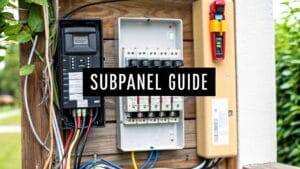
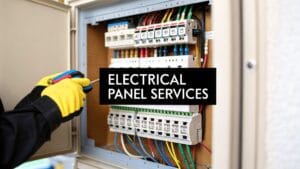
Your panel is the traffic controller for the whole house. If you’re adding new loads, dealing with an outdated setup, or seeing recurring breaker trouble, a panel upgrade may be the right move. This also matters when homes need better support for remodels or modern appliances.Wiring and rewiring for remodels or new builds
A finished basement, kitchen renovation, detached garage, or home addition usually needs more than a few extra outlets. It may require circuit planning, load balancing, outlet placement, lighting layout, and code-compliant rough and finish work.Lighting design and installation
Lighting changes how a room works, not just how it looks. Under-cabinet lighting in kitchens, security lighting around entry points, and dimmable fixtures in living areas all require correct switching, placement, and safe connections.GFCI, safety devices, and specialty power
Garages, bathrooms, kitchens, exterior spaces, and wet areas often need added safety protection. A common example is adding a GFCI outlet near a garage workbench or installing dedicated power for a hot tub in the backyard.Smart home and low-voltage solutions
This can include smart switches, connected controls, alarms, telephone lines, and computer wiring. These projects may seem simpler than line-voltage work, but planning still matters if you want reliable performance and a clean installation.
Real-world examples homeowners recognize
Let me explain how these services show up in daily life.
A homeowner buys an EV and realizes the garage outlet isn’t designed for charging equipment. That’s not just about adding a plug. It may involve checking panel capacity, selecting the correct circuit, and making sure the installation aligns with the local permitting process.
Another homeowner wants a hot tub wired before summer. The tub itself is exciting. The less exciting part is the disconnect, grounding, conductor sizing, and placement rules that keep people safe around water.
A business owner has lights failing in part of a retail suite. The visible issue is poor lighting. The actual cause might be a bad ballast replacement from years ago, a loose neutral, or wear in a commercial circuit that needs a more thorough repair.
Why local code knowledge matters
Electrical work isn’t just about making power turn on. It has to be installed in a way that matches the rules in force for that project and location.
One useful example comes from Texas, where the state adopted the National Electrical Code 2023 edition effective September 1, 2023, and the Texas Department of Licensing and Regulation compliance guide explains an important distinction. If a permit is required, the installation follows the code in effect when the permit was obtained. If no permit is required, it follows the code current when installation begins.
That example matters because the principle is bigger than one state. In practice, homeowners in Northern Utah should expect an electrician to know that permit timing, local amendments, and jurisdiction-specific requirements can affect how a job is planned and inspected.
Local code knowledge isn’t a bonus. It changes material choices, installation methods, and whether the final job passes inspection.
Matching the service to the problem
If you’re not sure what to book, use this quick guide:
| Situation | Most likely service |
|---|---|
| Breakers trip when appliances run | Troubleshooting or panel evaluation |
| Basement remodel or addition | New wiring and circuit planning |
| Installing a Tesla Wall Connector or other EV charger | Dedicated EV charger installation |
| Hot tub, sauna, or workshop equipment | Specialty power and dedicated circuits |
| Bathroom, garage, or kitchen outlet concerns | GFCI and safety device updates |
| Buying or selling a home | Electrical inspection |
| Older house with mixed wiring history | Inspection plus targeted rewiring |
For homeowners comparing options, residential electrical services in Northern Utah typically include this full range of work, from inspection and rewiring to lighting, panel upgrades, and repairs.
Typical Pricing Ranges for Common Electrical Jobs
Price is where many homeowners feel the most uncertain. That makes sense. Electrical work can look simple from the outside while hiding a lot of labor inside walls, at the panel, or in the permit process.
Because exact costs depend on the property, access, materials, and code requirements, it’s smarter to think in pricing brackets instead of fixed numbers. That helps you compare quotes without assuming every home is the same.
What changes the final quote
A small repair and a full system upgrade can both involve “electrical work,” but the pricing logic is completely different.
Common cost drivers include:
- Labor time. Troubleshooting hidden faults usually takes more diagnosis than replacing a clearly failed device.
- Material grade. Standard switches, tamper-resistant receptacles, GFCI devices, surge protection, and smart controls all come with different material costs.
- Panel condition. Work tied to an older or crowded panel can add complexity fast.
- Permit and inspection requirements. Some jobs need formal approval and scheduling.
- Access difficulty. Finished walls, tight crawlspaces, attic routing, and detached structures usually add time.
Typical pricing for common electrical services
| Service | Typical Price Range | Notes |
|---|---|---|
| Home electrical inspection | Low to moderate | Often depends on home size, age, and whether the inspection is general or problem-focused |
| Outlet or switch replacement | Low | Basic device swaps are usually straightforward unless wiring damage is found |
| GFCI outlet installation | Low to moderate | Wet-location compliance and box condition can affect labor |
| Light fixture installation | Low to moderate | Ceiling height, fixture weight, and wiring condition matter |
| Troubleshooting a dead circuit or intermittent issue | Moderate | Diagnosis time is the big variable |
| Dedicated circuit installation | Moderate to high | Distance from panel and wall access shape the quote |
| EV charger installation | Moderate to high | Panel capacity, charger type, mounting location, and permit needs all matter |
| Panel upgrade | High | Usually one of the larger residential electrical investments |
| Rewiring part of a home | High | Scope, demolition access, and finish restoration affect total cost |
| Hot tub power installation | Moderate to high | Disconnect placement, distance, and equipment requirements matter |
How to read a quote without getting lost
Look for these line items:
Scope of work
The estimate should clearly say what’s included. “Replace panel” is too vague. Good quotes describe equipment, circuits, protection devices, and permit handling.Allowance for unknown conditions
Older homes sometimes hide splices, damaged conductors, or mixed materials. A careful estimate may note that concealed issues can change the final price.Permit responsibility
Ask who pulls the permit and who schedules inspection if one is needed.Patch and repair limits
Electrical contractors don’t always include drywall, paint, or finish carpentry after access work. You want that clarified up front.
A lower quote isn’t always a better quote. If one bid skips permit discussion, panel details, or cleanup expectations, compare scope before comparing price.
A simple way to compare bids
When you gather quotes from electrician services near me, put each one into three buckets:
- What work is included
- What assumptions are built in
- What happens if hidden problems appear
That approach protects you from sticker shock and from the opposite problem too. Some bids look expensive until you realize they include permit handling, better devices, and a cleaner finish.
How to Choose a Qualified Electrician
Hiring an electrician is a lot like choosing a surgeon for a procedure you can’t perform yourself. You may not know every technical step, but you can absolutely verify credentials, ask smart questions, and notice red flags.
Start with the two basics below.

The short vetting checklist
Before you hire anyone, check these items in order:
Licensure first
Verify that the contractor holds active Utah licensing through the proper state channel. If you want a plain-language overview of the process, this guide on how to verify a contractor's license is a helpful starting point.Insurance next
Ask whether the contractor carries liability coverage and whether workers on site are covered appropriately. If something goes wrong, you don’t want vague answers.Written scope
Get the job description in writing. It should identify the work, not just the price.Permit clarity
Ask whether a permit is needed and who handles it. If the answer feels evasive, pause.Communication style
Notice whether they explain things clearly. A good electrician can translate technical issues into plain English.
Questions worth asking on the phone
You don’t need to sound like an inspector. A few direct questions tell you a lot:
| Ask this | Why it matters |
|---|---|
| Are you licensed for this type of work in Utah? | Confirms legitimacy and fit |
| Will this job likely need a permit? | Reveals code awareness |
| What could change the quote once work starts? | Shows honesty about unknowns |
| Do you provide a written estimate? | Protects scope and expectations |
| Who will actually perform the work? | Clarifies staffing and accountability |
Red flags that deserve caution
You know what? Most hiring mistakes happen before the first tool comes out.
Watch for these warning signs:
- Unusually low bids that don’t explain materials, permits, or labor assumptions
- Cash-only pressure or resistance to paperwork
- No mention of inspection or code compliance on work that obviously affects safety
- Vague language like “we’ll figure it out as we go”
- No proof of insurance when asked
What a strong contractor sounds like
A qualified electrician usually doesn’t promise magic. They ask questions.
They’ll want to know the age of the home, what the panel looks like, whether the issue is isolated or repeated, what equipment you’re adding, and whether any previous work was done without permits. Those questions are a good sign because they show the contractor is diagnosing, not guessing.
If an electrician can’t explain the problem in simple words, it’s hard to trust the repair plan.
Local hiring matters in fast-growing areas
Northern Utah homes aren’t all the same. An older property in Weber County, a newer subdivision in Davis County, and a remodel in Salt Lake County can all present different panel setups, outlet counts, access challenges, and jurisdiction expectations.
That’s why “qualified” means more than technical ability. It also means understanding local inspection culture, regional building patterns, and the kind of service homeowners need when schedules are tight and projects are moving quickly.
Service Areas Covered by Black Rhino Electric
Availability matters almost as much as skill. A great electrician who doesn’t serve your neighborhood, or can’t reach your property in a reasonable time, won’t solve today’s problem.
The service footprint below helps homeowners understand where local support is most relevant.

Weber County needs
Weber County often brings a mix of older housing stock, established neighborhoods, and weather exposure. In places like Ogden and Marriott-Slaterville, homeowners commonly care about panel evaluations, rewiring, lighting updates, and repair work tied to aging systems.
Snow, cold, and seasonal strain can also make service timing important. Exterior circuits, garage wiring, and outbuilding power setups tend to matter more when winter conditions put extra demands on the property.
Davis County needs
Davis County combines established homes with rapid residential growth. Areas such as Layton and surrounding communities often need electrical work linked to expansions, garage conversions, home offices, and EV charger planning.
This county also sees a lot of “everything is mostly fine, except…” calls. Those jobs often involve nuisance breaker trips, added circuits, fixture replacements, and service upgrades that support modern appliances without overloading existing infrastructure.
Salt Lake County needs
Salt Lake County brings a broader range of property types. A home in Millcreek may need remodel wiring and lighting design, while a commercial space may need maintenance, retrofit work, or after-hours repair support.
Urban and near-urban properties can also involve tighter scheduling windows, parking considerations, and more coordination with other trades. That makes communication and planning especially important.
What local coverage means for the homeowner
If you’re searching for electrician services near me, service area details help answer practical questions:
- Can they handle my county’s common property types?
- Do they understand the pace and permitting rhythm of my area?
- Can they realistically support repairs, upgrades, and follow-up if needed?
A contractor serving Weber, Davis, and Salt Lake counties is often better positioned to respond with context, not just availability. That matters when your issue isn’t generic and your home certainly isn’t either.
Essential Trust Signals for Reliable Electrician Work
Trust in electrical work isn’t built with slogans. It comes from verifiable protections that reduce your risk before the first wire is touched.
The most important trust signals are licensing, insurance, code awareness, and a clear commitment to stand behind the work. Without those, a homeowner is taking on more risk than many realize.

Why trust signals matter in real safety terms
Poor electrical work doesn’t always fail immediately. Sometimes it sits hidden until load, heat, or time exposes the mistake.
Data cited from the U.S. Fire Administration shows that 25% of home electrical fires stem from substandard wiring by unqualified contractors, and Utah has seen a 15% rise in violations amid rapid growth, according to the summary presented by Hunter's Electrical Service. That’s why verifying credentials and local code knowledge matters so much.
The trust checklist that protects you
Here’s what to confirm before approving a quote:
Active licensing
This tells you the contractor meets state requirements to perform regulated electrical work.Insurance coverage
Liability protection matters if property damage or accidents occur during the job.Written estimate and scope
A detailed estimate reduces confusion about what’s included and what isn’t.Permit awareness
Contractors should identify when permit-based work is involved instead of brushing the topic aside.Satisfaction or workmanship guarantee
This gives you a process for resolving problems if something isn’t completed as promised.
A practical way to inspect the inspector
Many homeowners want to be informed without pretending to be electricians. That’s the right mindset.
If you want a homeowner-friendly reference for what to look at around panels, outlets, visible wiring, and warning signs, this home electrical inspection checklist offers a useful pre-appointment review. It won’t replace a licensed inspection, but it helps you ask sharper questions.
Reliable electrical work feels boring in the best way. The job is documented, explained, code-aware, and free of surprises.
One company detail that matters
For example, Black Rhino Electric's company background states that it is a fully licensed and insured electrical contractor serving Weber, Davis, and Salt Lake counties, with residential and commercial services that include inspections, panel work, EV chargers, rewiring, low-voltage solutions, and repairs. That kind of factual company information is useful because it tells you what the contractor says it does before you compare that against your own vetting steps.
How trust shows up during the job
You can usually tell within the first conversation whether a contractor values trust in a practical way.
Look for signs like these:
| Trust signal | What it looks like in practice |
|---|---|
| Clear scheduling | Arrival windows and updates are communicated |
| Plain-language explanations | The electrician explains the issue without hiding behind jargon |
| Respect for the property | Work areas are protected and left orderly |
| Documentation | Estimates, approvals, and next steps are written down |
| Follow-through | Questions after the job get answered |
The safest hire is rarely the one with the flashiest pitch. It’s usually the one with the clearest paper trail and the most disciplined process.
Common Questions Homeowners Ask
Do I need a permit for a remodel electrical job
Sometimes yes, sometimes no. It usually depends on the scope of work, the location, and whether circuits, panel components, or service equipment are being changed. If your project goes beyond a simple fixture swap, ask about permit responsibility early and get the answer in writing.
Can I stay in the house during a panel upgrade
Often you can, but parts of the home may lose power while work is underway. That affects refrigeration, internet service, HVAC controls, medical devices, and work-from-home routines. Ask in advance how long outages may last and whether temporary sequencing can reduce disruption.
Are EV chargers all basically the same to install
Not really. The charger brand, mounting location, distance from the panel, and available electrical capacity all shape the job. A proper installation starts with evaluating the panel and circuit needs, not just choosing a wall location in the garage.
What should I do before the electrician arrives
Clear access to the panel, affected rooms, garage walls, attic entry, or crawlspace points if they’re relevant. Make a short written list of symptoms, including when the problem happens and what equipment was running at the time. That saves time and helps the electrician troubleshoot more accurately.
Can one bad outlet mean a bigger wiring problem
Yes. Sometimes a failed outlet is just a worn device. Other times it’s the visible end of a loose connection, feed-through issue, overload pattern, or aging branch circuit. That’s why recurring failures deserve a broader look instead of repeated spot fixes.
Do smart home upgrades need an electrician
Many do. Smart switches, dimmers, added lighting controls, and connected devices often depend on box fill, neutral availability, compatible wiring, and safe integration with existing circuits. It’s a small-tech upgrade on the surface, but the wiring behind it still has to be correct.
Next Steps with Black Rhino Electric
A good electrical decision usually comes down to three things. Safe workmanship, clear scope, and local understanding of the kind of homes and projects found across Weber, Davis, and Salt Lake counties.
If you’ve been comparing electrician services near me, focus on the contractors who explain the work clearly, document the quote, and treat licensing, insurance, and code compliance as standard practice. That approach protects your home long after the appointment ends.
If you’re ready to move forward, you can review the request a free quote page and use the contact option that fits your project timeline.
If you’d like help from Black Rhino Electric, request a free quote through the online form or call 385-396-7048.