Daylight harvesting systems are quickly becoming one of the smartest ways for Utah businesses to cut energy costs without sacrificing comfort. You know what? When your lighting automatically adapts to the sun instead of fighting against it, you get a space that feels better to work in and costs less to operate. In this guide, we’ll walk through how these systems work in real-world commercial buildings and why they’re such a good fit for companies across Weber County.
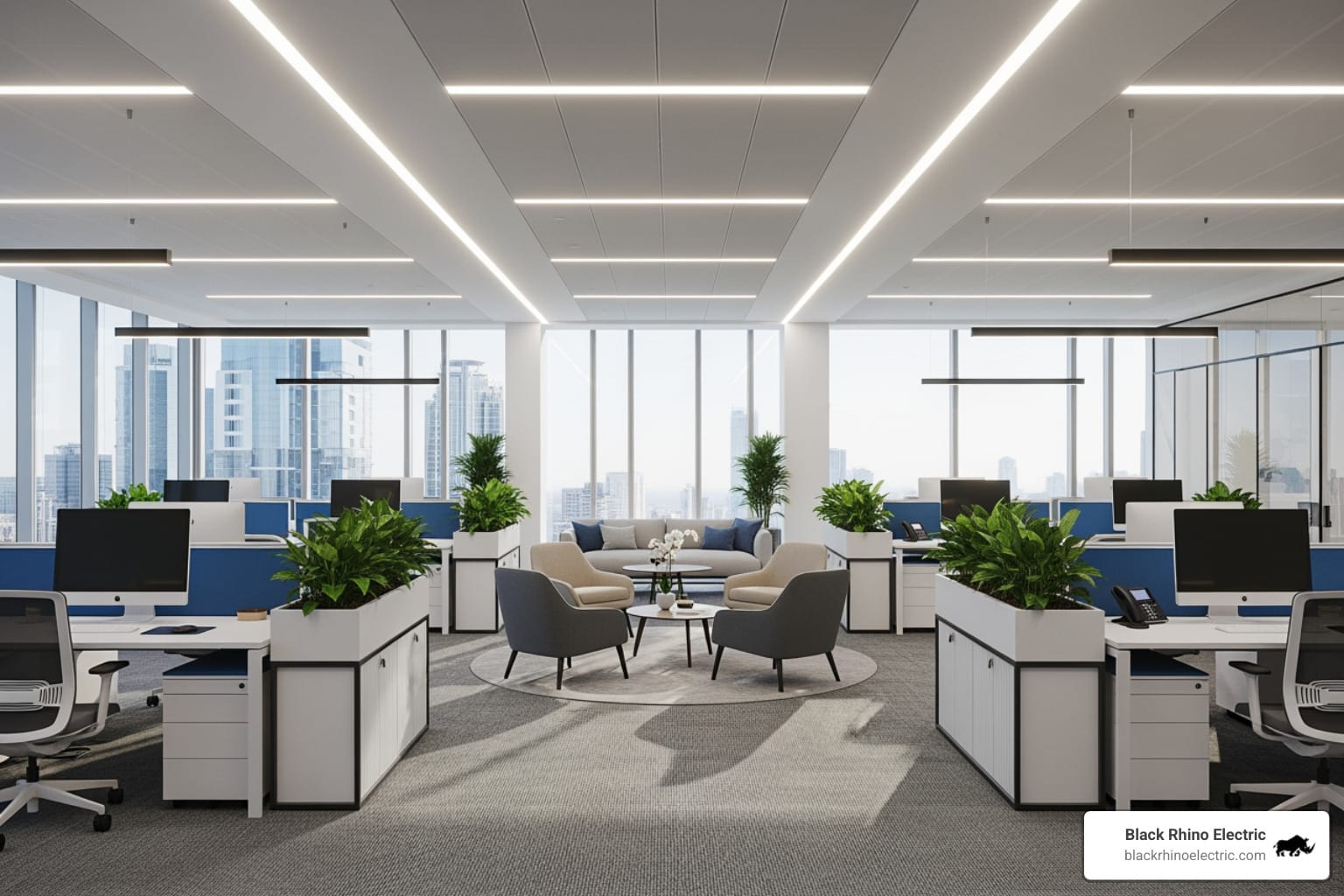
Imagine walking into your office and the lights automatically adjust, perfectly blending with the natural sunlight streaming through the windows. This isn’t science fiction; it’s the power of daylight harvesting systems. This smart technology reduces energy consumption by using natural light to offset the need for artificial lighting, creating a more efficient and comfortable environment.
Contents
What Are Daylight Harvesting Systems & How Do They Work?
Daylight harvesting systems are a form of automatic lighting control that can cut your lighting energy consumption by over 25%. Since artificial lights account for nearly 17% of energy consumed in commercial buildings, these systems offer a significant opportunity for savings. They work by:
- Detecting available natural light with photosensors
- Adjusting artificial lighting by dimming or switching fixtures
- Maintaining consistent illumination levels
- Saving 20-60% on lighting energy costs
- Complying with energy codes like ASHRAE 90.1, Title-24, and International Energy Conservation Code (IECC)
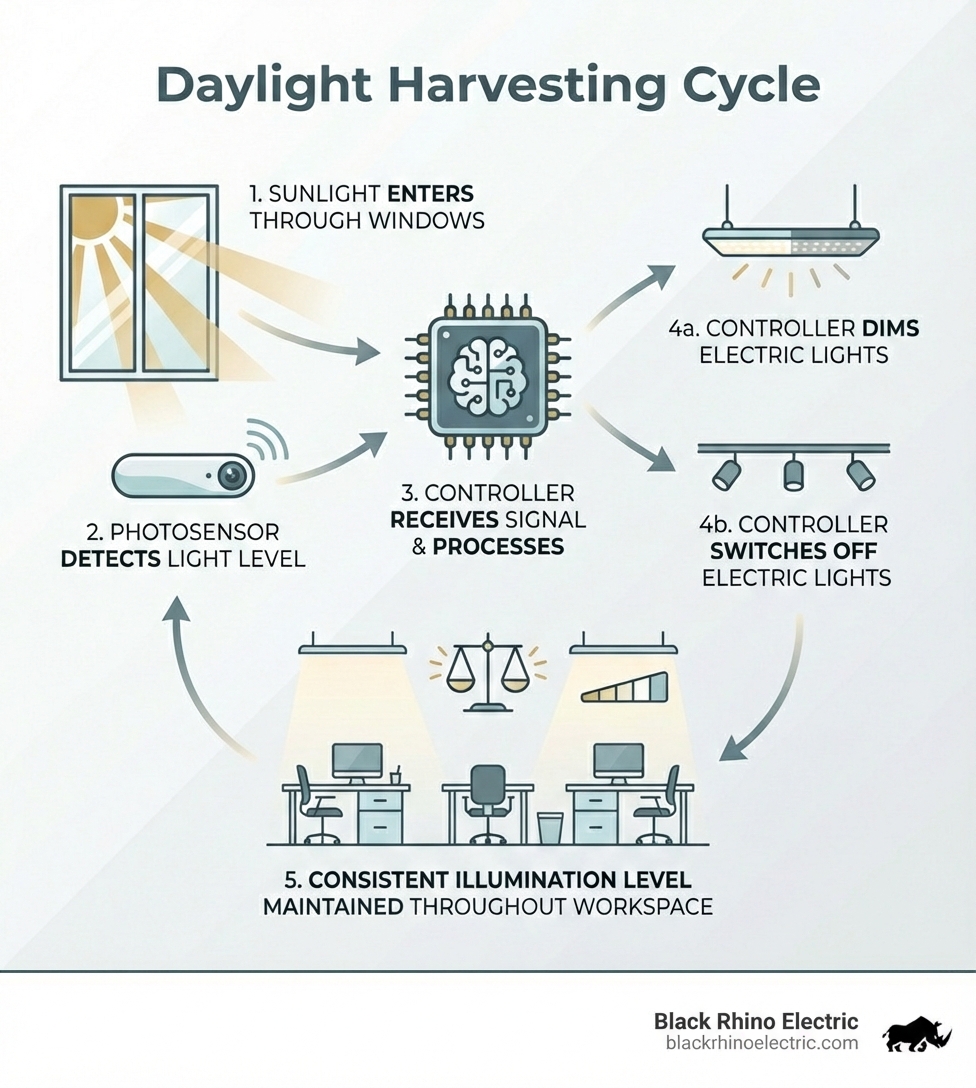
Here’s the thing: the basic principle is simple. Photosensors measure the amount of natural light entering a space. This information feeds to a controller, which then dims or switches off electric lights to maintain your desired light level. As daylight increases, artificial lighting decreases. When clouds roll in or the sun sets, the system seamlessly ramps electric lights back up.
The Core Concept: Using Sunlight to Reduce Electric Lighting
At its heart, daylight harvesting is an energy management technique. It’s all about using the ambient (natural) light present in a space to reduce the need for energy-consuming overhead electric lighting. When ample sunlight is available, your electric lights dim down or even switch off. When the natural light fades, the system automatically compensates by increasing artificial light, ensuring a consistent, comfortable illumination level for your business in Weber County.
This isn’t just about turning lights on or off; modern systems can smoothly dim lights, creating a more pleasant and less noticeable transition for occupants. Honestly, that automated adjustment is key to maximizing energy efficiency without sacrificing comfort.
The Key Components and Types of Daylight Harvesting Systems
To truly understand how daylight harvesting works, let me explain its essential components. Every effective system relies on a few core elements working in harmony:
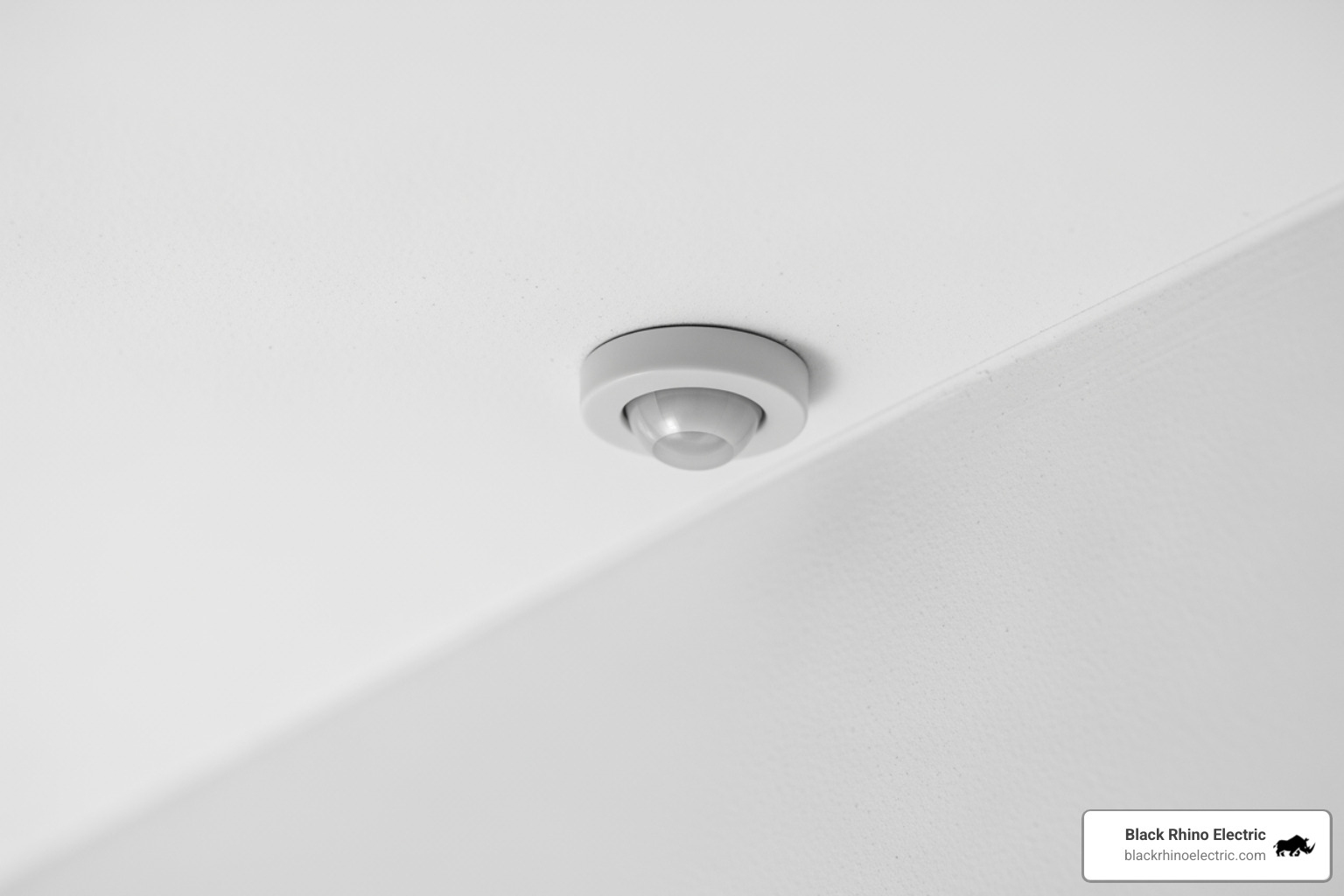
- Photosensors (or Light Sensors): The eyes of the system, constantly measuring the intensity of natural light in a space.
- Lighting Controllers: The brain, receiving data from photosensors and sending commands to the light fixtures to dim or switch off.
- Dimmable LED Fixtures: Modern LEDs are perfect for this, offering smooth, continuous dimming that also extends their lifespan.
- Dimmable Drivers/Ballasts: These components regulate the power supplied to the light fixtures, allowing them to dim.
When it comes to control strategies, daylight harvesting systems offer flexible options that can be custom to different types of spaces:
- Continuous Dimming: The preferred method, allowing for smooth, incremental adjustments to maintain a consistent total light level.
- Bi-level Switching: Lights switch between two pre-set levels (e.g., 100% and 50%).
- On/Off Switching: The simplest method, where lights are either fully on or completely off.
Open-Loop vs. Closed-Loop: A Quick Comparison
When designing a system for your commercial building in Clearfield or Farmington, a primary decision is the type of control: open-loop or closed-loop. The Lighting Research Center at Rensselaer Polytechnic Institute provides an excellent guide to photosensor control systems in this technical overview.
Let’s look at the differences:
| Feature | Open-Loop Control System | Closed-Loop Control System |
|---|---|---|
| How it Works | Sensor detects only natural light intensity. | Sensor detects both natural and artificial light intensity. |
| Sensor Placement | Near a window where daylight enters, away from artificial lights. | Ceiling-mounted, facing the workplane, measuring total ambient light. |
| Best For | Areas with predictable daylight, like hallways, atriums, or parking lots. | Areas requiring precise light levels, like classrooms, offices, or museums. |
| Pros | Simpler setup, less expensive, not prone to “fixture feedback.” | More accurate control, maintains a precise target light level, self-correcting. |
| Cons | Less accurate as it doesn’t account for electric light contribution. | More complex to calibrate, can be affected by “fixture feedback.” |
In an open-loop system, the sensor acts like a weather station, measuring only incoming natural light. Conversely, a closed-loop system is more like a thermostat, measuring the total light (natural and artificial) and adjusting to maintain a consistent level. For an office in Roy where consistent desk illumination is crucial, a closed-loop system is the superior choice.
The Benefits and Practicalities of Implementation
Implementing a daylight harvesting system is a strategic decision that brings a cascade of benefits, from your bottom line to the well-being of your employees. Let’s dig into why this technology is a smart investment for businesses across Weber County.
Why It’s a Win-Win: Energy, Comfort, and Code Compliance
The advantages of integrating daylight harvesting systems are truly compelling. Here’s why it’s a win-win for your business:
- Significant Energy Savings: This is the primary driver. By reducing lighting energy use by 25-50%, you’ll see a significant drop in your utility bills. Studies show an average annual energy savings of 24%.
- Reduced Electricity Costs: Directly tied to energy savings, lower consumption means lower operational costs, freeing up capital for other investments in your business in Syracuse or Clinton.
- Improved Occupant Comfort and Productivity: Natural light is more pleasing than artificial light. Studies suggest it can improve mood, reduce eye strain, and increase alertness, leading to higher perceived efficiency.
- Circadian Rhythm Benefits: Exposure to natural light helps regulate our body’s natural sleep-wake cycle, leading to better overall well-being and a more productive workforce in Kaysville.
- Sustainability and Green Building Credentials: Reducing your energy footprint helps buildings meet stringent energy codes like ASHRAE 90.1 and Title-24. This can also contribute to green building certifications like LEED, enhancing your building’s value.
Critical Factors for Design and Installation of Daylight Harvesting Systems
Successfully implementing a daylight harvesting system requires careful planning. Optimal performance hinges on several key factors:
- Building Orientation and Fenestration: The building’s direction and window size determine how much natural light enters. South-facing windows are often ideal.
- Interior Layout and Finishes: Open-plan offices with light-colored walls, ceilings, and furnishings benefit most, as these surfaces reflect light deeper into the space.
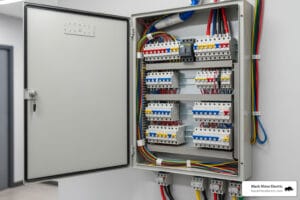
- Sensor Placement Strategy: This is paramount. Poor placement leads to incorrect lighting levels. Our expert electricians in Ogden understand the nuances of strategic placement to avoid issues.
- Zoning: Dividing your space into “daylight zones” based on proximity to windows allows for more granular and efficient control.
- Calibration Process: Once installed, the system must be carefully calibrated to your desired light levels (e.g., 500 Lux for office work) to ensure comfort and savings.
- Commissioning: This final step ensures the system is installed correctly and operating as designed. Third-party commissioning is often recommended.
- Integration with LED Lighting: Modern, dimmable LED lighting is the ideal partner for daylight harvesting due to its efficiency, control, and long lifespan.
- Exterior vs. Interior Applications: The same principles can apply to exterior lighting. Photocells can dim or turn off outdoor lights during the day, saving energy on high-wattage fixtures in areas like Riverdale.
The Bottom Line: Payback, Incentives, and Potential Problems
Let’s talk about the economic side of things. Implementing daylight harvesting systems is an investment that typically offers a strong Return on Investment (ROI).
Economic Aspects:
- Payback Period: While initial costs vary, energy savings often lead to quick paybacks, sometimes as low as four years, depending on your building and utility rates.
- Utility Rebates and Government Incentives: Many local utility and government programs offer incentives that can significantly reduce your upfront costs. We can help you identify these opportunities in Weber County.
Potential Challenges or Drawbacks:
It’s important to be aware of potential issues to ensure a successful project:
- High Initial Cost: The upfront investment can be a barrier, but incentives and long-term energy savings often lead to a fast ROI.
- Improper Calibration: A poorly tuned system can cause occupant discomfort and negate savings, which is why professional installation is critical.
- Occupant Behavior: If a system is distracting, occupants might try to override it. Proper design, smooth dimming, and education can prevent this.
- Glare Control: Too much direct sunlight can cause glare, leading occupants to pull down blinds and reduce savings. Integrating automated shades can be a comprehensive solution.
Conclusion: Harvest the Light with Expert Help
You know what? When daylight harvesting systems are designed and installed correctly, they quietly work in the background, trimming energy waste every single day while keeping your workspace bright and comfortable. We’ve explored what these systems are, how they work, and the incredible benefits they offer. From significant energy savings—reducing your lighting costs by 20-60%—to creating a more comfortable and productive environment, this technology is a powerful tool for modern businesses in Ogden and Layton. It’s a smart way to meet energy codes, improve your building’s value, and contribute to a greener future.
Here’s the thing: implementing these systems demands real-world expertise in lighting design, controls, and electrical engineering. That’s where we come in. At Black Rhino Electric, we specialize in advanced lighting controls. Our team understands the nuances of daylight harvesting, from optimal sensor placement and daylight zoning to seamless integration with LED lighting and proper commissioning. We draw on field experience in Weber County buildings to ensure your system is perfectly calibrated to deliver maximum savings and comfort without annoying flicker or constant overrides from occupants.
Honestly, if you’re planning a lighting upgrade, a remodel, or a new construction project, this is the perfect time to build daylight harvesting into your electrical design. Don’t let your business miss out on substantial long-term savings and improved employee comfort. Let us help you Upgrade your commercial lighting with our expert team today! For a professional assessment of how your property can benefit, call our expert electricians at 801-810-4292 or Request a Free Quote online.