Discovering your home has aluminum wiring can be deeply unsettling, and your first thought is likely about the aluminum wiring replacement cost. It's a completely valid concern, but focusing only on the price tag overlooks the most critical part of this story. This isn't just another home improvement project; it's a vital investment in your family's safety and your own peace of mind.
Understanding the True Cost of Aluminum Wiring

The real cost of keeping old aluminum wiring isn't just a number on an invoice; it's measured in safety and security. This type of wiring was a popular choice for homes built between the mid-1960s and early 1970s, but we now know it poses a genuine fire hazard.
Here’s the thing: aluminum expands and contracts more than copper when it heats up and cools down. Over time, this movement can cause connections at your outlets, switches, and fixtures to loosen. Loose connections can overheat, arc, and spark.
When you're budgeting for a project this big, it helps to know the difference between actual cash value vs. replacement cost, as this can frame how you think about the total investment.
For Northern Utah homeowners, especially in neighborhoods with homes from that era, this isn't some far-off hypothetical. It’s a real issue found right here in our communities. The "cost" conversation has to include the risk of doing nothing.
An upgrade isn't just about modernizing; it’s about proactively removing a known danger from behind your walls. The peace of mind that comes with a safe, reliable electrical system is invaluable.
Ultimately, replacing old aluminum wiring gets rid of potential insurance headaches and, most importantly, protects your home and family. If you’re thinking about other upgrades at the same time, you can learn more about modernizing your home's electrical core in our guide on breakers and panels.
Why Aluminum Wiring Was Used and Its Hidden Dangers
Finding out your home has aluminum wiring can feel like you've just uncovered a hidden problem, and it’s natural to jump straight to worrying about the aluminum wiring replacement cost. But to really get why replacement is so important, it helps to understand the story behind this material and the real dangers it brings. Let's dig into why it was ever used in the first place and why it’s now a major safety headache for homeowners.
The Science Behind the Danger
Honestly, the problem isn’t that aluminum is a bad material; it’s that its physical properties make it a poor choice for residential wiring connections compared to copper. Think of it like a screw that keeps working itself loose over time. Aluminum expands and contracts a lot more than copper does when it heats up from electrical use and then cools down.
This constant cycle of expansion and contraction is called thermal expansion. Over the years, it makes the connections at your outlets, light switches, and junction boxes become loose. Loose connections are where the real danger starts, creating tiny gaps where electricity can arc—like a miniature lightning strike—generating intense heat.
The U.S. Consumer Product Safety Commission (CPSC) found that homes with aluminum wiring manufactured before 1972 are 55 times more likely to have one or more connections reach "Fire Hazard Conditions" than homes wired with copper.
This isn't a small problem. It's a fundamental flaw that bakes a persistent fire risk right into your walls. On top of that, aluminum oxidizes when it's exposed to air, forming a resistive layer that doesn't conduct electricity well. This oxidation builds up at those already-loose connection points, adding even more resistance and, you guessed it, more heat.
Warning Signs of Failing Aluminum Wiring
Your house will often give you clues that your aluminum wiring connections are starting to fail. Have you ever noticed strange electrical quirks and wondered if something serious was wrong? Catching these signs early is critical for preventing a dangerous situation. If you notice any of the following, it’s time to get a professional inspection right away.
Key Warning Signs to Look For:
- Flickering or Dimming Lights: This can signal unstable connections that are struggling to keep a steady flow of electricity.
- Warm or Discolored Outlets/Switch Plates: Any warmth is a major red flag that the connection behind the plate is overheating. Discoloration or charring means a fire hazard is just around the corner.
- A Strange Smell of Burning Plastic: That distinct, acrid smell near an outlet or switch often means the wire insulation or the device itself is melting from the heat.
- Buzzing or Sizzling Sounds: Hearing a buzz coming from an outlet or switch is a direct sign of arcing, where electricity is jumping across a gap.
- Frequently Tripped Circuit Breakers: While lots of things can trip a breaker, if it’s happening alongside these other signs, it can point to failing wiring creating shorts or overloads.
These symptoms are your electrical system’s way of crying for help. If you're running into these issues, it might be time to call in an expert. You can learn more about figuring out what’s wrong by checking out our guide on troubleshooting electrician services. Don’t just ignore these warnings; they are direct indicators of the hidden dangers that come with aging aluminum wiring.
Breaking Down the Aluminum Wiring Replacement Cost
Now that you understand why replacing old aluminum wiring is so critical, let’s get into the numbers. It’s natural to want a single, straightforward answer to your biggest question: what is the aluminum wiring replacement cost?
Let me explain. The total price isn’t just one figure; it’s a sum of several key parts that vary from one Northern Utah home to the next. Think of it like a major car repair—you have the cost of the new engine, the mechanic’s hours, and maybe some unexpected shop fees for corroded bolts. A full home rewire is similar. It combines costs for skilled labor, high-quality materials, necessary permits, and any related system upgrades that pop up.
The Main Cost Drivers in Northern Utah
When an electrician from Black Rhino Electric puts together a quote, they’re calculating the total investment based on several key factors. Each one plays a role in the final price to ensure the job is done safely and is fully up to code.
Here are the primary things that make up your total replacement cost:
- Labor Costs: This is almost always the largest portion of the bill. It covers the time and deep expertise of licensed electricians who will carefully pull out the old, risky wiring and install a brand-new copper system. This is painstaking work.
- Materials: This includes all the new copper wiring (typically Romex), modern outlets, switches, junction boxes, and other essential hardware. Material costs can fluctuate, but we never compromise on quality for safety’s sake.
- Permits and Inspections: To ensure your home is compliant with local codes in Weber, Davis, or Salt Lake County, a permit has to be pulled. This also covers the cost of the mandatory inspection by a city official after the work is done—a crucial final safety check.
- Potential Upgrades: Sometimes, a full rewire shines a spotlight on other outdated parts of your electrical system. This could mean needing a new electrical panel to handle modern power demands or installing AFCI/GFCI protection for enhanced fire and shock prevention.
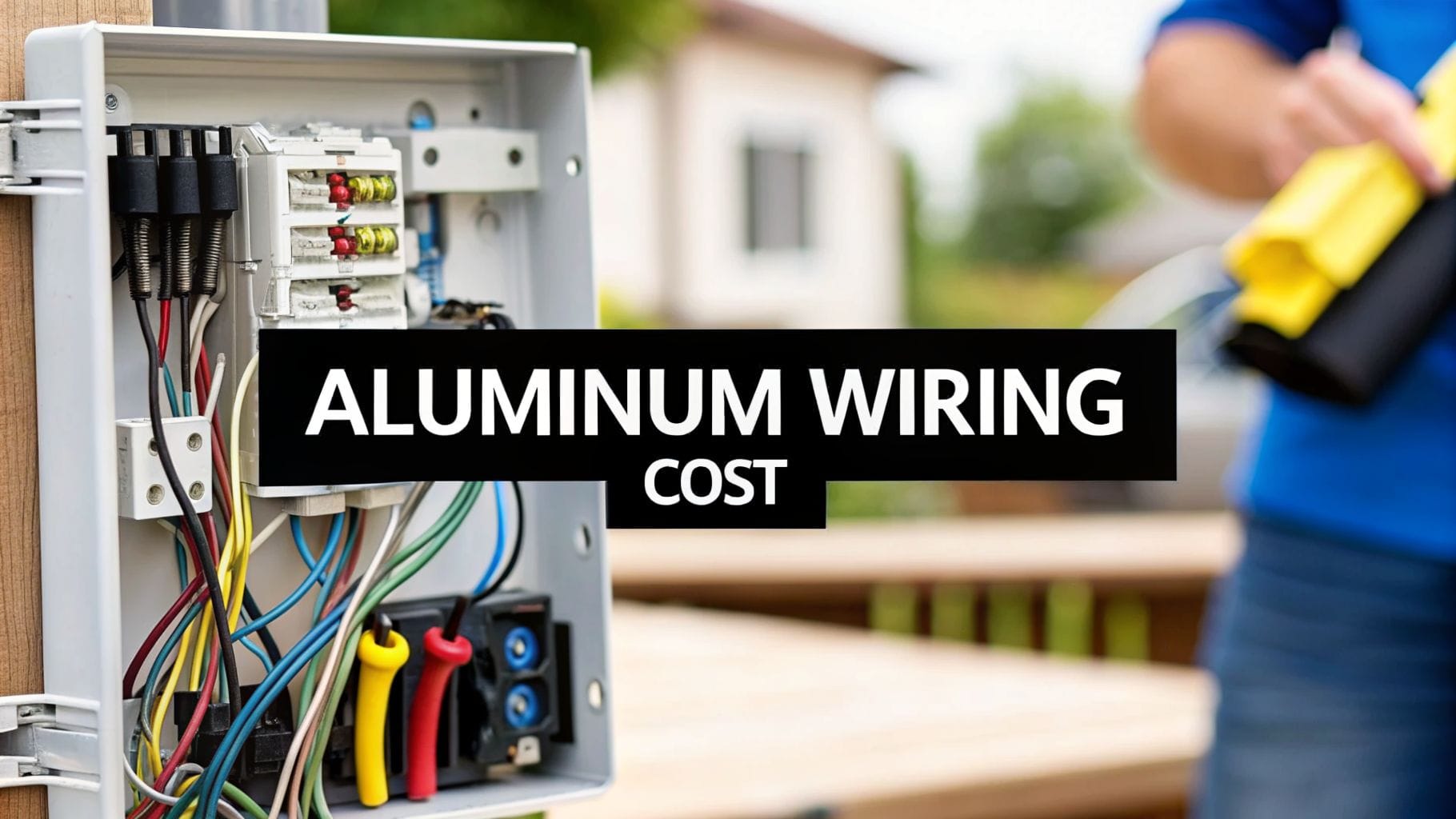
This infographic lays out some of the fundamental dangers of aluminum wiring that make this replacement a necessary safety investment, not just a repair.

As the visual shows, aluminum wiring’s tendency to loosen over time is a direct contributor to fire risk. That’s why a full copper replacement is the only truly permanent solution.
Estimated Aluminum Wiring Replacement Cost by Home Size in Northern Utah
So, what does this all add up to for a typical homeowner? The following table provides estimated cost ranges for a full aluminum-to-copper rewire based on typical home sizes in the Weber, Davis, and Salt Lake County areas. Costs include labor, materials, and standard permits.
| Home Size (Square Feet) | Estimated Cost Range (Full Rewire) | Potential Additional Costs |
|---|---|---|
| Up to 1,500 sq ft | $7,000 – $12,000 | Electrical Panel Upgrade ($1,500 – $3,000), Extensive Drywall Repair, AFCI/GFCI Breakers |
| 1,501 – 2,500 sq ft | $11,000 – $18,000 | Electrical Panel Upgrade ($1,800 – $4,000), New Dedicated Circuits (e.g., for EV) |
| 2,501 – 3,500 sq ft | $16,000 – $25,000+ | Electrical Panel Upgrade ($2,000 – $5,000+), Complex Wiring Paths, Sub-panel |
Keep in mind that factors like the home's construction, how accessible the wiring is, and the need for significant drywall repair can influence the final cost. This is exactly why a detailed, on-site inspection is essential for an accurate quote.
A full rewire is more than a repair; it’s a complete system overhaul. You're not just fixing a problem—you're investing in a brand-new, modern electrical infrastructure that will serve your home safely for decades.
While the aluminum wiring replacement cost can be a significant investment, understanding these components helps clarify where your money goes. This isn't just an expense; it's an upgrade that enhances safety, increases your property value, and provides invaluable peace of mind.
Full Rewire or Pigtail Repair: Which Is Right for You?
When you discover your Northern Utah home has aluminum wiring, you’re faced with a big decision. The conversation shifts from "do I have a problem?" to "how do I fix it?" and that decision directly impacts your budget and long-term safety.
You essentially have two main paths to consider. You know what? Choosing between them comes down to your budget, how long you plan to stay in the home, and your personal comfort level with risk. On one hand, you have a full home rewire—the most complete and permanent solution. On the other, you have targeted repairs like pigtailing, which is a less invasive and more affordable approach.
The Permanent Solution: A Full Copper Rewire
A full rewire is exactly what it sounds like: a complete replacement of all accessible aluminum branch circuit wiring with modern, reliable copper. Think of it as a heart transplant for your home's electrical system. We're not just patching a problem; we're removing it entirely, root and stem.
This process involves:
- Complete Removal: All old aluminum wires connecting to outlets, switches, and light fixtures are pulled out.
- New Copper Installation: Brand-new, high-quality copper wiring (like Romex) is run throughout the house.
- Modern Device Upgrades: All outlets and switches are replaced with modern, tamper-resistant devices that meet current code.
This is the gold-standard solution. It completely eliminates the risks tied to aluminum wiring—the loosening, the overheating, the fire hazard—and brings your home’s electrical system fully up to today's safety standards. It’s the only way to get 100% peace of mind.
The Targeted Fix: Pigtail Repairs
If a full rewire isn't in the budget, pigtailing is the next-best, CPSC-approved method. It's a targeted repair, not a full replacement. Imagine you have a leaky pipe; instead of replacing the whole plumbing system, you expertly seal every single joint to stop the drips. That's pigtailing.
Here’s how it works: at every connection point—every outlet, switch, and light fixture—an electrician attaches a short piece of copper wire (the "pigtail") to the end of the aluminum wire. This is done using a special, approved connector like an AlumiConn lug. The copper pigtail then connects to the device, ensuring the connection to the screw terminal is a stable, reliable copper-to-copper one. This bypasses the primary failure point of aluminum wiring.
According to Tyco/AMP studies, while pigtailing remedies can address a significant portion of hazards, they may only cover about 80% of potential failure points, leaving some risks within junction boxes or elsewhere in the system. That’s why the expertise of the installer is so critical.
You can read more about the technical details and safety recommendations at CodeCheck.com.
Comparing a Full Rewire vs Pigtail Repair
To help you decide, let's put these two options side-by-side. The right choice depends on what you value most: upfront cost savings or total, long-term security.
This table contrasts the two main approaches to addressing aluminum wiring, helping you decide which is best for your situation.
| Factor | Full Home Rewire | Pigtail Repair (e.g., AlumiConn) |
|---|---|---|
| Safety Level | Highest. Completely eliminates all aluminum wiring risks. | Good. Significantly reduces risk at connection points but leaves aluminum in walls. |
| Cost | High. A major investment, often $8,000 – $25,000+. | Low to Moderate. Far more affordable, typically $2,000 – $5,000. |
| Longevity | Permanent. A lifetime solution for your home. | Long-Term Repair. Considered a long-lasting fix but not a permanent system replacement. |
| Home Value Impact | Significant Increase. A major selling point that adds measurable value. | Neutral to Minor Increase. Makes the home insurable and safer, but not a major upgrade. |
| Disruption | High. Involves cutting drywall and requires significant repair work. | Low. Work is contained to existing electrical boxes with no major wall damage. |
| Suitability for Loads | Excellent. Perfect for modern loads like EV chargers and smart home technology. | Adequate. Generally fine for existing loads, but new high-draw circuits are not added. |
So, which is right for you? A full rewire is the definitive answer for safety, longevity, and home value. It’s the best choice if you're in your "forever home" or planning a major renovation. Pigtailing, on the other hand, is a responsible, budget-friendly safety measure perfect for homeowners who need to address the risk now without committing to a massive project.
What to Expect During the Home Rewiring Process
Embarking on a full home rewire can feel like a massive project, and it’s natural to wonder what that actually looks like day-to-day. Knowing the plan from start to finish makes a big job feel much less intimidating. We believe in total transparency, so let me give you a clear roadmap of what happens when our team shows up at your door.

I’ll walk you through the entire journey, from our first look to the final handshake, so you can feel confident and prepared.
The Initial Inspection and Detailed Quote
The process kicks off with a thorough inspection of your home’s electrical system. This isn't just a quick glance; one of our licensed electricians will dig in, assessing your existing aluminum wiring, checking your electrical panel, and flagging any other potential code or safety issues.
Based on that hands-on evaluation, we build a detailed, itemized quote. This isn't just a single number for the aluminum wiring replacement cost; it's a clear breakdown of everything involved:
- Labor: The hours our expert team will dedicate to your project.
- Materials: All the new copper wiring, outlets, switches, and other necessary parts.
- Permits: The fees required by your local municipality here in Northern Utah.
- Contingencies: Any potential extra work, like a panel upgrade or drywall repair, is clearly outlined from the start.
This way, there are no surprises. You’ll know exactly what to expect before we even touch a tool.
The Rewiring Work and City Inspections
Once you give the green light on the quote, we get you on the schedule. A full rewire is an invasive process—there’s no way around it—but we take every possible step to minimize the disruption to your home. Our electricians will need to cut small, strategic access holes in the drywall to pull the new copper wiring and remove the old aluminum.
We make sure to protect your home with drop cloths and plastic sheeting, and we clean up our work areas at the end of each day. Our team works circuit by circuit, methodically replacing the old, risky wiring with a new, safe, and reliable copper system.
Throughout the project, there will be at least one mandatory inspection from a city or county official. This is a critical step that verifies our work meets all current electrical codes and safety standards, providing an essential third-party layer of quality control.
Realistic Timelines and Project Completion
So, how long does this all take? A full rewire for an average-sized home typically takes anywhere from three days to just over a week. The exact timeline really depends on your home's size, its construction, and the overall complexity of the job.
Once the new wiring is in and passes the city inspection, the next step is dealing with the access holes. While we’re experts at electricity, we’re not drywall contractors. We can, however, coordinate with a trusted drywall professional to patch, texture, and prime the walls, or you're free to use your own preferred contractor.
The project wraps up with a final walkthrough. We’ll go through the entire home with you, test all the new outlets and switches, and answer any last questions you have. Our goal is for you to feel completely confident in your home’s new, modern electrical system.
A huge part of making this process go smoothly is understanding how to choose a contractor who is not only qualified but also communicative and organized. At Black Rhino Electric, we pride ourselves on making this major home upgrade as seamless as possible for Northern Utah homeowners.
How to Choose a Qualified Electrician in Northern Utah
Hiring the right professional is the single most critical step in addressing outdated aluminum wiring. Yes, the aluminum wiring replacement cost is a big factor, but the quality and safety of the work are what truly matter. A great electrician doesn’t just swap out wires; they restore your peace of mind by making sure your home is safe, up to code, and secure for the long haul.
Choosing the cheapest option often creates bigger, more expensive problems down the road. You need an expert who not only gets the technical side but is also deeply familiar with Northern Utah's specific building codes and what local inspectors look for.
Your Vetting Checklist
When you start calling electricians, you're not just shopping for a price—you're interviewing someone for a crucial safety role in your home. Use this checklist to guide your conversations and tell the real pros from the rest.
- Are you licensed and insured in Utah? This is non-negotiable. Ask for their license number and proof of liability insurance. This protects you if anything goes wrong on your property during the project.
- How much experience do you have with aluminum wiring abatement? You don’t want a generalist for this. You need someone with specific, hands-on experience with both full rewires and CPSC-approved pigtailing methods.
- Are you familiar with local codes in my city (e.g., Ogden, Layton, Salt Lake City)? Codes can vary slightly between Weber, Davis, and Salt Lake counties. A local expert knows exactly what inspectors look for, which means a smooth, hassle-free process for you.
- Will you provide a detailed, itemized quote? A legitimate quote should break down costs for labor, materials, permits, and any potential add-ons. Vague, lump-sum quotes are a major red flag.
Red Flags to Watch Out For
Knowing what to look for is half the battle; knowing what to avoid is the other half. A huge part of any home project is figuring out how to choose a contractor you can trust, and spotting warning signs early can save you a world of hurt. Be wary of any contractor who:
- Offers an Unusually Low Bid: If a quote seems too good to be true, it probably is. This often points to uninsured labor, cheap materials, or cutting corners on safety.
- Gives Vague Answers: A professional should be able to confidently explain their process, the materials they use, and why they’re recommending a specific solution for your home.
- Pressures You to Decide Immediately: A reputable electrician will give you a detailed quote and the space to make an informed decision. High-pressure sales tactics are a bad sign.
- Suggests Skipping Permits: Working without a permit is illegal and flat-out dangerous. It bypasses the safety inspections that are there to protect you and your home.
Choosing your electrician is the most important decision you'll make in this entire process. The right partner will not only perform the work safely but will also communicate clearly and treat your home with respect from start to finish.
This decision directly impacts the safety and value of your property for decades. Taking the time to find a qualified, experienced, and trustworthy electrician is the best investment you can possibly make.
Taking the Next Step Toward a Safer Home
We’ve covered the history, the risks, and the real-world solutions. It all comes down to this. While the aluminum wiring replacement cost is a serious investment, it's genuinely one of the most important upgrades you can make for your family’s safety and your home's long-term health. This isn't just about fixing a problem; it's about choosing peace of mind.
Making this decision means you’re getting ahead of a known fire hazard before it has a chance to become a disaster. You're swapping out a tired, risky system for modern, reliable copper wiring that will serve your home safely for decades—adding real value and making your property more appealing to future buyers and insurers.
Why Wait for a Warning Sign?
We've talked about the warning signs of failing aluminum wiring—flickering lights, warm outlets, odd smells. But why wait for your home to send out an SOS? The most critical thing to understand is that the absence of symptoms doesn't mean the absence of risk. The problem with aluminum wiring is that it degrades silently over time. Taking action now is a choice for proactive safety.
A professional inspection is the only way to get a true picture of your home’s electrical health. It removes all the guesswork and gives you a concrete action plan based on facts, not fears. At Black Rhino Electric, our experienced, licensed electricians are dedicated to providing clear, transparent assessments for homeowners across Northern Utah. To protect what matters most, call us at 385-396-7048 or request a free quote online.