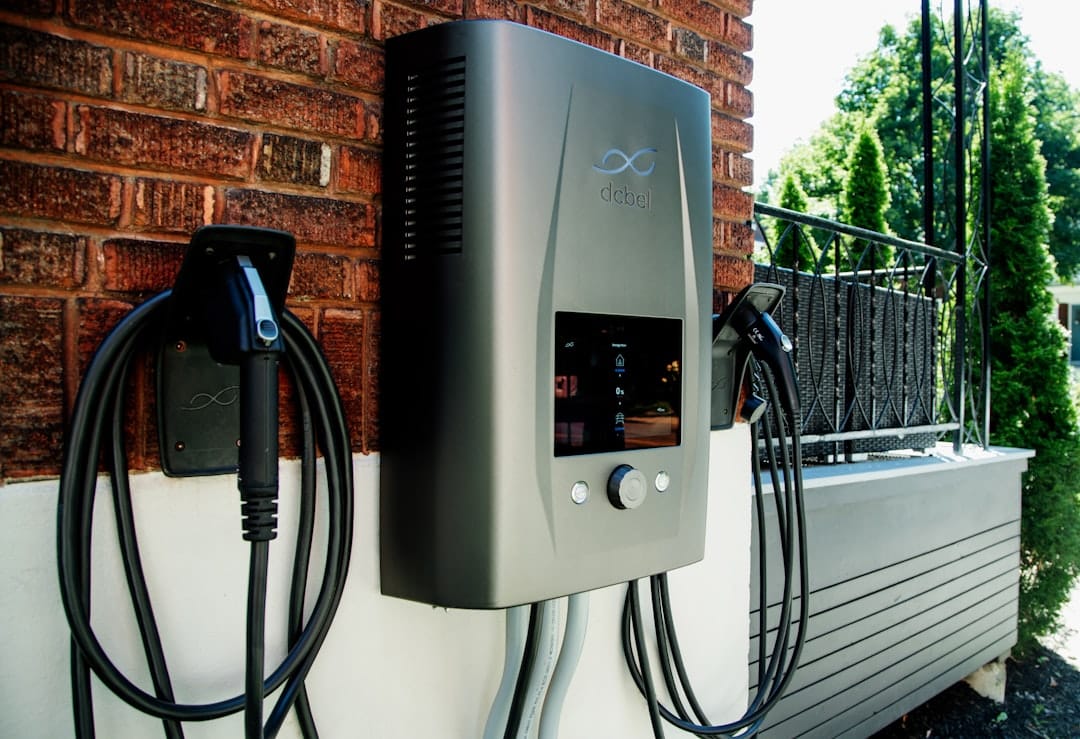
A *car charging station for home can completely change the way you live with your electric vehicle, turning every night into a stress‑free refuel instead of a rushed stop at a public charger. When you wake up to a full battery and predictable costs, daily driving just feels easier and more in your control. In this guide, I’ll walk you through what to consider so your home setup is safe, cost‑effective, and tailored to your real‑world needs.*
Why a Car Charging Station for Home is Essential for EV Owners
Switching to an electric vehicle is an exciting step, but it brings up a big question: how will you keep it powered up? The ultimate convenience lies in having your own car charging station for home, allowing you to wake up to a full battery every single day. This guide will walk you through everything you need to know to make the right choice for your home and your EV.
Quick Answer: What You Need to Know About Home EV Charging
A car charging station for home is a Level 2 charging unit (240V) that charges your electric vehicle 6-9 times faster than a standard wall outlet. Here’s what you need:
- Level 2 charger adds 12-44 miles of range per hour vs. 4-5 miles with Level 1
- Installation costs range from $400-$700 for equipment, plus $1,500-$5,000 for professional installation
- Federal tax credit covers 30% of total costs, capped at $1,000
- Key features include amperage (32-50A), cable length (20-25 feet), and connector type (J1772 or NACS)
- Electrical requirements typically need a dedicated 240V circuit and may require panel upgrades
Here’s the thing: most EV owners charge at home because it’s substantially cheaper—roughly one-third the cost of public DC fast-charging. You know what? An overnight Level 2 charge provides about 180 miles of range, which is more than enough for most daily commutes.
Home charging offers three major benefits:
- Convenience – Your car charges while you sleep, no trips to charging stations
- Cost savings – Charging at home costs about $6 for a 200-mile range at average electricity rates
- Property value – EV-ready homes are increasingly attractive to buyers
Let me explain why this matters for Utah homeowners specifically. With more electric vehicles on Weber County roads every year, having a reliable home charging setup isn’t just convenient—it’s becoming essential. Whether you’re a first-time EV owner in Ogden or upgrading your Layton home’s electrical system, understanding your charging options helps you make smart decisions.
The good news? Modern Level 2 chargers are safer, smarter, and more affordable than ever. Many include Wi-Fi connectivity for scheduling charges during off-peak hours, which can save you even more money on your electricity bill.
Your Complete Guide to a Car Charging Station for Home
This section breaks down the essential information you need, from understanding charging speeds to navigating the installation process and costs. Let’s dive in.
Understanding Charging Levels: Level 1 vs. Level 2
Not all charging is created equal. For home use, you’re really choosing between two main options.
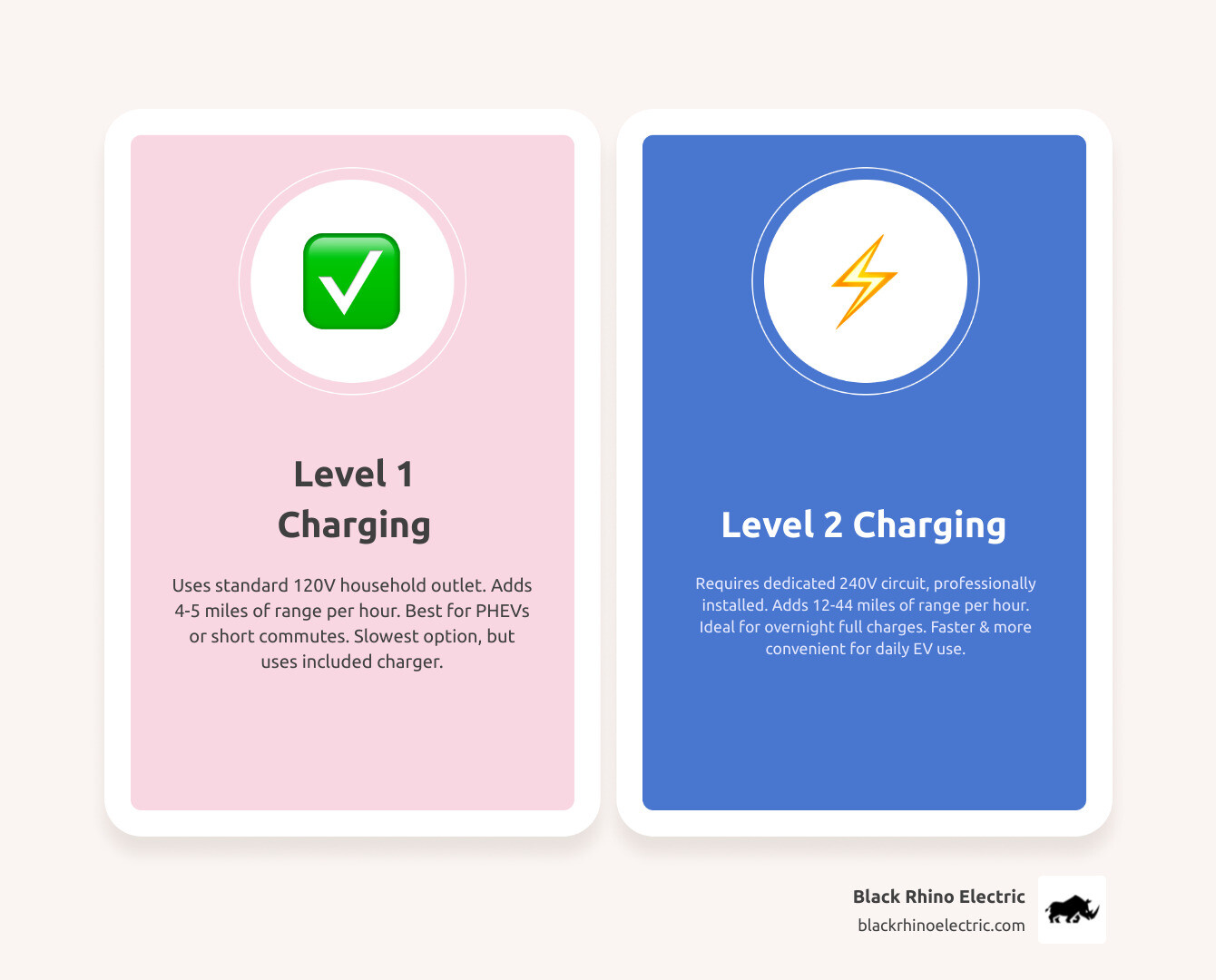
- Level 1 Charging: This uses a standard 120V household outlet. Most EVs include a portable Level 1 cord. It’s slow, adding only 4-5 miles of range per hour. Honestly, it’s best for plug-in hybrids (PHEVs) or as a backup.
- Level 2 Charging: This is the sweet spot for home charging. Using a 240V outlet (like an electric dryer), a Level 2 charger adds 12-44 miles of range per hour. This means you can easily get a full charge overnight. It requires professional installation but is the recommended solution for nearly all EV owners in Ogden and Weber County for reliable, efficient charging. You can explore options for the Best Level 2 EV Charger for Home.
- DC Fast Charging (Level 3): You’ll find these at public stations. They are not practical or available for home installation due to extreme power requirements and cost.
Key Factors for Choosing Your Home EV Charger
Once you decide on a Level 2 charger, consider these key factors.
- Amperage (32A, 40A, 48A): Higher amperage means faster charging. A 40-amp charger needs a 50-amp circuit, following the 80% rule for continuous loads. Your home’s electrical capacity will determine what’s feasible.
- Cable Length: Most cables are 20-25 feet. We recommend a 25-foot cable for maximum flexibility, ensuring you can reach your car’s port no matter how you park.
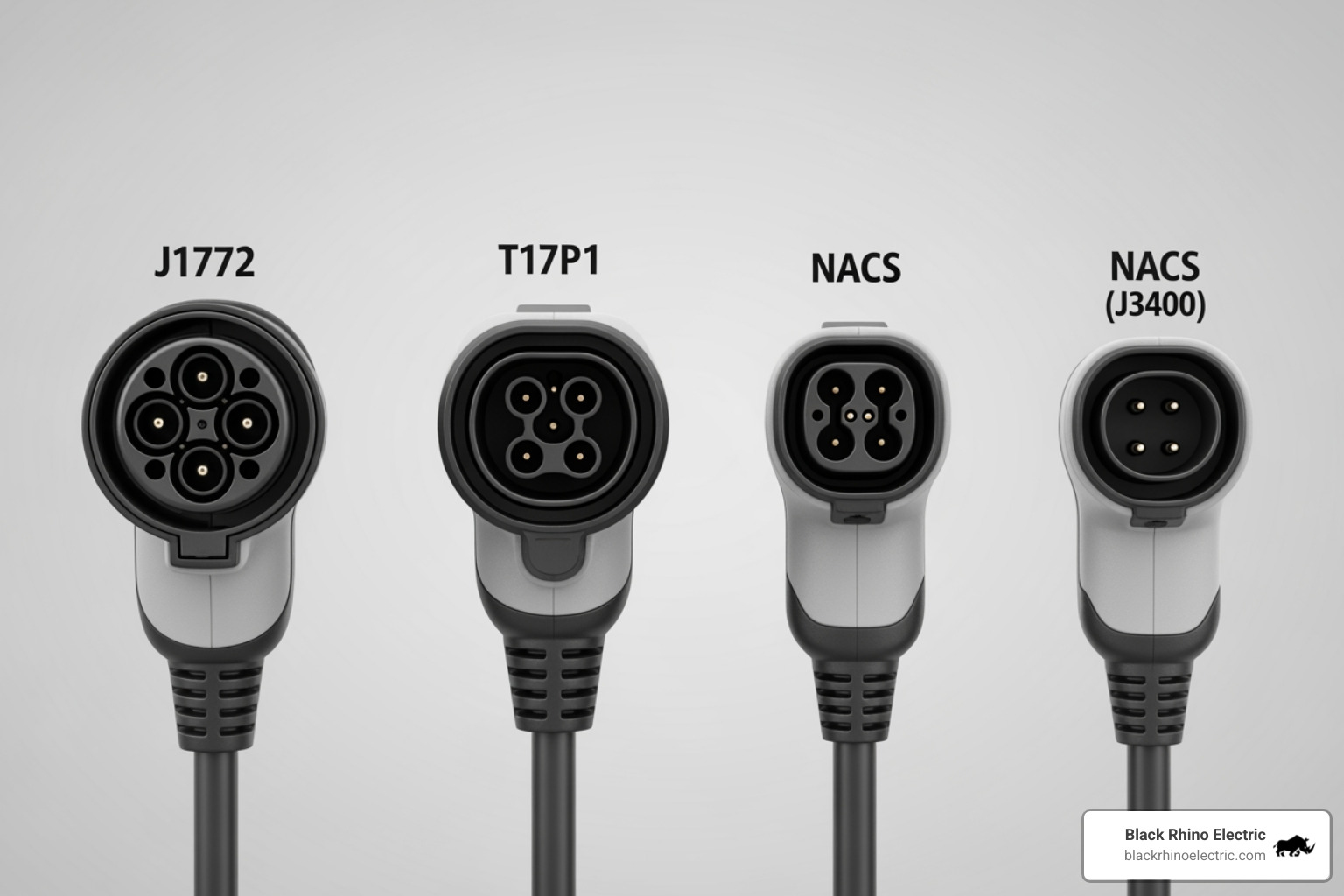
- Connector Type: J1772 vs. NACS/J3400: The J1772 is the standard for most EVs, while NACS is Tesla’s connector (now being adopted by others). Don’t fret! Adapters make it easy to connect any car to any charger.
- Outdoor Rating: For outdoor installations, look for a NEMA 3R or NEMA 4 rating to ensure it’s weatherproof against rain, sleet, and snow.
- EVSE vs. Onboard Charger: Here’s a common misconception: the wall unit is the EVSE (Electric Vehicle Supply Equipment), which delivers AC power. Your car has an onboard charger that converts it to DC power for the battery. Your car’s onboard charger determines the maximum charging speed, regardless of the EVSE’s power.
The Installation Process: Electrical Needs and What to Expect
Installing a Level 2 charger involves your home’s electrical system, and getting it right is crucial for safety.
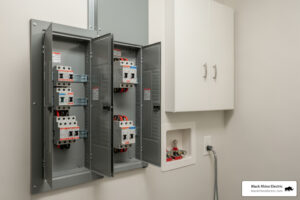
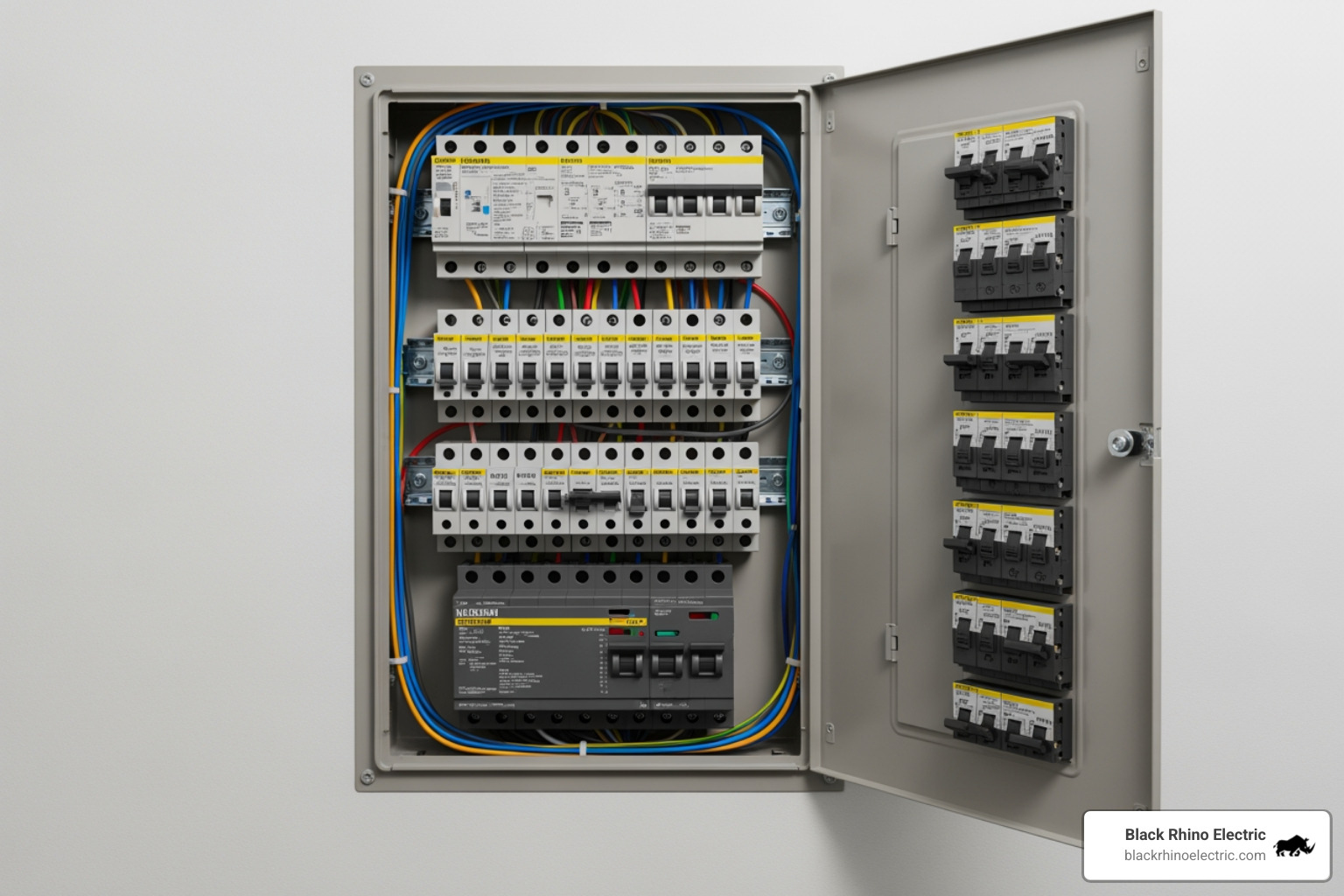
- Electrical Panel Capacity: A Level 2 charger needs a dedicated 240V circuit. An electrician must perform a load calculation to see if your home’s main panel (often 100A or 200A) can handle it. If not, you may need a service upgrade, a common service we provide for homeowners in Weber County.
- Plug-in vs. Hardwired Installation: You have two options for connecting your charger.
| Feature | Plug-in Installation (NEMA 14-50) | Hardwired Installation |
|---|---|---|
| Portability | Charger can be unplugged and moved | Charger is permanently affixed and wired |
| Power | Typically capped at 40A | Can support higher power, up to 80A if service allows |
| Outdoor Use | Requires an outdoor-rated outlet and enclosure | Often preferred for outdoor use as it’s more weather-sealed |
A hardwired installation is often recommended for reliability and higher power.
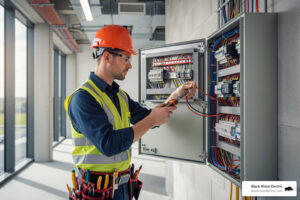
- Finding a Qualified Electrician: This is not a DIY project. Installation must comply with the National Electrical Code (NEC) and local regulations. Hiring a certified electrical contractor is non-negotiable for safety and compliance. Learn more in our guide on Why You Need a Certified Electrician for EV Charger Installation.
- Permitting and Local Codes: Installation typically requires a permit from your local city. Our team at Black Rhino Electric handles the permitting process in Ogden, Roy, and surrounding areas to ensure a hassle-free installation.
Costs, Credits, and Savings: The Financial Side of Home Charging
While there’s an upfront investment, home charging pays off. Let me explain.
- Equipment & Installation Cost: The charger itself typically costs $400-$700. Professional installation can range from $1,500 to $5,000, depending on factors like the distance from your panel and whether an upgrade is needed. See our article on the Cost to Install EV Charger for details.
- Home vs. Public Charging: Honestly, this is a game-changer for your budget. Home charging is about one-third the cost of public DC fast-charging. Charging a 200-mile range EV at home can cost as little as $6.
- Incentives and Credits:
- Federal Tax Credit: A federal tax credit covers 30% of the total cost (equipment and installation), capped at $1,000.
- Local Rebates: Check with your Utah utility provider for additional rebates or discounts.
- Long-Term Savings: With electricity being far cheaper than gasoline, the long-term savings are substantial. You’re not just buying convenience; you’re making a smart financial investment.
Smart Chargers and Advanced Features
A “smart” charger with Wi-Fi offers a new level of control and cost management.
- Mobile App Control: Start, stop, and monitor charging from your phone.
- Scheduled Charging: Set your charger to run during off-peak hours when electricity is cheapest, a huge money-saver.
- Energy Tracking: Monitor your electricity usage and costs for each charging session.
- Voice Assistant Integration: Control your charger with voice commands via Amazon Alexa.
- Load Management: Some chargers, like this Emporia unit, can automatically adjust charging speed to avoid overloading your home’s electrical panel, potentially saving you from a costly service upgrade.
Safety First: Certifications for Your Car Charging Station for Home
When dealing with high-power equipment, safety is non-negotiable.
- UL Listed Certification: Always choose a charger that is “UL Listed.” This means it has been rigorously tested by Underwriters Laboratories for fire and electrical safety hazards. It’s the gold standard.
- ENERGY STAR Label: An ENERGY STAR label means the charger is energy-efficient, using 40% less power in standby mode. This saves money and is better for the environment.
- NEC Compliance: All installations must follow the National Electrical Code (NEC), which has specific safety rules for EV chargers. This is why professional installation is essential. To learn what to look for, check out our guide on EV Charger Electricians: What You Should Know Before Hiring.
Get Charged Up with Professional Installation
Choosing and installing a car charging station for home is a significant upgrade that adds immense value and convenience to your EV ownership. While understanding the options is the first step, the most critical part is ensuring a safe, code-compliant installation. Honestly, this is not a DIY project.
For homeowners in Ogden and throughout Weber County, a professional installation guarantees your system is optimized for performance and safety. The team at Black Rhino Electric has the expertise to assess your electrical system, recommend the right setup, and handle the entire process seamlessly. Ready to make charging at home a reality? Give us a call at 801-810-4292 or Request a Free Quote online today to get started with your Residential EV Charger Installation Electrician.