The silent network of wires in your home is the unsung hero of modern comfort, but what if it poses a hidden danger? Using a comprehensive home electrical inspection checklist is the most effective first step towards ensuring your family’s safety and preventing costly, unexpected repairs. This guide empowers you with the knowledge to spot potential issues before they become emergencies.
We will break down the inspection process into clear, manageable steps, covering everything from the main electrical panel to the outlets in every room. You will learn how to identify common warning signs, understand the function of critical safety devices like GFCIs and AFCIs, and recognize when it’s time to call in a professional for a thorough evaluation. Think of this as your roadmap to electrical peace of mind.
Honestly, you don’t need to be an electrician to conduct a basic visual review. This checklist will guide you through what to look for, what simple tests you can perform, and how to assess the overall health of your electrical system. We'll cover ten critical areas, including your circuit breakers, wiring condition, surge protection, and even readiness for modern upgrades like an EV charger. Let's get started on securing your home’s electrical foundation.
Contents
- 1 1. Main Electrical Panel and Circuit Breaker Inspection
- 2 2. Ground Fault Circuit Interrupter (GFCI) and Tamper-Resistant Outlets
- 3 3. Electrical Wiring Type and Condition Assessment
- 4 4. Outlet and Switch Functionality and Spacing
- 5 5. Surge Protection and Whole-Home Surge Suppressors
- 6 6. EV Charger Installation Readiness and Circuit Capacity
- 7 7. Ground System and Bonding Verification
- 8 8. Smoke and Carbon Monoxide Detector Installation and Testing
- 9 9. Lighting Fixtures and Ceiling Fan Installation Safety
- 10 10. Code Compliance and Permit Documentation Review
- 11 10-Point Home Electrical Inspection Comparison
- 12 Your Next Step for a Safer Northern Utah Home
1. Main Electrical Panel and Circuit Breaker Inspection
The main electrical panel is the central nervous system of your home's electrical grid. It’s the origin point for every circuit, managing the flow of power to your lights, appliances, and outlets. This first item on our home electrical inspection checklist is arguably the most critical, as the health of your panel dictates the safety and capability of your entire system.
What the Inspection Covers
An inspector or a certified electrician will thoroughly evaluate your panel for several key factors. They assess its age and overall condition, looking for signs of rust, corrosion, or water damage, which can compromise its integrity. They also verify the panel's amperage capacity. While older homes in Northern Utah might have 60-amp panels, modern households typically require at least 100 amps, and often 200 amps, to safely handle today's electrical demands like EV chargers and smart home technology.
Proper labeling of circuits is another crucial checkpoint. A clearly mapped panel makes it simple to shut off power for maintenance and emergencies. Most importantly, the inspection will identify outdated or dangerous panels, such as certain Federal Pacific Electric (FPE) or Zinsco models, which are notorious for failing to trip during an overcurrent event, creating a significant fire risk.
Expert Insight: Think of your electrical panel like the foundation of a house. If it's undersized, outdated, or damaged, any additions or upgrades you make to the rest of the system will be built on unstable ground.
Actionable Homeowner Tips
- Document and Photograph: Before an inspection, take a clear photo of your panel's circuit directory. If it’s poorly labeled, work with your electrician to create an accurate map. This is invaluable for future troubleshooting.
- Plan Ahead for Upgrades: Are you considering a kitchen remodel or installing an EV charger? Budget for a potential panel upgrade simultaneously. Addressing this foundational element first prevents future complications and expenses.
- Keep Records: Store all inspection reports and records of electrical work. This documentation is essential for insurance purposes and adds significant value when selling your home.
This foundational check ensures your system's core can handle your lifestyle safely. If you have concerns about an old panel or are planning major upgrades, understanding the condition of your breakers and panel is the essential first step. For a deeper dive into panel safety and upgrades, you can learn more about professional breaker and panel services to see what options are available.
2. Ground Fault Circuit Interrupter (GFCI) and Tamper-Resistant Outlets
Beyond the main panel, specialized outlets are a crucial layer of defense against electrical hazards. Ground Fault Circuit Interrupter (GFCI) outlets are designed to prevent electric shock in areas where electricity and water might meet, while tamper-resistant outlets add a layer of safety for homes with children. This element of our home electrical inspection checklist focuses on these life-saving devices, ensuring they are present where required and functioning correctly.
What the Inspection Covers
An electrician will systematically check for GFCI protection in all locations mandated by the National Electrical Code (NEC), including bathrooms, kitchens, garages, outdoor areas, and unfinished basements. This is a common issue found in older Utah homes, which may not meet modern safety standards. The inspection involves using a special tester to verify that each GFCI outlet trips, or shuts off power, within milliseconds of detecting a ground fault.
For tamper-resistant outlets, the inspector confirms they are installed in all required accessible locations, which is a standard for new construction. These outlets feature an internal shutter mechanism that prevents foreign objects from being inserted. This is particularly important for properties being prepared for resale, where bringing outlets up to current code is often necessary. The check also ensures that circuits for specific high-risk installations, like a hot tub or pool pump, are properly GFCI-protected.
Expert Insight: A GFCI outlet doesn't just protect the one receptacle you see. A single "master" GFCI outlet, when wired correctly, can protect several standard outlets downstream on the same circuit, providing a cost-effective safety upgrade.
Actionable Homeowner Tips
- Test Monthly: Get in the habit of testing every GFCI outlet once a month. Simply press the "TEST" button to cut power and then the "RESET" button to restore it. If it doesn't trip, it needs to be replaced immediately.
- Prioritize Upgrades: When renovating a kitchen or bathroom, ensure that adding or upgrading to GFCI outlets is a top priority. This is not just a suggestion; it's a modern safety requirement.
- Protect Your Family: If you have young children or grandchildren who visit, upgrading accessible outlets to tamper-resistant models is one of the most effective and affordable electrical safety improvements you can make.
Ensuring your home is equipped with functioning GFCIs and tamper-resistant outlets is a fundamental step in preventing electrical shocks and accidents. These devices are the frontline defenders in the most vulnerable areas of your home.
3. Electrical Wiring Type and Condition Assessment
The wiring snaking through your walls and ceilings is the highway system for your home's electricity. Its type, age, and condition directly impact safety and performance. This essential part of our home electrical inspection checklist examines these pathways to ensure they are robust and free from hazards, protecting your property from the significant risks associated with faulty wiring.
What the Inspection Covers
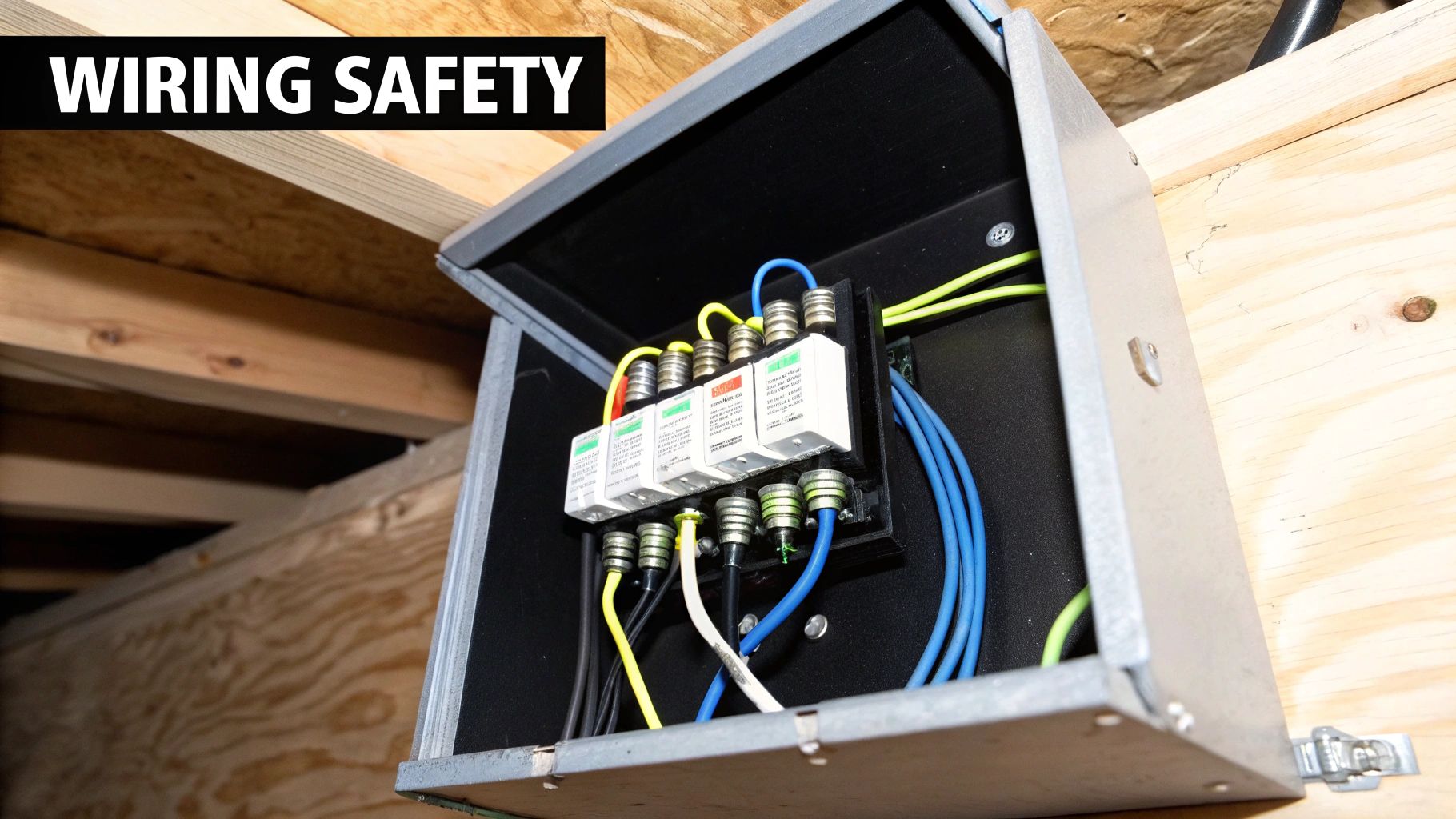
An electrician will identify the types of wiring used throughout your home, from modern Romex (NM cable) to outdated and hazardous systems. A primary focus is on identifying archaic wiring like knob-and-tube or, more commonly in older Utah homes, aluminum wiring. Both are considered significant fire hazards and often require complete replacement to meet modern safety standards and insurance requirements.
The inspection also involves a physical assessment of visible wiring for damage. This includes looking for cracked, frayed, or brittle insulation, animal-related damage, and improper connections at junctions. The electrician will also verify that the wire gauge is appropriate for the circuit's amperage, a critical check to prevent overheating. For instance, discovering that undersized 14-gauge wire was used for a 20-amp circuit powering a kitchen appliance is a common but dangerous finding.
Expert Insight: Outdated wiring is one of the most common "deal-breakers" in real estate transactions. Addressing it proactively not only enhances your family's safety but also preserves your home's value and insurability.
Actionable Homeowner Tips
- Prioritize Replacement: If an inspection reveals aluminum or knob-and-tube wiring, make its replacement a top priority. Do not delay this critical safety upgrade.
- Combine with Remodels: Planning a renovation? That's the perfect time to address wiring issues. Rewiring while walls are open is far more efficient and cost-effective than doing it as a standalone project.
- Know Your Gauges: For any DIY projects, understand wire gauge basics: 14-gauge wire is for 15-amp circuits (lighting), 12-gauge for 20-amp circuits (outlets), and 10-gauge for 30-amp circuits (dryers, water heaters). When in doubt, always consult a professional.
A thorough wiring assessment ensures the pathways delivering power to your devices are safe, secure, and up to code. It's a non-negotiable step for older homes and a wise check for any property.
4. Outlet and Switch Functionality and Spacing
Every outlet and light switch in your home is a direct interface with the electrical system. These access points must be safe, functional, and conveniently located. This crucial part of our home electrical inspection checklist evaluates not just whether a switch turns on a light, but also ensures the underlying wiring is correct and the placement meets modern safety and convenience standards.
What the Inspection Covers
An electrician will systematically test every accessible outlet and switch. For outlets, they use a specialized tester to check for proper grounding, correct polarity (ensuring the hot and neutral wires aren't reversed), and secure connections. They also look for physical damage like cracks, missing faceplates, or loose fittings. Switches are tested to confirm they operate the intended fixtures without flickering or delay.
A significant part of this inspection involves verifying spacing requirements as mandated by the National Electrical Code (NEC). For instance, general living areas require an outlet so that no point along a wall is more than six feet from a receptacle. In kitchens, countertop outlets must be spaced no more than four feet apart to accommodate appliances without hazardous extension cords. The inspection identifies areas that fall short of these crucial safety and usability codes.
Expert Insight: Think of proper outlet spacing as your home's built-in safety net against extension cord dependency. Over-reliance on extension cords is a leading cause of electrical fires. Adhering to code isn't just about compliance; it's about eliminating everyday risks.
Actionable Homeowner Tips
- Map Your Needs: Before a remodel, walk through the room and visualize where you'll place furniture, lamps, TVs, and computers. Share this plan with your electrician to ensure outlets are installed exactly where you need them.
- Invest in an Outlet Tester: For a few dollars, you can buy a simple three-prong outlet tester. It’s an easy way for you to periodically check for common wiring issues like an open ground or reversed polarity between professional inspections.
- Prioritize High-Use Areas: If you're on a budget, focus on upgrading outlets and switches in the most-used areas first, like the kitchen, home office, and bathrooms. Adding GFCI protection and extra outlets here provides the biggest safety and convenience boost.
Ensuring your outlets and switches are correctly wired and spaced is fundamental to a safe and functional home. If your older home has long, outlet-free walls or you're constantly searching for a free plug, it's a clear sign that an electrical review and upgrade is in order.
5. Surge Protection and Whole-Home Surge Suppressors
Voltage surges are sudden, powerful spikes in your home's electrical current. While often associated with dramatic events like lightning strikes, most surges are internal, caused by large appliances cycling on and off. Protecting your sensitive electronics from this hidden threat is a key part of any modern home electrical inspection checklist, preventing costly damage to everything from your smart TV to your EV charger.
What the Inspection Covers
During an inspection, an electrician will evaluate your home's existing surge protection, or lack thereof. They will check for a whole-home surge suppressor installed directly at your main electrical panel. This device acts as a gatekeeper, diverting major external surges from sources like the utility grid or lightning before they can enter your home's circuits.
The inspector will also assess the condition and placement of point-of-use surge protectors (power strips) for individual devices. They will look for signs of wear and verify that these units are not overloaded. For homes with extensive smart technology or valuable electronics, like those in Salt Lake County, the electrician will recommend a layered approach: a whole-home unit for broad protection and quality point-of-use suppressors for sensitive equipment.
Expert Insight: Think of surge protection like a two-part security system. The whole-home suppressor is the main gate protecting your entire property, while point-of-use protectors are the individual door locks guarding your most valuable assets inside.
Actionable Homeowner Tips
- Go Beyond the Power Strip: For comprehensive protection, invest in a whole-home surge suppressor installed by a professional. This is the single most effective step to safeguard every circuit in your house.
- Check the Indicator Lights: Most quality surge protectors have an indicator light that shows they are actively protecting your devices. If this light is off or flickering, the unit has likely sacrificed itself during a surge and needs to be replaced immediately.
- Document for Insurance: Keep records and receipts for your whole-home surge protection installation. Many insurance companies offer discounts or better coverage for homes with documented, professionally installed systems.
This check ensures your expensive electronics are shielded from both dramatic and everyday electrical spikes. If your home is full of modern technology, from a home office to an entertainment system, investing in robust surge protection is a non-negotiable part of maintaining a safe and functional electrical system.
6. EV Charger Installation Readiness and Circuit Capacity
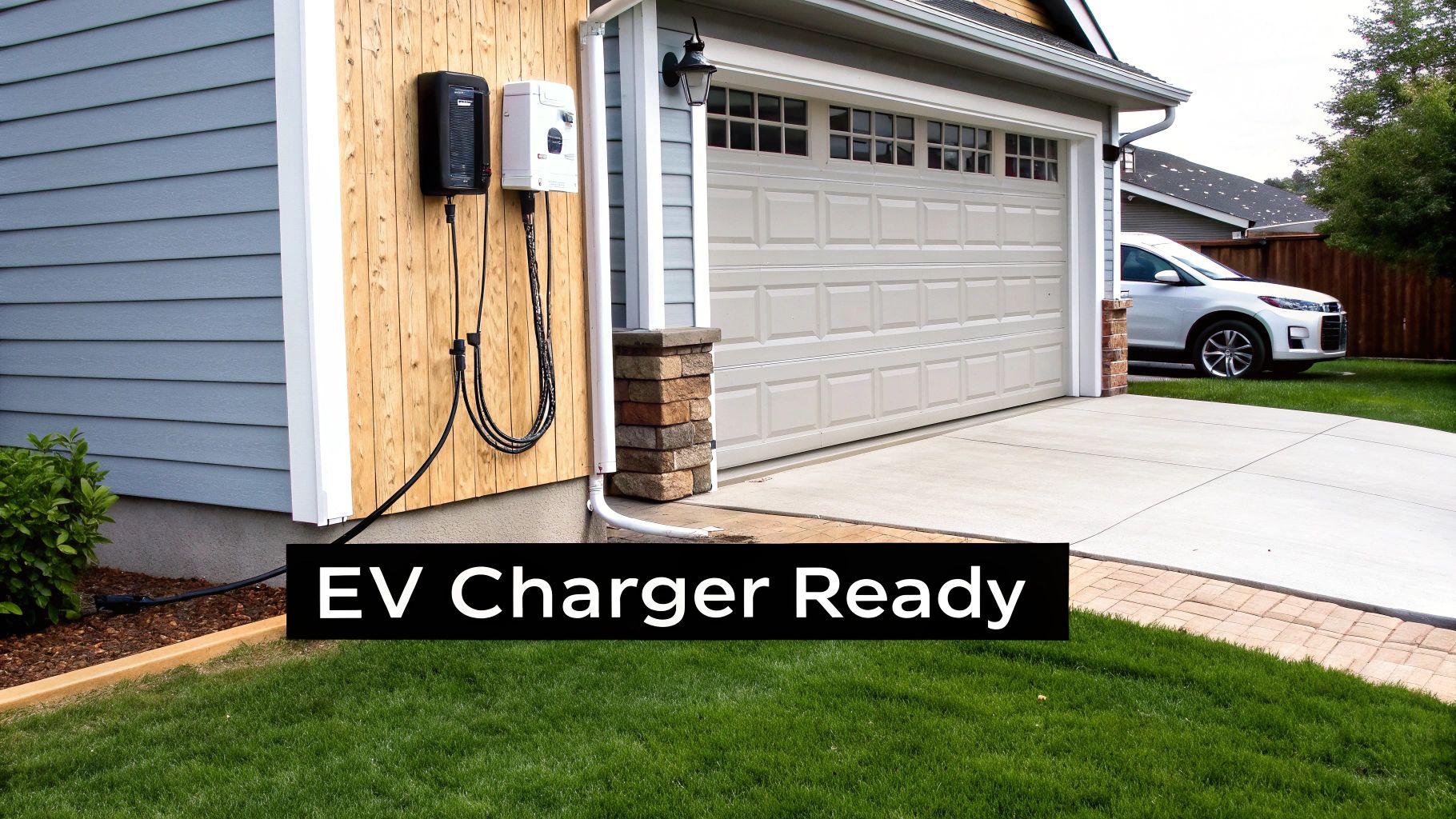
The rise of electric vehicles (EVs) in Utah is transforming how we think about home energy use. An EV charger is no longer a luxury but a common appliance, making system readiness a vital part of any modern home electrical inspection checklist. Verifying your home can safely and efficiently power a Level 2 charger is crucial before you bring your new vehicle home, preventing potential hazards and costly last-minute modifications.
What the Inspection Covers
An electrician will assess if your current electrical system can handle the significant, sustained load of an EV charger. This starts at the main panel, ensuring it has enough capacity (amperage) to support a new, high-demand circuit. A Level 2 charger, like a Tesla Wall Connector, typically needs a dedicated 240-volt circuit with a 40 to 60-amp breaker. The inspection involves checking for an available slot in your breaker box and verifying that the existing service can manage this additional load without being overwhelmed.
The electrician will also determine the best location for the charger, considering the distance from the panel. A longer distance requires a thicker, more expensive wire (lower gauge) to prevent voltage drop and ensure safety. This assessment confirms that the installation will meet both the National Electrical Code (NEC) Section 625 and the specific requirements of your charger’s manufacturer, ensuring a safe, efficient, and code-compliant setup.
Expert Insight: Adding an EV charger is like adding a new electric range or dryer that runs for hours at a time. Without a proper load calculation and dedicated circuit, you risk overloading your system, leading to tripped breakers or, in a worst-case scenario, an electrical fire.
Actionable Homeowner Tips
- Assess Before You Buy: Have your electrical system evaluated before you purchase an EV. This identifies any necessary upgrades, like a panel replacement, allowing you to budget for the full cost of installation upfront.
- Plan Your Location: Decide where you want the charger installed, usually near your primary parking spot in the garage or driveway. Knowing this helps the electrician provide an accurate quote based on the required wiring run.
- Use a Dedicated Circuit: Never share the charger's circuit with other outlets or appliances. A dedicated 240V circuit is mandatory for Level 2 chargers to ensure safety and performance, as required by UL and NEC standards.
Verifying your home is EV-ready is a proactive step that guarantees you can enjoy the convenience of at-home charging safely from day one. If you're considering an electric vehicle, a professional assessment is non-negotiable. To understand the specific requirements for your home and vehicle, you can learn more about professional EV charger installation services and ensure a seamless transition.
7. Ground System and Bonding Verification
While often unseen, the grounding system is your home's ultimate electrical safety net. This network of wires connects your electrical system directly to the earth, providing a safe path for stray electricity to travel. This vital component of any home electrical inspection checklist protects your family from electric shock and your electronics from damaging surges, making its verification a non-negotiable step.
What the Inspection Covers
An electrician will inspect the entire grounding electrode system, which usually involves a metal rod driven into the ground outside your home. They verify that this rod is intact, free from corrosion, and securely connected. The inspection also confirms proper bonding, which means ensuring all metallic systems, like water pipes and gas lines, are connected to the grounding system. This creates a unified, safe electrical plane throughout your home.
The inspector will also check for continuity. For instance, if a section of a metal water pipe was replaced with PVC, it could break the grounding path. Older homes in Utah are particularly susceptible to having inadequate or degraded grounding systems that no longer meet modern safety standards established by the National Electrical Code (NEC). A thorough check ensures that in the event of a fault, your circuit breakers will trip instantly as they are designed to do.
Expert Insight: Think of your grounding system as the emergency exit for electricity. Without a clear, unobstructed path to the ground, dangerous electrical currents can get trapped inside your home's wiring and appliances, creating severe shock and fire hazards.
Actionable Homeowner Tips
- Protect Your Pipes: If you are planning plumbing work, especially replacing old metal pipes, discuss the impact on your electrical grounding with both your plumber and an electrician. Maintaining bonding continuity is critical.
- Check for Corrosion: Periodically look at where the grounding wire connects to the rod outside your home. If you see significant rust or corrosion, it’s a sign that the connection may be compromised and needs professional attention.
- Document and Enhance: Keep a record of your grounding system's details. If you live in an area prone to lightning, ask your electrician about enhancing your system for added protection against powerful surges.
This fundamental safety check ensures your home can safely handle electrical faults. If you have an older home or have recently undergone major plumbing or structural changes, verifying your grounding and bonding is an essential step toward electrical peace of mind.
8. Smoke and Carbon Monoxide Detector Installation and Testing
While not directly part of your home's wiring circuits, hardwired smoke and carbon monoxide (CO) detectors are life-saving components integrated into your electrical system. They provide a crucial, always-on layer of protection that battery-only units can't match. Ensuring these devices are properly installed and functional is a non-negotiable part of any comprehensive home electrical inspection checklist, as their failure can have the most serious consequences.
What the Inspection Covers
An electrician will verify that your detectors meet current safety standards and local building codes. This includes confirming that hardwired smoke detectors are present on every level of the home, inside each bedroom, and outside sleeping areas. For CO detectors, the inspection ensures they are installed in homes with fuel-burning appliances (like gas furnaces or water heaters) and are placed according to manufacturer and NFPA guidelines.
The inspection also confirms that all hardwired units are properly interconnected, meaning when one alarm sounds, they all sound. This provides an immediate, whole-house alert. The electrician will test each unit's function, check the battery backup, and look for signs of age or damage. Detectors that are expired (typically after 10 years), painted over, or improperly placed will be flagged for immediate replacement.
Expert Insight: Think of interconnected, hardwired detectors as your home's emergency broadcast system. A fire in the basement should alert someone sleeping on the top floor instantly, and that's the powerful safety net that proper electrical integration provides.
Actionable Homeowner Tips
- Test Monthly, Replace Annually: Press the "test" button on every detector each month to ensure the alarm sounds. Replace the backup batteries in all units once a year, even in hardwired models. A good time to do this is when you change your clocks for daylight saving time.
- Know the Lifespan: Smoke and CO detectors don't last forever. Check the manufacture date on the back of each unit and plan to replace the entire device every 10 years (or sooner if the manufacturer recommends it).
- Map Your Coverage: Walk through your home and ensure you have adequate coverage based on today's standards. If you've finished a basement or added a bedroom without adding a new hardwired, interconnected detector, you have a critical safety gap.
Properly functioning detectors are your first line of defense against fire and carbon monoxide poisoning. If your detectors are old, missing, or you’re unsure if they're correctly interconnected, addressing this is a top priority for your family's safety.
9. Lighting Fixtures and Ceiling Fan Installation Safety
Lighting fixtures and ceiling fans are more than just functional or decorative elements; they are integral parts of your home's electrical system that require precise and secure installation. This part of our home electrical inspection checklist focuses on ensuring these common features are not just beautiful but also safely and correctly wired, mounted, and grounded to prevent electrical and physical hazards.
What the Inspection Covers
An inspector will verify that all fixtures and fans are installed according to the National Electrical Code (NEC). A key point is the junction box; a standard box isn't strong enough to support the weight and torque of a spinning ceiling fan. The inspection ensures that a fan-rated box, which is designed for dynamic loads, is securely mounted to a ceiling joist. For lighting, especially in insulated ceilings, the use of IC-rated (Insulation Contact) fixtures is checked to prevent overheating, a serious fire risk.
Wiring connections within the fixture's canopy are also scrutinized for secure, properly insulated connections. The inspector confirms that the fixture is grounded correctly and that the wattage of the light bulbs used does not exceed the fixture's maximum rating. For bathrooms, proper ventilation fan/light combos are checked to ensure they are on appropriate circuits and vented correctly to the outside.
Expert Insight: Think of a ceiling fan like a small appliance hanging over your head. An improper junction box is like using a thumbtack to hang a heavy mirror; it's not a matter of if it will fail, but when.
Actionable Homeowner Tips
- Check the Wobble: If a ceiling fan wobbles excessively, it could be a sign of loose mounting screws or imbalanced blades. Tighten the screws on the canopy and blade holders, and use a balancing kit if needed.
- Match Bulbs to Fixtures: Always check the maximum wattage rating printed on a sticker inside the light fixture. Using a higher-wattage bulb can overheat the wiring and socket, creating a fire hazard.
- Plan for Weight: When replacing a light fixture with a ceiling fan or a heavier chandelier, you will almost certainly need to replace the electrical box in the ceiling. Plan for this as part of your project budget and scope.
Properly installed lighting enhances your home's ambiance and safety. If you're upgrading old fixtures, planning a remodel, or noticing issues like flickering lights, it's wise to ensure the work is done right. To explore your options for safe and stylish illumination, you can learn more about professional lighting installation services and get an expert opinion.
10. Code Compliance and Permit Documentation Review
Ensuring your home's electrical work is up to code is not just about following rules; it's about guaranteeing safety and maintaining your property's value. This part of a home electrical inspection checklist delves into the paperwork and legal standards that underpin a safe electrical system. It confirms that past and present work meets the rigorous standards set by the National Electrical Code (NEC) and local Utah authorities.
What the Inspection Covers
A certified electrician will conduct a detailed review of your home's electrical systems against current code requirements. They identify any unpermitted work, such as a DIY-finished basement or an improperly installed hot tub circuit, which can pose significant fire and shock hazards. The inspection also involves verifying permits for major past projects, confirming that the work was officially signed off on.
The inspector will flag any deviations from the code, such as insufficient GFCI protection in required areas, improper wire gauging for a circuit's load, or outdated wiring methods that are no longer considered safe. This is especially critical during real estate transactions, as unpermitted work or code violations can derail a sale or force costly last-minute repairs.
Expert Insight: Think of permits and code compliance as your home's electrical resume. A clean record proves that all work was done professionally and safely, providing peace of mind and protecting your investment's integrity.
Actionable Homeowner Tips
- Gather Your Paperwork: Before an inspection, collect any permits or documentation you have for past electrical work. Providing these to the electrician can streamline the process.
- Act Proactively for Sales: If you're planning to sell your home, schedule a code compliance inspection well in advance. This gives you time to address any discovered issues without the pressure of a closing date.
- Always Pull a Permit: For any significant electrical project, from adding a new circuit to a full rewire, ensure you or your contractor pulls the necessary permits. This is your best assurance of compliant, safe work.
A thorough code review protects you from legal headaches, insurance denials, and most importantly, the hidden dangers of non-compliant electrical installations. If you're unsure about the status of your home's wiring or are preparing for a sale, verifying compliance is a non-negotiable step.
10-Point Home Electrical Inspection Comparison
| Item | Implementation complexity | Resource requirements | Expected outcomes | Ideal use cases | Key advantages |
|---|---|---|---|---|---|
| Main Electrical Panel and Circuit Breaker Inspection | Moderate for inspection; high if replacement/upgrade needed | Licensed electrician, panel access, diagnostic tools, possible new panel & permits | Identify capacity, safety issues, and need for upgrades | Selling, major renovations, EV charger or large-load planning | Detects fire hazards and capacity limits; informs upgrade decisions |
| Ground Fault Circuit Interrupter (GFCI) and Tamper-Resistant Outlets | Low | Basic outlet hardware, electrician/qualified installer, outlet testers | Improved shock protection and code compliance in required locations | Kitchens, bathrooms, garages, outdoor areas, homes with children | Reduces electrocution risk; inexpensive; child safety |
| Electrical Wiring Type and Condition Assessment | Moderate to high (inspection simple; rewiring complex) | Qualified electrician, inspection tools, possible wall access and rewiring materials | Determine wiring type/condition and need for repair or full rewiring | Older homes, aluminum or knob‑and‑tube wiring, remodels | Identifies concealed fire/shock hazards; guides major safety upgrades |
| Outlet and Switch Functionality and Spacing | Low to moderate | Outlet/switch testers, basic wiring tools, possible drywall work for additions | Verify operation, grounding, correct polarity, and NEC spacing | Renovations, home offices, living areas, kitchens | Improves convenience and safety; resolves polarity/ground issues at low per‑location cost |
| Surge Protection and Whole-Home Surge Suppressors | Low to moderate | Surge suppressor devices, electrician for panel installation, quality components | Reduce risk of device damage from voltage spikes; centralized protection when whole‑home | Homes with valuable electronics, smart homes, EV chargers | Protects equipment; comprehensive protection with whole‑home units |
| EV Charger Installation Readiness and Circuit Capacity | Moderate to high | Panel capacity assessment, dedicated circuit, correct gauge wire, conduit, permits; possible panel upgrade | Determine feasibility and specifications for safe Level 2 charger installation | EV owners, new construction, multi‑family charging infrastructure | Enables safe EV charging, supports warranties and property value |
| Ground System and Bonding Verification | Moderate | Specialized continuity testers, access to grounding electrodes, bonding conductors; possible excavation | Confirm grounding continuity and bonding; identify lightning/grounding deficiencies | Older homes, lightning‑exposed properties, before surge protection installs | Ensures proper operation of protection devices and reduces shock/lightning risk |
| Smoke and Carbon Monoxide Detector Installation and Testing | Low to moderate | Smoke/CO units (hardwired/interconnected), electrician for hardwiring, test equipment | Functional, code‑compliant life‑safety alarms with interconnectivity | All residences, new construction, homes with combustion appliances | Early hazard detection; relatively low cost; code required |
| Lighting Fixtures and Ceiling Fan Installation Safety | Low to moderate | Rated junction boxes, mounting hardware, electrician, appropriate wiring and supports | Secure, code‑compliant fixture/fan installations with correct ratings | Renovations, new fixtures, heavy chandeliers or ceiling fans | Prevents overheating/falls; enables safe use of modern lighting |
| Code Compliance and Permit Documentation Review | Moderate | Knowledgeable inspector/electrician, permit archives, time for documentation and reporting | Identify code violations, unpermitted work, and corrective actions; formal report | Pre‑sale inspections, refinancing, permitting and compliance audits | Ensures legal compliance, supports transactions, avoids liability and insurance issues |
Your Next Step for a Safer Northern Utah Home
Navigating your home's electrical system with a comprehensive checklist is a powerful first step toward ensuring safety, efficiency, and peace of mind. By methodically reviewing your main electrical panel, testing GFCI and AFCI outlets, assessing wiring conditions, and verifying the functionality of switches and lighting, you have taken a proactive role in protecting your property and family. This home electrical inspection checklist is more than just a list; it’s a systematic guide designed to empower you with the knowledge to spot potential hazards before they escalate into serious problems.
You now understand the critical difference between a minor flicker and a sign of failing wiring. You can recognize the importance of properly functioning smoke detectors, the value of whole-home surge protection, and the specific needs for modern upgrades like EV charger installations. You’ve learned that the safety of your home isn’t just about what you can see; it’s about the hidden components working correctly behind your walls, from the grounding system that dissipates dangerous electrical surges to the code-compliant installations that meet Northern Utah’s stringent safety standards.
From Awareness to Action: Empowering Your Home's Safety
The true value of this inspection checklist lies not just in identifying issues but in knowing when and how to act. For many homeowners, the process illuminates a simple truth: while homeowner awareness is the first line of defense, professional expertise is the ultimate safeguard.
Here are the most critical takeaways to transition from awareness to decisive action:
- Don't Ignore the Small Signs: Flickering lights, buzzing outlets, or frequently tripping breakers are not minor inconveniences; they are your electrical system’s warning signals. Acknowledging these signs is the most important step you can take.
- Prioritize Modern Safety Devices: GFCI and AFCI protection are non-negotiable in modern homes, especially in areas with moisture or where appliance cords are prone to damage. If your home lacks these devices in critical areas like kitchens, bathrooms, and laundry rooms, an upgrade should be a top priority.
- Know Your System's Limits: Understanding your main panel's capacity is crucial, especially if you're considering adding high-demand appliances or an EV charger. Overloading your system is a direct path to electrical hazards.
- Professional Inspection is an Investment, Not an Expense: You know what? Going through this checklist might feel overwhelming, and that’s perfectly okay. Here’s the thing: electrical systems are complex, and your safety is not a DIY project. An annual or bi-annual professional inspection provides an authoritative assessment that a visual check simply cannot match.
Mastering this knowledge transforms you from a passive resident into an informed homeowner. It allows you to have more productive conversations with electricians, make better decisions about upgrades and repairs, and ultimately, create a safer living environment. The real impact is the quiet confidence that comes from knowing your home’s electrical backbone is sound, secure, and ready to meet the demands of modern life safely.
The experienced, licensed electricians at Black Rhino Electric are here to provide comprehensive inspections and reliable solutions for homeowners across Weber, Davis, and Salt Lake counties. If you've spotted any of these warning signs or simply want professional assurance, give us a call at 385-396-7048 or request a free quote online to schedule your thorough home electrical inspection today. Let our team ensure your home is not just powered, but protected.