Maintaining a safe and efficient living space starts with identifying the warning signs behind common home electrical problems before they turn into expensive repairs. Honestly, most homeowners ignore a flickering bulb or a warm switch, but these minor nuisances often point to deeper system issues that could pose a fire risk. Let me explain how you can spot these hazards early and keep your household running smoothly.
Contents
Why Recognizing Common Home Electrical Problems Matters
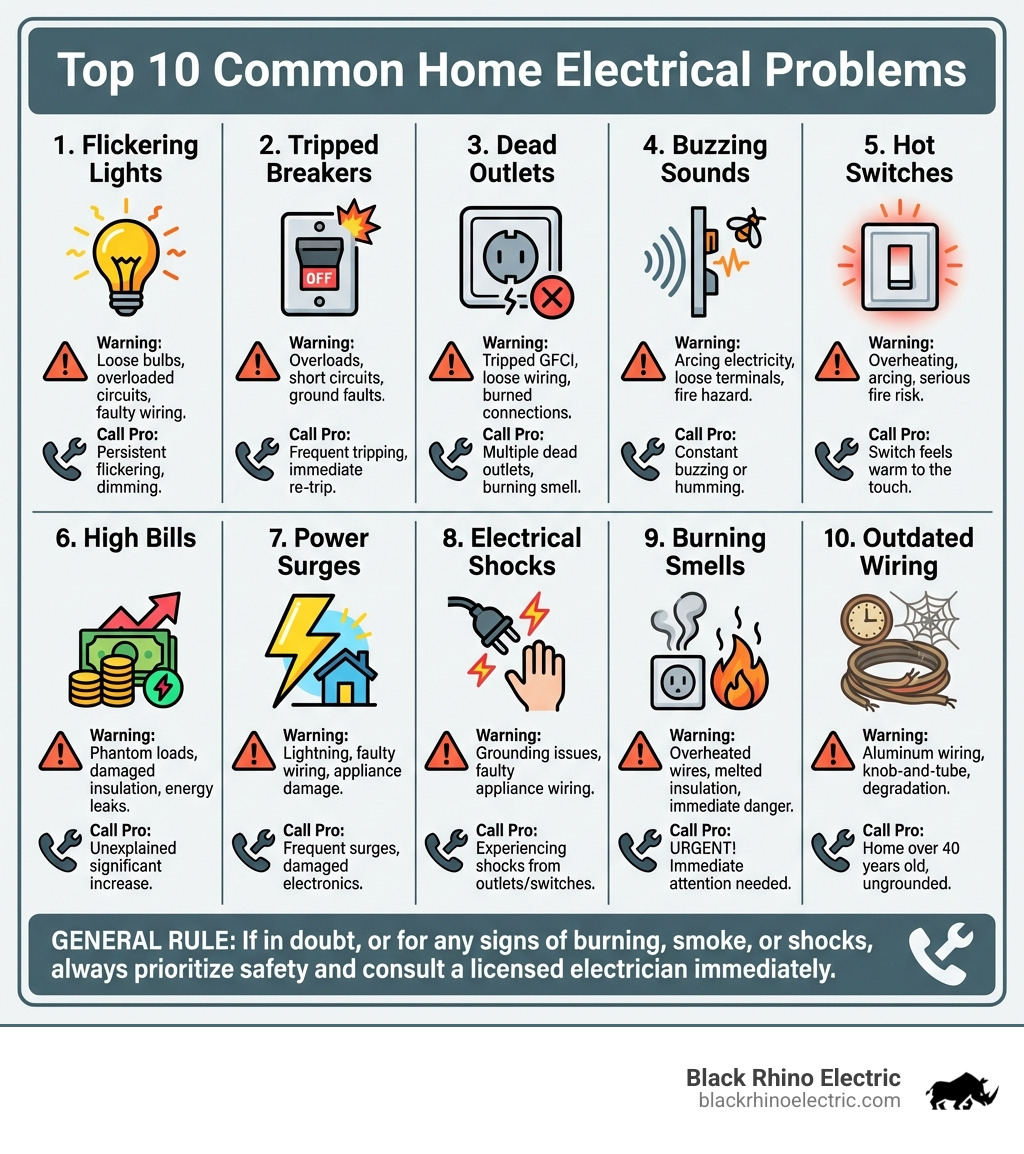
Common home electrical problems you’ll encounter in your home include:
- Flickering or dimming lights – Often caused by loose bulbs, overloaded circuits, or faulty wiring
- Tripped circuit breakers – Result from overloads, short circuits, or ground faults
- Dead outlets – Typically due to tripped GFCI outlets, loose wiring, or burned connections
- Buzzing sounds or hot switches – Indicate arcing electricity, loose terminals, or fire hazards
- High electricity bills – May signal phantom loads, damaged insulation, or energy leaks
- Electrical shocks – Point to grounding issues or faulty appliance wiring
- Burning smells or scorch marks – Urgent warning signs requiring immediate professional attention
Here’s the thing: electrical malfunctions cause more than 50,000 house fires each year according to data from the Electrical Safety Foundation International. Most of these disasters start small-a warm outlet here, a spark there-before escalating into serious safety hazards.
The good news? You can prevent most electrical emergencies by learning to recognize these warning signs early. Whether you’re a first-time homeowner renovating an older property or managing a multi-family complex, understanding these issues helps you know when to call a professional and when a simple reset will do.
You know what? Many electrical problems share common root causes like outdated wiring, overloaded circuits, or loose connections. The Consumer Product Safety Commission recommends having a professional inspect your electrical system every 10 years, though most municipalities only require inspections during renovations.
Let’s walk through the most frequent issues homeowners face and what you can do about them.
Common home electrical problems helpful reading:
Understanding Common Home Electrical Problems
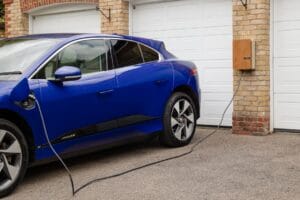
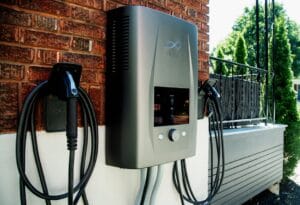
When we talk about common home electrical problems, we aren’t just talking about a minor inconvenience. We are talking about the health of your home’s “nervous system.” Most modern homes in areas like Ogden or Roy are packed with electronics, from smart fridges to EV chargers, which put a significant strain on systems that may have been designed decades ago.
Electrical malfunctions are a leading cause of residential fires. According to the National Fire Protection Association, over 50,000 house fires occur annually due to electrical issues. Many of these are preventable. The primary culprits often include:
- System Aging: Wiring insulation can become brittle over 30-40 years.
- Code Compliance: Older homes may lack Ground Fault Circuit Interrupters (GFCIs) or Arc Fault Circuit Interrupters (AFCIs) now required by the National Electrical Code (NEC).
- Physical Damage: Rodents in attics or crawlspaces can chew through insulation, creating dangerous short circuits.
Flickering Lights and Other Common Home Electrical Problems
We’ve all been there: you’re sitting in the living room, and suddenly the overhead light does a quick dance. While it might feel like a scene from a horror movie, the reality is usually more technical.
- Loose Bulbs: This is the most common and easiest fix. If the bulb isn’t seated correctly in the socket, the connection is intermittent.
- Voltage Fluctuations: If your lights flicker specifically when the dryer or AC kicks on, it usually means those large appliances are pulling too much current for the circuit to handle.
- Overlamping: This happens when you put a 100-watt bulb into a fixture rated for 60 watts. The excessive heat can melt the socket and wire insulation, which is a massive fire risk.
- Dimmer Compatibility: If you recently switched to LED bulbs but kept your old dimmer switch, you’ll likely see flickering because the old switch isn’t designed for the low voltage of LEDs.
If you are dealing with persistent strobing, check out our guide on how to fix flickering lights for deeper troubleshooting steps.
Why Common Home Electrical Problems Cause Tripped Breakers
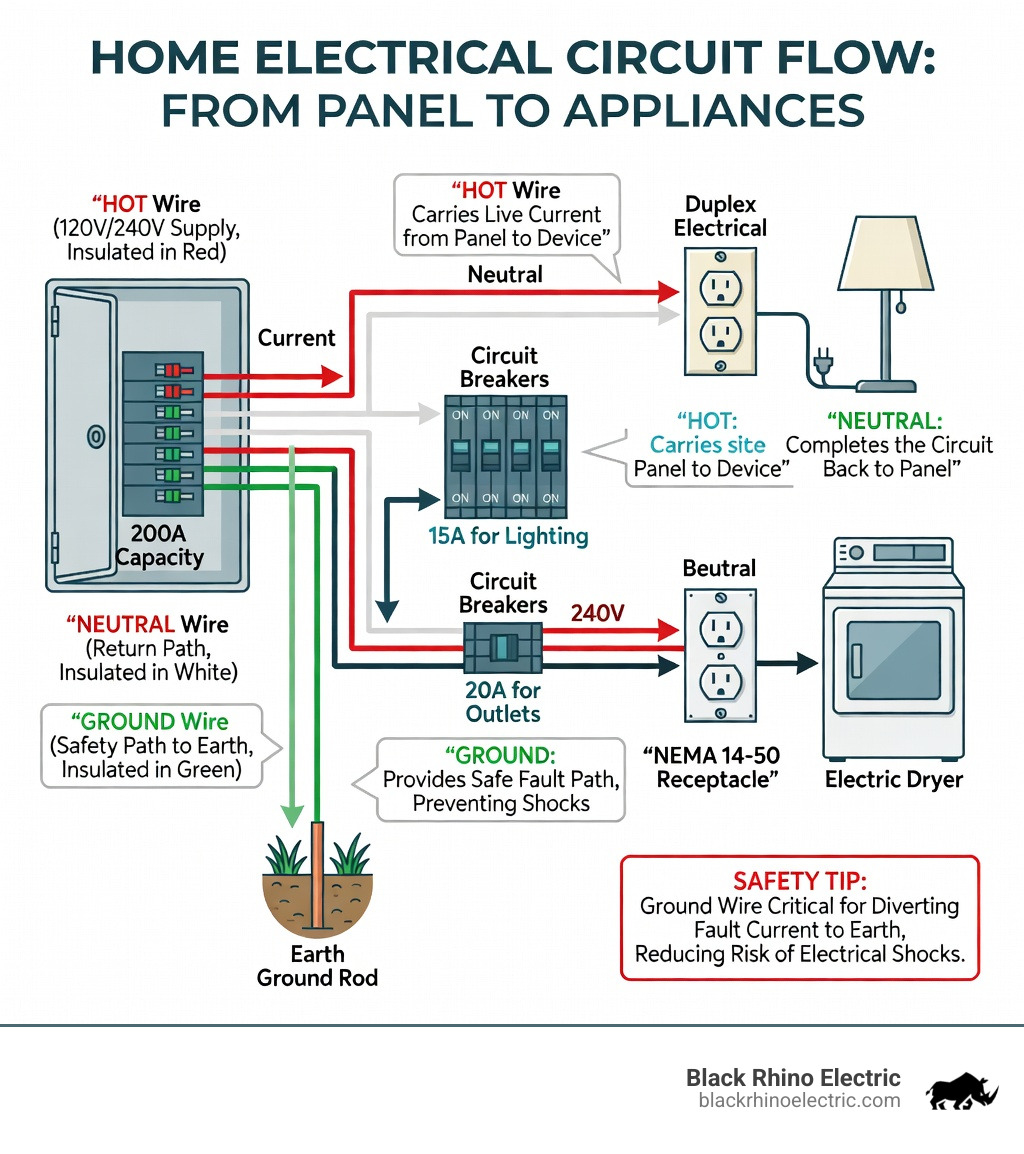
Think of your circuit breaker as a “safety valve.” It’s designed to fail-specifically, to shut off the flow of electricity-when it detects a dangerous situation. If your breaker trips frequently, it’s usually for one of three reasons:
- Circuit Overload: This is the #1 cause. You have too many high-wattage items (like a space heater and a hairdryer) running on the same circuit.
- Short Circuit: This occurs when a “hot” wire touches a neutral wire. It creates a sudden surge of heat and energy that “pops” the breaker.
- Ground Fault: Similar to a short circuit, this happens when the hot wire touches the ground wire or a grounded part of the system (like a metal box).
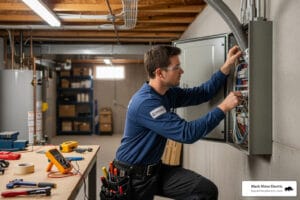
If your panel is old or the breakers feel warm to the touch, it might be time for a professional breakers panels electrician to take a look. A faulty breaker that doesn’t trip is actually more dangerous than one that does, as it won’t stop the wires from overheating and catching fire.
Top 5 Electrical Issues Every Homeowner Faces
Dealing with electricity can be intimidating. Honestly, knowing when you can handle a fix yourself and when you need to step back is the most important skill a homeowner can have.
| Problem | Potential DIY Fix | When to Call a Pro |
|---|---|---|
| Dead Outlet | Check GFCI reset button; check breaker panel. | If the outlet is charred, melted, or won’t work after a reset. |
| Flickering Light | Tighten bulb; ensure bulb wattage matches fixture. | If flickering is house-wide or happens when appliances start. |
| Tripped Breaker | Unplug high-wattage items and reset. | If the breaker trips immediately after resetting or smells like ozone. |
| Loose Plug | None (Outlet replacement required). | If you aren’t comfortable working with live wires behind the plate. |
| Warm Switch | Reduce load on the switch. | If the switch is hot to the touch or making a buzzing sound. |
Troubleshooting Dead Outlets and GFCI Issues
If an outlet stops working, don’t panic. Start by checking the GFCI (Ground Fault Circuit Interrupter) outlets in your home. These are the ones with the “Test” and “Reset” buttons, usually found in “wet” areas like kitchens, bathrooms, and garages.
Here’s a pro tip: one tripped GFCI in the garage can actually “kill” power to standard outlets in a completely different room if they are on the same circuit. Always hunt down every GFCI and hit the reset button before assuming the outlet is broken.
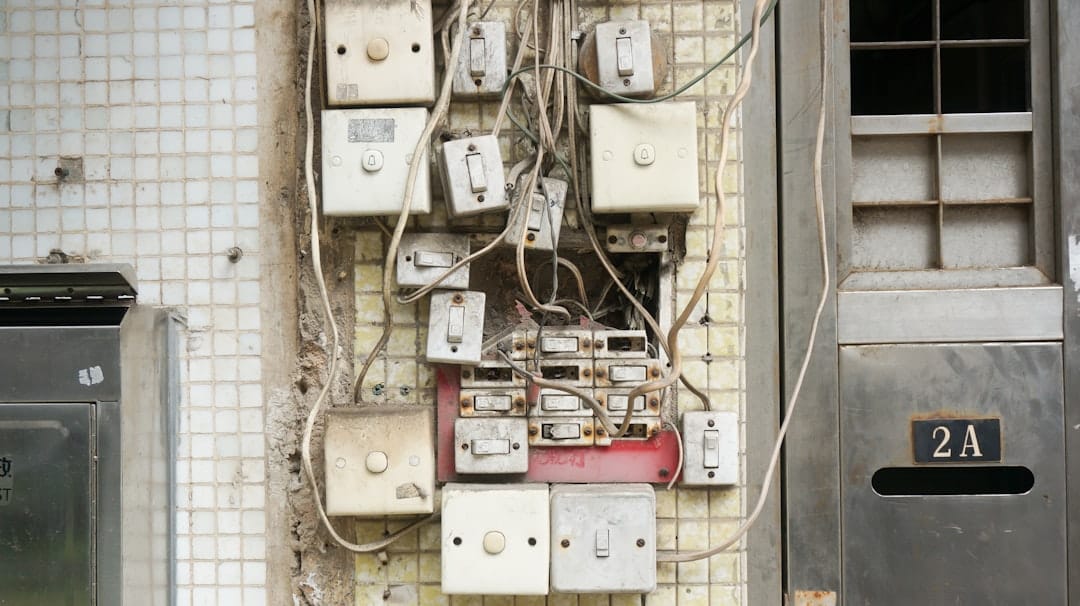
If a reset doesn’t work, the issue might be “backstabbed” wires. This is a common practice where wires are pushed into the back of an outlet instead of being screwed down. Over time, these connections loosen, causing the outlet to fail or, worse, arc and create heat. For a more detailed walkthrough, see our post on how to fix an outlet not working.
Warning Signs: Buzzing Sounds and Hot Switches
Your electrical system should be silent and cool. If you hear a buzzing or sizzling sound coming from a switch or outlet, that is the sound of arcing. Arcing is essentially electricity “jumping” across a gap because of a loose connection. This generates intense heat.
Similarly, if a switch plate or outlet feels warm to the touch, it’s a red flag. This can be caused by:
- Overloaded circuits drawing more current than the wires can handle.
- Loose terminals creating resistance.
- Mismatched wire gauges (e.g., using a wire that’s too thin for a 20-amp circuit).
If you notice discolored or charred plastic around the plug holes, stop using that outlet immediately and turn off the breaker.
High Electricity Bills and Faulty Wiring
Is your electric bill soaring despite no change in your habits? While it could be a rate hike, it could also be an electrical issue.
- Phantom Loads: Devices like chargers, TVs, and computers draw power even when turned off.
- Faulty Appliances: A failing refrigerator motor or a leaking electric water heater can work overtime, consuming massive amounts of energy.
- Damaged Insulation: If wiring insulation is damaged, “leakage” can occur, though this is often accompanied by a tripped breaker.
- Aluminum Wiring: Popular in the 60s and 70s, aluminum wiring expands and contracts more than copper. This leads to loose connections and inefficiency.
The Consumer Product Safety Commission recommends having a professional inspect your electrical system every 10 years to catch these energy vampires and safety hazards before they escalate.
When to Call a Professional Electrician
Let me explain: there is a big difference between changing a lightbulb and opening your main service panel. You should never attempt DIY fixes if you encounter the following:
- Burning Smells: If you smell something like burnt plastic or fish, it’s likely an electrical fire starting behind your walls.
- Persistent Shocks: A mild “tingle” when you touch an appliance indicates a serious grounding problem.
- Sparking: While a tiny blue spark when plugging in a device can be normal, large sparks or popping sounds are not.
- Outdated Panels: If your home still uses a fuse box or an old Federal Pacific or Zinsco panel, you are at a significantly higher risk for fire.
If you’re unsure, it’s always better to be safe. Check out the top 10 signs you need an emergency electrician to see if your situation requires immediate help.
Protecting Your Home from Electrical Hazards
At Black Rhino Electric, we know that your home is your sanctuary. We specialize in essential EV charger installations, hot tub wiring, panel replacements, and comprehensive whole home or business wiring services throughout Weber County. Whether you’re in Ogden, North Ogden, or Roy, we’ve seen every version of these common home electrical problems and know exactly how to fix them.
From ensuring your new backyard hot tub is safely grounded to upgrading your panel for a new Tesla charger, our team is committed to code-compliant, high-quality workmanship. We provide 24/7 availability for those urgent “middle of the night” emergencies because we know that electrical issues don’t follow a 9-to-5 schedule.
You know what? Keeping your home safe doesn’t have to be a DIY headache when you have local experts ready to help. If you’re dealing with persistent issues, call us at 801-810-4292 or Request a Free Quote today to ensure your system is up to code.