Thinking about upgrading your home’s electrical system? The cost of installing a new electrical panel is a major consideration for any homeowner, but it’s a crucial investment in your property’s safety and functionality. Let’s break down the real costs so you can budget effectively and avoid any surprises.
Contents
Understanding the National Average and Key Cost Components
We understand the first question on your mind is, “How much will this cost?” While the answer varies, the national average to replace an electrical panel is around $1,342, with most complete projects falling between $1,200 and $4,500. This range reflects variables like the panel’s amperage and the complexity of the job. A standard replacement can take our licensed electricians 4 to 8 hours, but if your home needs extensive rewiring or code updates, the timeline and cost will increase.
Here’s the thing: an electrical panel is the heart of your home’s electrical system. Investing in a properly installed, modern panel is about protecting your family and home. Electrical issues cause over 51,000 fires annually, a sobering statistic that underscores the importance of a safe, up-to-date system.
Typical Costs for Electrical Panel Parts and Materials
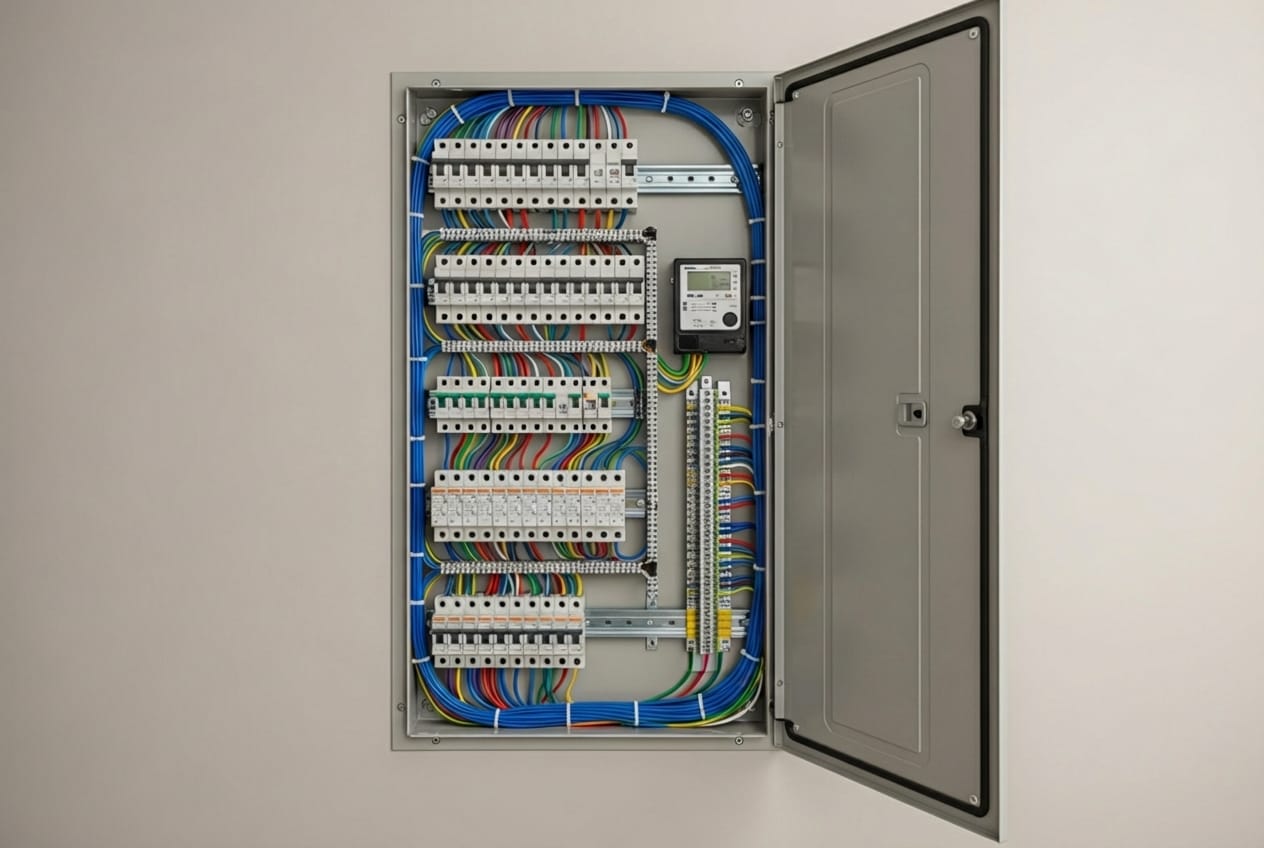
A significant portion of the cost of installing a new electrical panel goes toward the panel and its components.
- Panel Box Cost: The main panel box typically costs between $100 and $500, depending on its amperage (100A, 200A, or 400A).
- Circuit Breaker Costs: Standard breakers cost around $10 each. Advanced safety breakers like AFCIs and GFCIs, required by code in areas like kitchens and bathrooms, range from $30 to $100 each but provide superior protection against fires and shocks.
- Wiring and Conduit: If your existing setup is outdated or damaged, new wiring or conduit may be needed, which adds to the material cost.
For more details on components, explore our Breakers & Panels services.
How Much Does Labor Typically Cost?
Labor is often the largest expense, and for good reason—this is a job for skilled professionals.
- Electrician Hourly Rates: In our service areas like Ogden and Roy, licensed electricians typically charge between $65 and $120 per hour.
- Total Labor Cost: For a panel replacement, labor can range from $1,000 to $4,500, reflecting the project’s scope.
- Project Duration: A standard swap takes 4 to 8 hours. A full service upgrade with code corrections could extend to 15-40 hours.
- Pricing: At Black Rhino Electric, we provide transparent, detailed estimates so you know exactly what to expect. We can’t stress this enough: always hire a licensed and insured electrician. The risks are too high to do otherwise, as explained in our guide on Why You Should Always Hire a Licensed Electrician.
What Factors Influence the Cost of Installing a New Electrical Panel?
The final cost of installing a new electrical panel isn’t a one-size-fits-all number. When we assess a home in North Ogden or Layton, several key factors influence the price tag.
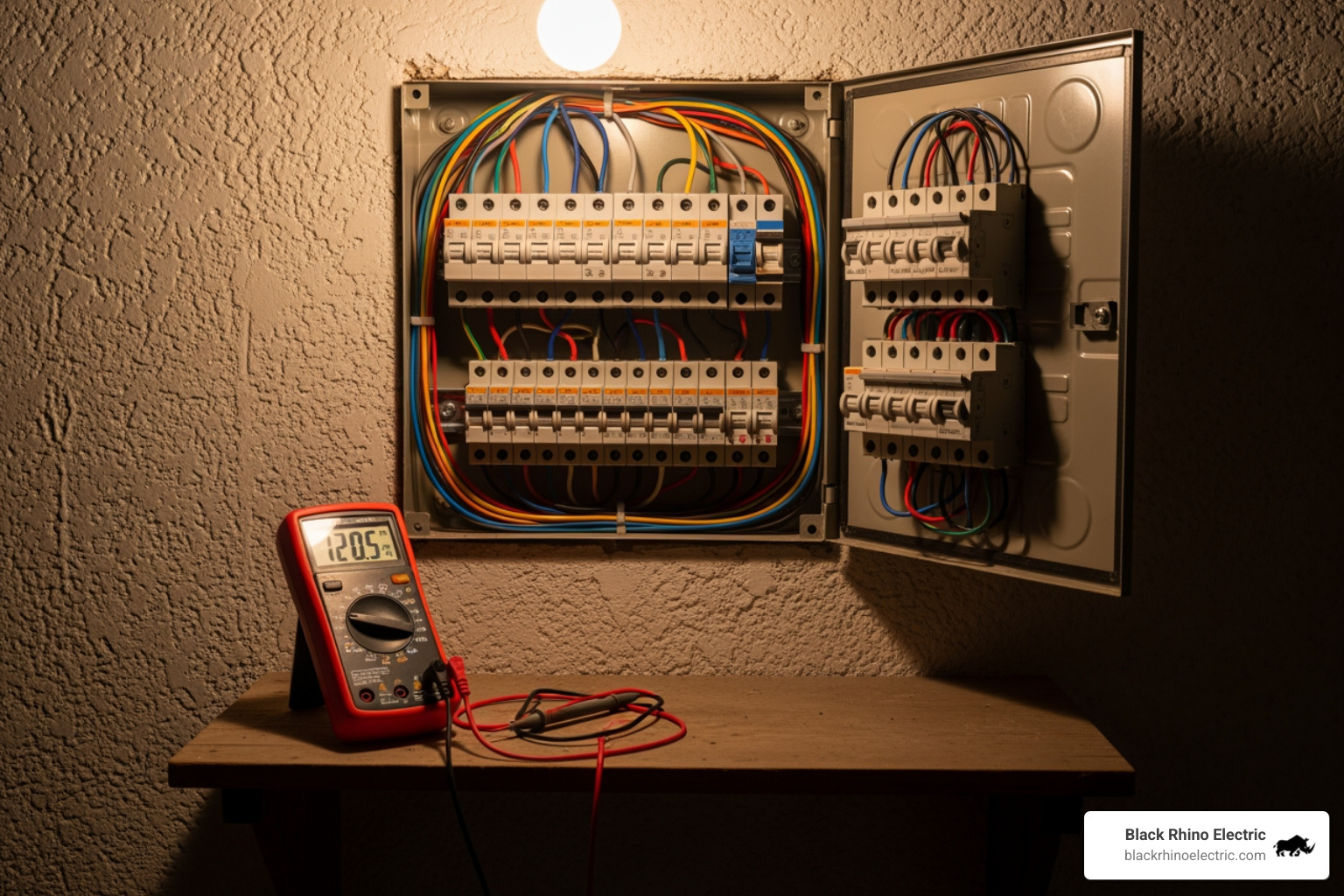
- Amperage: Upgrading to a 200-amp or 400-amp panel costs more due to the larger panel and heavier gauge wiring required.
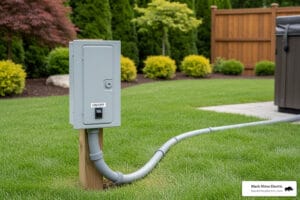
- Panel Location: Moving a panel, especially from indoors to outdoors, can add considerable costs for additional wiring, trenching, and weather-resistant enclosures.
- Home Age: Older homes often have outdated wiring (like knob and tube) that must be replaced to meet modern codes, significantly impacting the project scope.
- Wiring Condition: If we find faulty or damaged wiring connected to your panel, it must be replaced to ensure the new system operates safely.
- Code Compliance: Your new installation must meet the latest National Electrical Code (NEC) and local Utah codes. This is a non-negotiable for safety and may require additional work like installing new grounding systems or AFCI/GFCI breakers.
Breaking Down the Cost of Installing a New Electrical Panel by Amperage
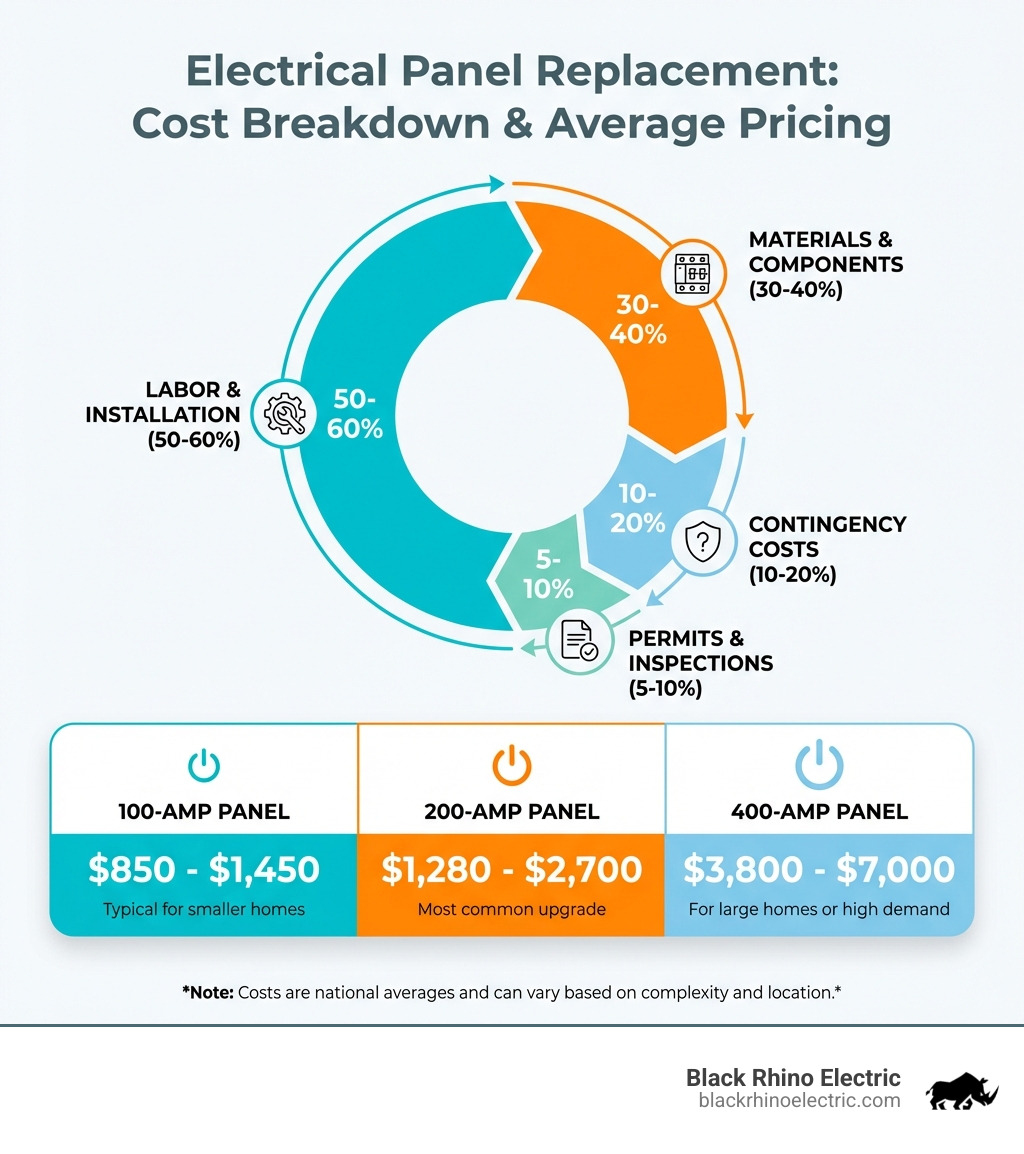
Choosing the right amperage is critical for your home’s power needs. Here’s a cost breakdown based on amperage:
- 100-Amp Panel Cost: Total installation averages $850-$1,450. This is the minimum for smaller homes, but we often recommend upgrading for future needs.
- 200-Amp Panel Cost: Total installation ranges from $1,280 to $2,700. This is the standard for most modern homes and is what we recommend for homeowners in Weber County, especially if you’re adding an EV charger or planning a renovation.
- 400-Amp Panel Cost: Total installation can cost $3,800-$7,000 or more. This is for very large homes or properties with extensive electrical demands.
Our expert electricians can perform a load calculation to determine the perfect size for your home. Learn more in our guide on How to Upgrade Your Electrical Panel.
Additional Costs That Impact the Final Cost of Installing a New Electrical Panel
- Permits and Inspections: This is a required step. Electrical permits in Weber County typically range from $50 to $300. We handle the entire process for you.
- Relocating the Panel: Moving a panel can add $800 to $4,000 to the cost, depending on the new location and wiring required.
- Drywall Repair: If we need to access wiring within walls, drywall repair may be necessary, typically costing $1.50-$3 per square foot.
- Replacing Faulty Wiring: Finding and replacing outdated wiring is a critical safety upgrade that can add $600 to $4,500 to the total cost. Learn more about the Cost to Rewire a House.
Fuse Box vs. Circuit Breaker Panel Replacement Costs
Upgrading an old fuse box is one of the best safety improvements you can make for your home.
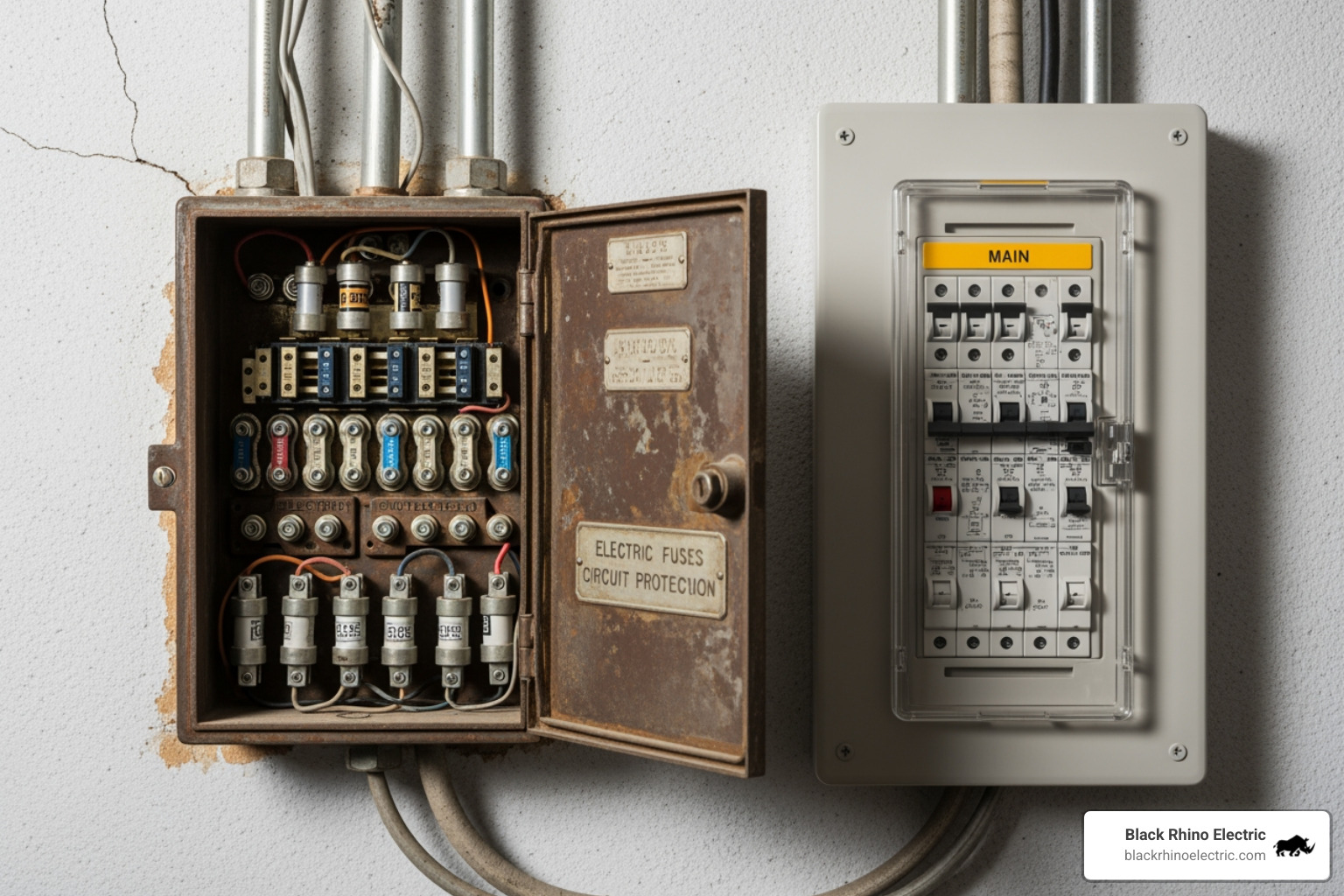
- Fuse Box Replacement Cost: The cost to replace a fuse box with a circuit breaker panel typically ranges from $1,500 to $4,500, especially if the home’s wiring also needs updating to meet modern codes.
- Circuit Breaker Benefits: Modern circuit breakers are safer and more convenient. Instead of replacing a blown fuse, you simply reset a tripped breaker. They also support advanced safety features like AFCI and GFCI protection, which fuse boxes lack.
- Reasons to Upgrade: If you have frequently blowing fuses, insufficient power, or concerns about fire hazards, it’s time to upgrade. Many insurance companies also prefer or require homes to have modern circuit breaker panels.
Making the Right Decision: When to Upgrade and How to Save
Deciding to replace your electrical panel is a significant decision, but it’s one that brings immense benefits in safety, home value, and future-proofing your property. At Black Rhino Electric, we’re here to help you understand when it’s time for an upgrade and how to manage the cost of installing a new electrical panel.
- Safety: This is paramount. An outdated or faulty panel is a fire hazard. Upgrading ensures your home meets current safety codes.
- Home Value: A new electrical panel makes your home significantly more appealing to buyers, signaling a well-maintained and safe property.
- Future-Proofing: An upgraded panel ensures your home can handle modern demands like EV chargers and smart home technology without safety concerns.
Regular electrical maintenance is also key. Learn more in our guide on Electrical Maintenance 101.
Signs It’s Time for a Replacement and How to Save Money
How do you know if your electrical panel is trying to tell you something? Recognizing these signs early can prevent more serious problems.
Signs of a Failing Panel:
- Frequent breaker trips
- Flickering or dimming lights
- Buzzing or crackling sounds from the panel
- A burning smell near the panel or outlets
- The panel or outlets are warm to the touch
- Visible rust or corrosion on the panel
- Your home has an outdated Federal Pacific or Zinsco panel
- The panel is over 25 years old
Repair vs. Replace: A simple repair, like replacing a single breaker, might cost $100-$200. However, if the repair cost exceeds $1,000 or the panel is fundamentally outdated, replacement is the safer and more cost-effective long-term solution.
Saving Money Tips:
- Look for Rebates and Tax Credits: Upgrading may qualify you for incentives. The Energy Efficient Home Improvement Credit can save you up to 30% of the project’s cost (up to $600). The EnergyStar website also has information on credits.
- Bundle Services: If you’re planning other electrical work, like installing an EV charger, bundling it with your panel replacement can save on labor costs.
- Prepare the Area: Clearing the work area around your panel before our team arrives can help reduce labor time.
- DIY Minor Tasks (Post-Installation): You can save money on tasks like drywall repair or painting after our electricians have safely completed the installation.
Investing in a new electrical panel is investing in your home’s safety and future. If you’re in the Ogden area and have questions about the cost of installing a new electrical panel, don’t hesitate to reach out to a professional. For a clear, upfront estimate from a trusted local expert, call us at 801-810-4292 or Request a Free Quote online today.