What You’re Actually Paying for When You Charge Your EV
If you’re thinking about getting an electric car—or you’ve just bought one—you’re probably wondering: charging station cost for electric cars isn’t just a one-time price tag. Between hardware, installation, permits, and potential electrical upgrades, the total can surprise you. Let’s clear up the confusion so you know exactly what to expect.
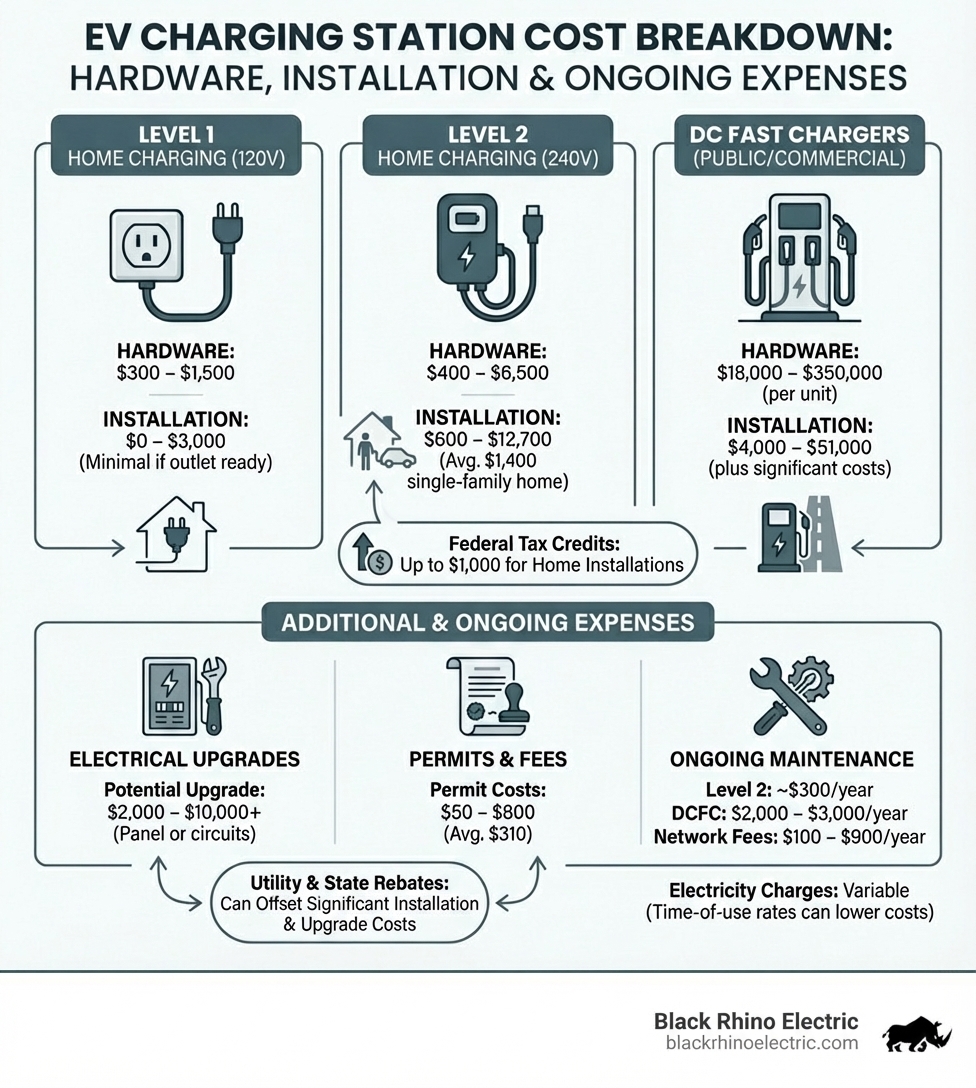
Here’s the quick breakdown of charging station cost for electric cars:
- Level 1 Home Charging: $300–$1,500 for hardware, minimal installation ($0–$3,000) if you have an outlet ready
- Level 2 Home Charging: $400–$6,500 for hardware, $600–$12,700 for installation (average around $1,400 for single-family homes)
- Commercial Level 2 Stations: $3,500–$15,000 per charger, with installation averaging $6,000 total
- DC Fast Chargers (Public): $18,000–$350,000 per unit, plus $4,000–$51,000 in installation costs
- Electrical Upgrades: Can add $2,000–$10,000+ if your panel needs an upgrade or new circuits
- Permits & Fees: Typically $50–$800, averaging around $310
- Ongoing Costs: Maintenance ($300/year for Level 2, $2,000–$3,000/year for DCFC), network fees ($100–$900/year), and electricity charges
The biggest variable? Installation complexity. If your charger is close to your electrical panel and your home can handle the load, you’ll pay far less than if you need trenching, panel upgrades, or long wiring runs.
The good news: Federal tax credits (up to $1,000 for home installations) and state or utility rebates can offset a chunk of these costs. Time-of-use electricity rates can also lower your monthly charging bill if you plug in overnight.
A Breakdown of EV Charging Costs: From Home to Highway
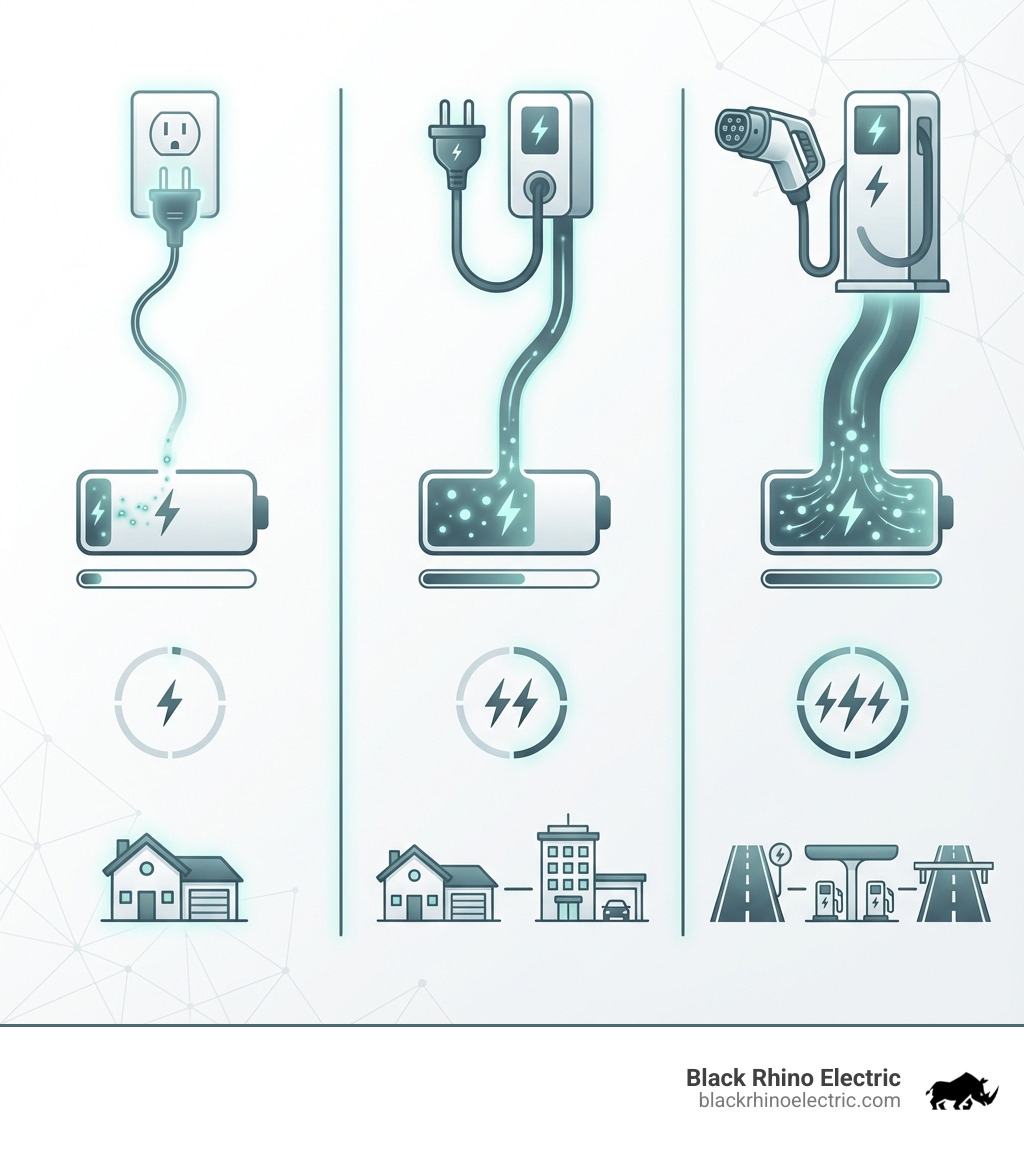
Understanding the different levels of EV charging is the first step to deciphering the costs. Each level offers varying charging speeds and requires different infrastructure, directly impacting the overall investment.
Residential Charging: The Cost of Convenience at Home
For most EV owners, charging at home is the most convenient and affordable option, with as much as 90% of charging happening overnight.
Level 1 Charger
This uses a standard 120-volt wall outlet, adding 2-5 miles of range per hour. It’s the slowest method but works for plug-in hybrids or short commutes.
- Hardware Costs: $300 to $1,500. Many EVs include a Level 1 cord, making the cost $0.
- Installation Costs: If you have a nearby outlet, installation is free. A new dedicated outlet might cost $200-$500.
Level 2 Charger
A Level 2 charger is the most popular home solution, using a 240-volt circuit like a dryer. It adds 10-20 miles of range per hour, fully charging most EVs in 4-8 hours.
- Hardware Costs: $400 to $6,500, depending on smart features and power. We recommend choosing certified, safety-rated equipment.
- Installation Costs: This is a big variable, averaging $800 to $2,500. The average for a single-family home is around $1,400, but costs depend on your electrical panel’s capacity and proximity to the charger.
Let’s compare these two common home charging options:
| Feature | Level 1 Home Charging | Level 2 Home Charging |
|---|---|---|
| Voltage | 120V (standard wall outlet) | 240V (dedicated circuit) |
| Charging Speed | 2-5 miles of range per hour | 10-20 miles of range per hour |
| Typical Charge Time | Up to 43 hours | 4-8 hours |
| Hardware Cost | $300 – $1,500 | $400 – $6,500 |
| Installation Cost (Avg.) | $0 – $500 | $800 – $2,500 |
| Best For | PHEVs, short commutes | Most EV owners, daily charging |
We specialize in essential EV charger installations for homeowners across Weber County, including Ogden and Roy. Our licensed electricians ensure your setup is safe and code-compliant. Learn more about our EV Charger Installation Electrician services.
Commercial Charging: Level 2 vs. DC Fast Chargers
Public and commercial stations are crucial for long trips and for drivers without home charging access.
Level 2 Commercial Cost
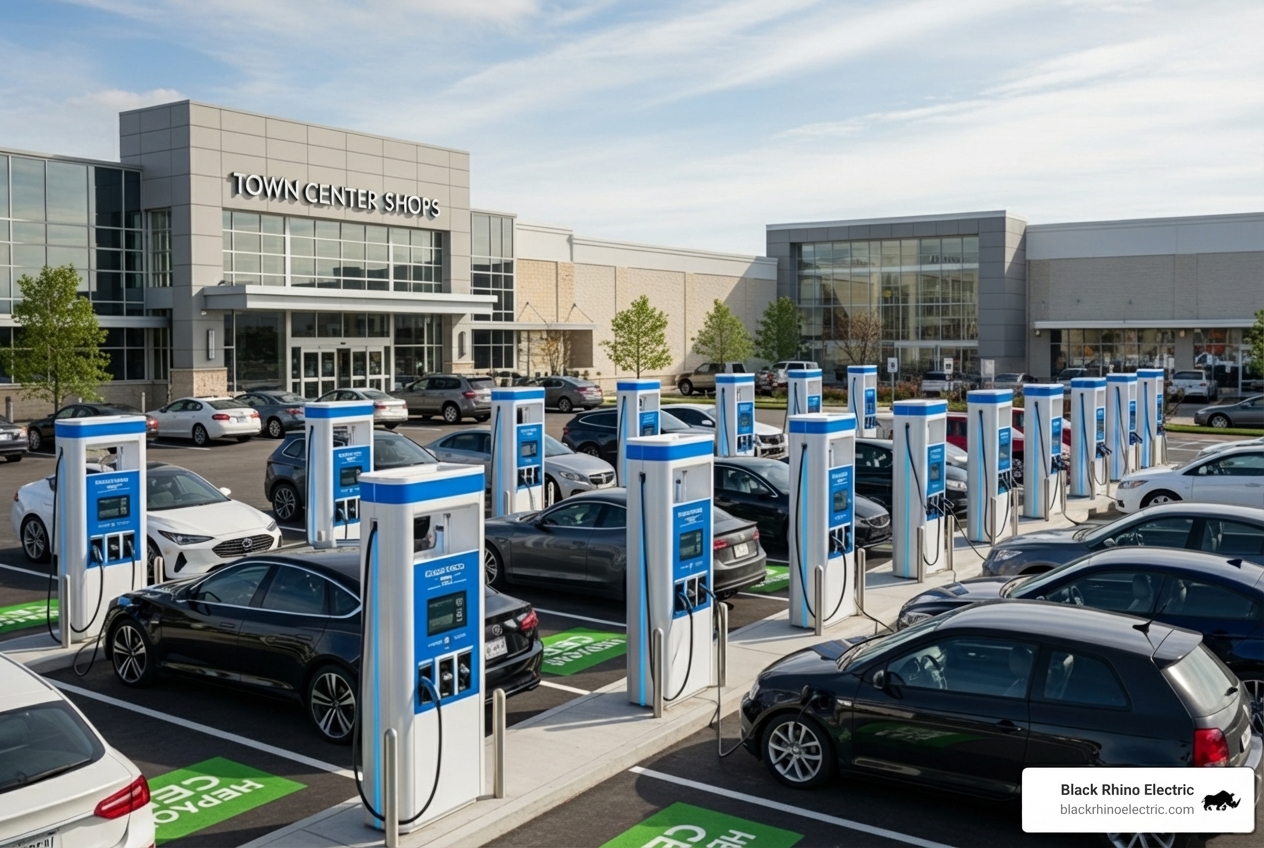
These are robust versions of home chargers, built for public use with features like payment processing. A commercial Level 2 station costs between $3,500 and $15,000 per charger, with an average installed cost around $6,000.
DC Fast Chargers (DCFC)
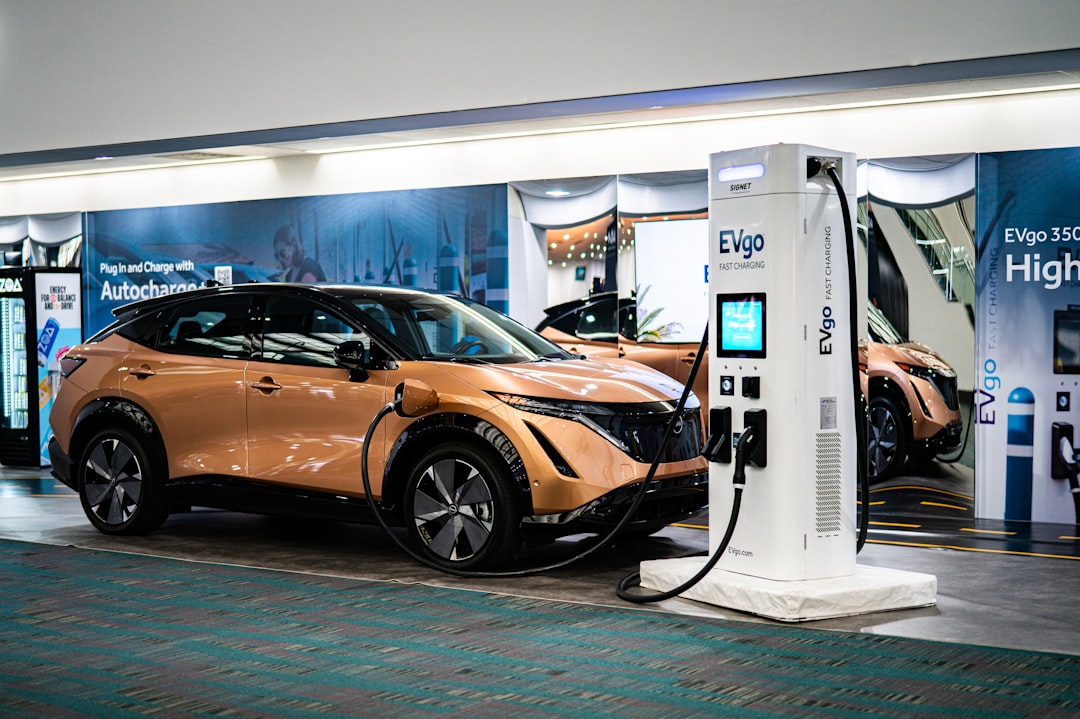
Also known as Level 3, these are the fastest option, adding 50-70 miles of range in about 20 minutes. The investment is significant, from $18,000 to $350,000 per unit, with an average installed cost around $50,000.
Networked vs. Non-networked
- Non-networked chargers are basic “plug-and-play” units. They are cheaper upfront but lack remote management or payment features.
- Networked chargers connect to a management system for payment processing and remote monitoring. They cost more and have annual network fees ($100-$900/year) but offer valuable features for businesses.
Workplace, Retail, and Fleet Charging Costs
Installation costs vary by location:
- Workplace: Often cheaper due to using existing infrastructure.
- Retail: Can be more expensive if high-visibility spots require long wiring runs.
- Fleet: Generally have lower per-unit installation costs due to bulk purchasing.
The costs for non-residential equipment are extensive. We can guide businesses in Weber County in finding the right balance for their needs. For more details, see the Costs Associated With Non-Residential Electric Vehicle Supply Equipment report.
What Influences the Charging Station Cost for Electric Cars?
It’s not just the charger itself; several factors come into play when calculating the total charging station cost for electric cars. Let’s unpack these.
Hardware vs. Installation: The Two Sides of the Coin
The total cost breaks down into two main parts: the equipment (hardware) and the installation. Honestly, installation is often the biggest variable and can even exceed the hardware price.
- Hardware (EVSE) Cost: This is the price of the charger itself, which varies by level, power, and smart features.
- Installation Cost: This is driven by several key factors:
- Labor: Installation should only be performed by a licensed electrician. A simple job might take a few hours, while a complex one could take over 20.
- Proximity to Power Source: This is the biggest cost driver. The farther the charger is from your electrical panel, the more expensive it is due to wiring and labor.
- Trenching: If we need to run wires underground, trenching through soil ($10-$20/foot) or concrete ($100-$150/foot) adds significant cost.
A thorough site assessment from our team is crucial for providing an accurate estimate and avoiding surprises. Our certified electricians in Weber County are experts in navigating these challenges for a cost-effective installation. Learn more about Why You Need a Certified Electrician for EV Charger Installation.
Hidden Expenses: Electrical Upgrades, Permits, and Ongoing Maintenance
Beyond the initial hardware and installation, be prepared for these potential costs:
- Electrical Panel Upgrades: Older homes in areas like North Ogden may need a panel upgrade to handle a Level 2 charger’s power demands (a dedicated 40-60 amp circuit). This can cost $2,000 to $10,000+.
- Permitting Fees: Most installations require a permit to ensure code compliance, typically costing $50 to $800. We handle this for our clients in Layton and Bountiful.
- Ongoing Costs: Budget for annual maintenance (around $300 for Level 2, $2,000+ for DCFC) and network subscription fees for smart chargers ($100-$900/year).
- Demand Charges (Commercial): Businesses in places like Syracuse should be aware of demand charges—fees for peak electricity use. EV charging can cause spikes that significantly increase utility bills.
Our team is adept at navigating these potential costs, providing transparent pricing. For Tesla owners, we offer specialized Tesla EV Charger Installation services.
Smart Savings: How to Reduce Your EV Charging Investment
The initial charging station cost for electric cars might seem daunting, but there are numerous ways to offset these expenses.
- Government Incentives and Rebates: Take advantage of the federal tax credit, which can cover 30% of your home installation cost up to $1,000. Also, check for state and local utility rebates in Utah. For the most up-to-date federal information, visit the up to a $1,000 tax credit page.
- Utility Time-of-Use (TOU) Rates: Many utility companies offer cheaper electricity during off-peak hours (typically overnight). Scheduling your charging for these times can drastically lower your monthly bill.
- Smart Planning: A professional site assessment is key to mitigating costs. Strategic planning can make a huge difference.
Here’s a list of ways businesses and homeowners can mitigate EV charging station costs:
- Conduct a thorough site assessment to understand your needs and limitations.
- Prioritize proximity to existing electrical infrastructure to reduce wiring costs.
- Research and apply for all available incentives: federal, state, and utility.
- Consider time-of-use (TOU) electricity rates for lower energy costs.
- For businesses, install multiple chargers at once to lower per-unit installation costs.
- Choose a reputable, licensed electrician to ensure safety and prevent costly repairs.
Is an EV Charging Station Worth It? Your Next Steps
So, is an EV charging station worth the investment? For most EV owners, the answer is a resounding yes. The convenience of waking up to a fully charged vehicle, the significant savings over gasoline, and future-proofing your property make it a compelling upgrade. With the right installation, you’re investing in a sustainable future.
Get a Professional Quote for Your EV Charger Installation
A professional installation is crucial for safety, performance, and your peace of mind.
- Safety and Code Compliance: An improperly installed EV charger is a serious fire hazard. Our fully licensed and insured electricians ensure every installation in Weber County, from North Salt Lake to Centerville, meets the highest safety standards.
- Long-Term Savings: While there’s an upfront cost, the long-term savings on fuel are substantial. Charging your EV at home is consistently cheaper than filling up a gas-powered car.
- Expert Guidance from Black Rhino Electric: We pride ourselves on turning electrical objectives into seamless realities. Our team delivers custom solutions with transparent pricing for homes in Ogden and businesses in Roy.
Ready to take the next step and get a clear picture of your specific charging station cost for electric cars? Our team at Black Rhino Electric is your go-to electrician in Ogden and Weber County for safe, swift, and superior service. We’ll assess your needs and provide a detailed, no-obligation quote.
Contact us today for a free consultation—we’re here to help you power your electric future! Request a Quote