Recognizing electrical problems in house can be the one thing that stands between a safe haven and a serious hazard. While a flickering light or a buzzing outlet might seem like a minor annoyance, these are often warning signs that demand your immediate attention. Understanding what to look for is key to preventing a small issue from becoming a major emergency.
Contents
Why Recognizing Electrical Problems in House Matters
Here’s the thing: electrical malfunctions are a leading cause of house fires, but the vast majority can be prevented. Your electrical system is constantly communicating with you; the key is learning to recognize its signals. Most problems develop gradually, giving you opportunities to act before it’s too late.
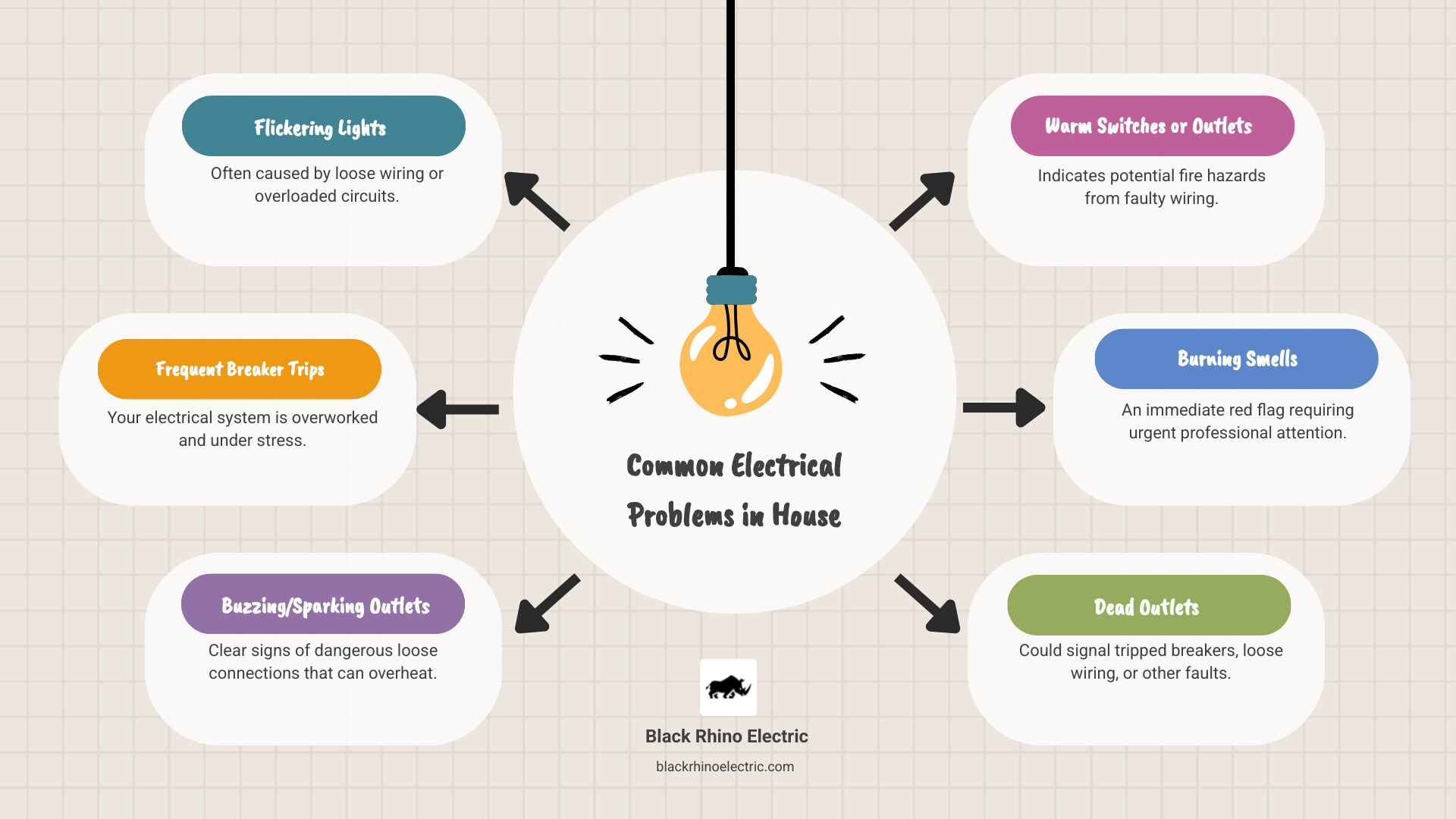
Common warning signs include:
- Flickering or dimming lights
- Frequent breaker trips
- Buzzing or sparking outlets
- Warm switches or outlets
- Burning smells
- Dead outlets
- Unusually high electricity bills
A light that flickers occasionally might seem harmless, but it could be warning you about loose connections that can overheat and start fires. The Consumer Product Safety Commission recommends a professional electrical inspection every 10 years, especially for homes built before 1960 with outdated wiring. Understanding these signs empowers you to protect your home, family, and investment.
Spotting the Warning Signs: Common Electrical Problems in House
Honestly, nothing disrupts your peace of mind quite like potential electrical problems in house. Most electrical systems give you a heads-up before a major failure, so let’s break down the clues your house might be giving you, from the obvious to the subtle.
Sensory Clues: What You Can See, Hear, and Smell
Your senses are your first line of defense. If something looks, sounds, or smells wrong with your electrical system, it probably is. Ignoring these signs is a gamble you don’t want to take.
- Flickering or Dimming Lights: This often indicates a loose wire, an overloaded circuit, or a faulty neutral line. If it happens when a large appliance kicks on, your home’s electrical capacity may be struggling to keep up.
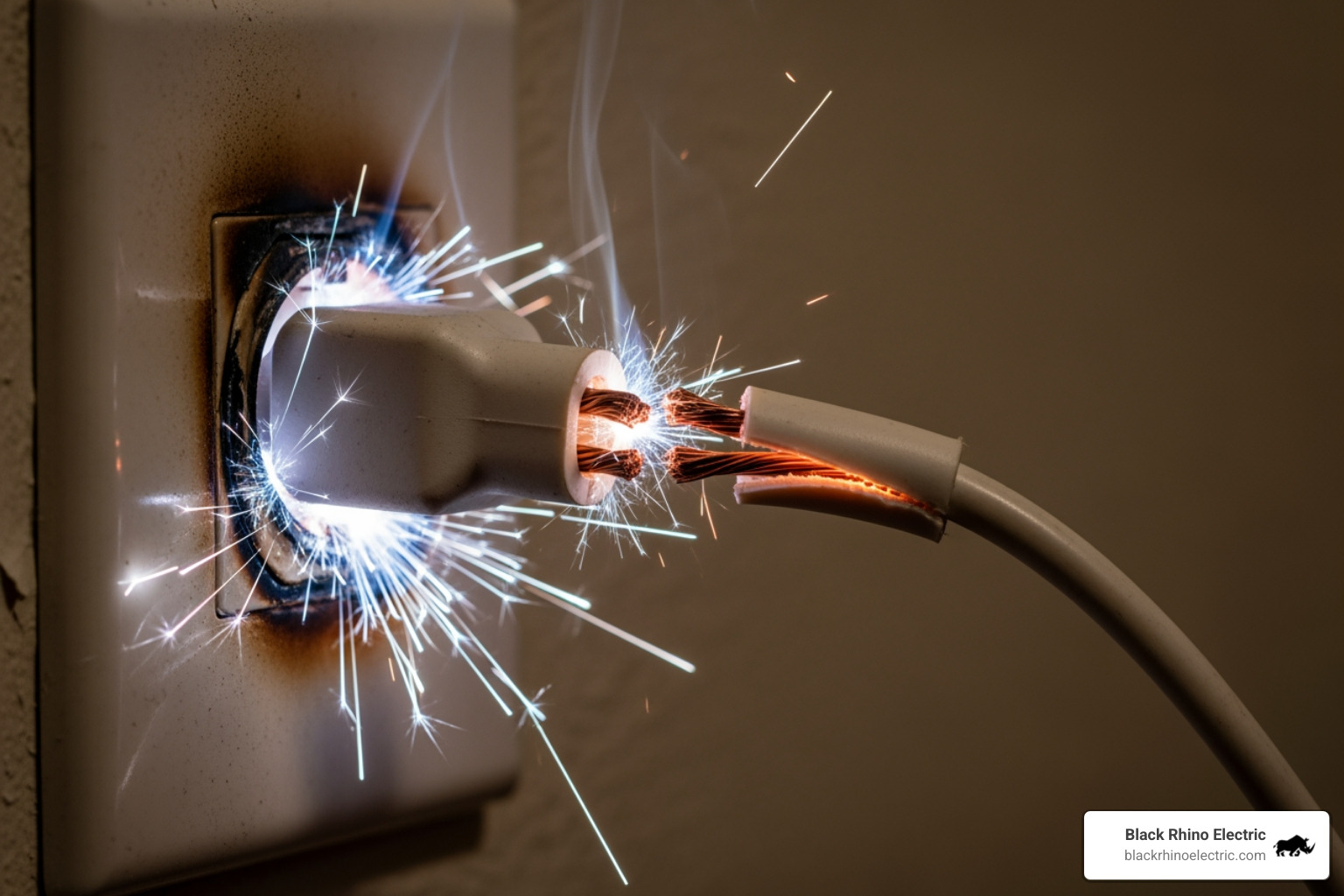
- Buzzing Sounds: A persistent buzz from outlets, switches, or your electrical panel typically points to loose wiring or arcing electricity. This is a fire hazard that requires immediate attention from a licensed electrician.
- Sparking Outlets or Switches: While a tiny, brief spark can be normal, large or frequent sparks are a major red flag for loose wiring. An arc-fault circuit interrupter (AFCI) can prevent fires from these issues by detecting dangerous arcs and shutting off power.
- Warm Outlets or Switches: Outlets and switches should be cool. Warmth signals an overload or faulty wiring, which is a critical fire risk. Unplug anything connected and call for a professional inspection.
- Burning Odors: A burning plastic or rubber smell from an outlet or panel means wire insulation is overheating or melting. This is an emergency! Unplug devices and call an electrician immediately.
- Hot Ceiling Fixtures: This can indicate you’re using bulbs with a higher wattage than the fixture’s rating, creating a fire hazard. Switch to energy-efficient LED bulbs that produce less heat.
- Rodent Droppings: Mice and rats love to chew on electrical wiring. If you find droppings in your attic or walls, it’s wise to have your wiring inspected for damage.
For more detailed advice, check out our Essential Tips for Electrical Wiring Repair at Home.
Performance Issues: When Your System Can’t Keep Up
Frequent breaker trips and dead outlets aren’t just inconveniences; they’re symptoms of a system under stress. Let me explain what these performance hiccups really mean.
- Tripping Breakers: A breaker’s job is to trip to prevent overheating. If it happens frequently, you likely have an overloaded circuit, a short circuit, or a defective breaker that needs professional replacement.
- Overloaded Circuits: This happens when too many high-wattage devices are on a single circuit. It’s a common issue in older homes in areas like Ogden or Layton that weren’t designed for modern power demands.
- Power Surges: These sudden voltage spikes can damage electronics. While lightning is a known cause, faulty wiring or utility issues can also be to blame. Whole-house surge protection offers the best defense.
- Dead Outlets: This common issue can be caused by a tripped breaker, a blown fuse, or a tripped GFCI. Check your breaker box and press the “reset” button on GFCI outlets. If that doesn’t work, it’s time to call us. Learn more with our guide on How to Fix an Outlet That Is Not Working.
- Partial Power Outages: If power is out in just one room, it’s likely a tripped breaker. If the whole house is out, it could be a main breaker failure or a grid issue.
- Appliances Starting Slowly or Uneven Lighting: If appliances struggle to start or some lights are dimmer than others, it can indicate undervolting or overloaded circuits, suggesting your system is strained.
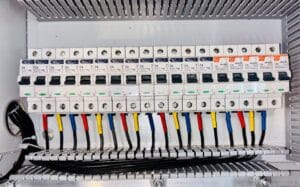
If your system isn’t performing as it should, we’re experts in diagnosing and resolving these issues with our Breakers & Panels Electrician services.
Hidden Dangers: Subtle but Serious Electrical Problems in House
Not all electrical problems in house are obvious. Some lurk beneath the surface, posing subtle but serious risks that often go unnoticed until they become critical.
- Outdated Wiring: Many older homes have wiring that’s a fire hazard. Knob and tube wiring (pre-1940s) lacks a ground wire, and its insulation becomes brittle. Aluminum wiring (mid-1960s to late-1970s) can lead to loose, overheating connections; in fact, homes with aluminum wiring could be 55 times more likely to suffer fire damage.
- Bad Earthing (Grounding): A faulty ground connection is a major safety concern. Without a safe path for electricity to dissipate, you could receive a severe shock from touching a metal appliance during a fault.
- High Electricity Bills: If your bills are climbing without a change in usage, it could be a sign of an inefficient, aging electrical system losing energy as heat. A panel upgrade can often help; learn more about the Cost to Upgrade Electrical Panel.
- Counterfeit Electrical Products: Cheap, uncertified electrical products often lack safety features and can cause fires. Always buy from reputable dealers and look for the UL (Underwriters Laboratory) seal.
- Water Damage: Water and electricity are a deadly combination. Leaks can cause short circuits and electrocution hazards. Always have your system inspected by a professional after any water damage.
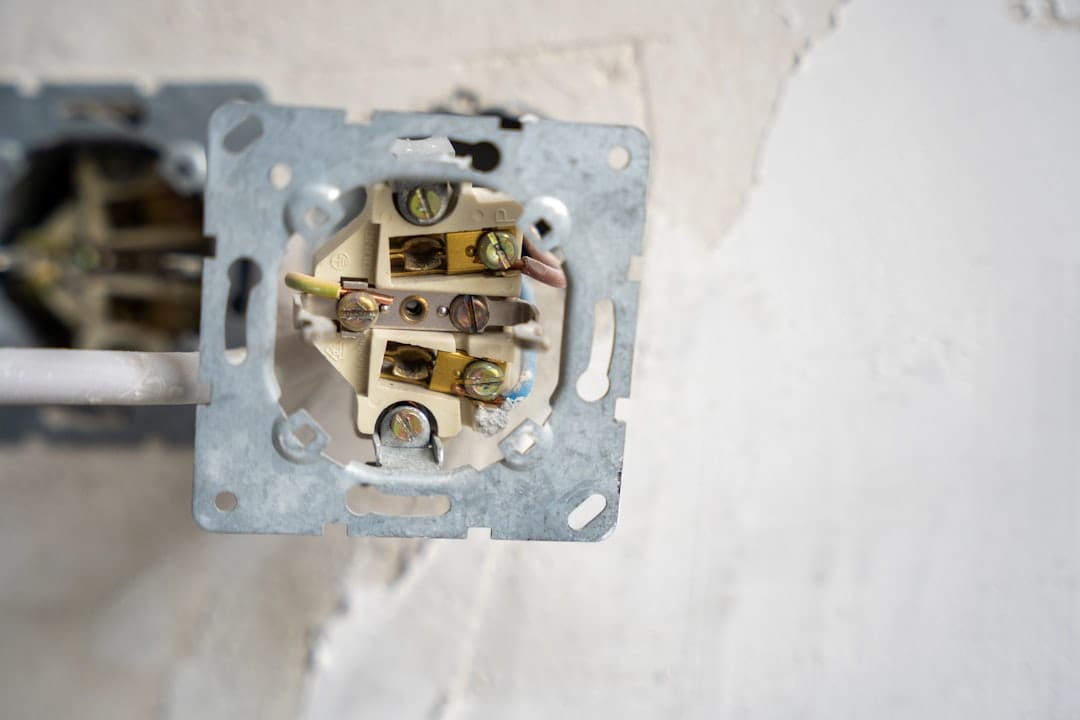
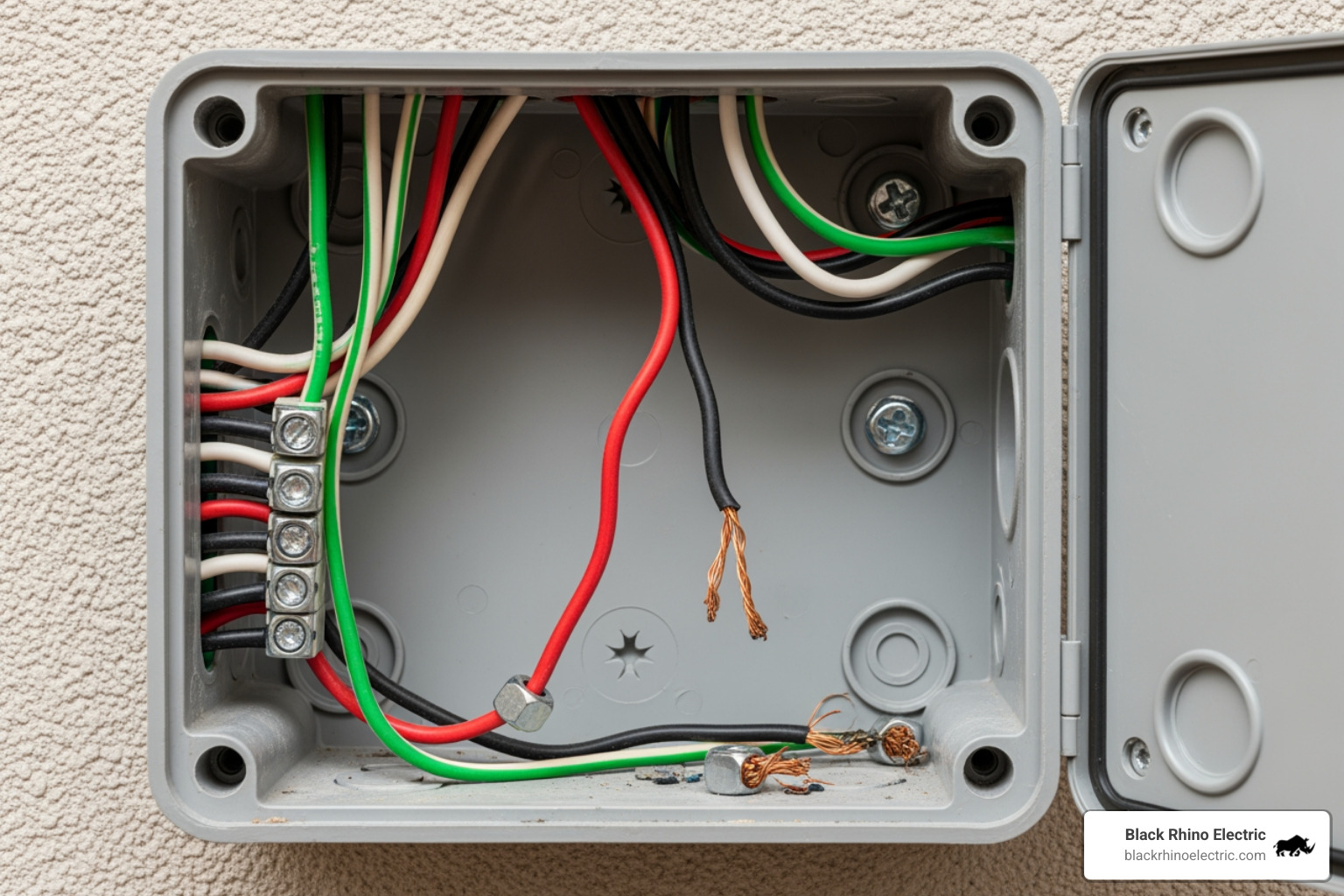
- Loose Connections: Over time, electrical connections can loosen, causing arcing and overheating—a primary cause of electrical fires.
- Other Hidden Dangers: Be aware of incorrectly wired sockets, exposed wires, overloaded extension cords, and faulty hardwired smoke detectors, as they all pose significant risks.
DIY vs. Pro: When to Call an Electrician
So, you’ve spotted a problem. While it’s tempting to try a quick fix, electricity is not the place for guesswork. Knowing the difference between a simple DIY task and a job that requires a professional is crucial for your safety.
Basic Homeowner Maintenance vs. Professional Repairs
There are a few basic tasks any homeowner can handle. However, you must recognize your limits and understand that most electrical work is best left to a trained professional.
Safe DIY tasks include:
- Resetting a Tripped Breaker: If power is out in one room, try this first. If it trips again immediately, call a pro.
- Testing a GFCI Outlet: Press the “test” and “reset” buttons to ensure it’s working.
- Changing a Lightbulb: Always use a bulb with the correct wattage.
- Inspecting Cords: Look for frays or cracks and replace damaged cords.
When is it advisable to call an electrician? Honestly, for anything beyond this list. The dangers of DIY electrical work—including electrocution, fire, and code violations—are too great. Even a seemingly simple “like for like” replacement of a switch requires proper testing to ensure it’s safe and up to code. For more tips, see our guide on Electrical Maintenance 101: Everything You Need to Know.
The Importance of a Professional Diagnosis for Electrical Problems in House
When you’re dealing with potential fire and shock risks, a professional diagnosis is non-negotiable. A licensed electrician is essential to address any of the electrical problems in house we’ve discussed. Why? Because we have the training and tools to accurately identify the root cause, ensure all work is safe and compliant with Today’s electrical codes, and prevent future issues. This is Why You Should Always Hire a Licensed Electrician.
In some cases, such as in older homes with outdated wiring and frequent problems, a full electrical rewire may be a more sensible and safer solution than repeated repairs. This is especially true during major renovations.
At Black Rhino Electric, we’re not just fixing wires; we’re providing safety and peace of mind. We specialize in essential services like EV charger installations, hot tub wiring, panel replacements, and comprehensive wiring for homes and businesses throughout Weber County and surrounding Utah areas. As fully licensed and insured electrical contractors, we prioritize your safety with code-compliant installations and transparent pricing.
Trusted by families and businesses in Ogden, Roy, Layton, and beyond, we turn electrical objectives into worry-free realities. If you’re experiencing any issues, contact a professional for troubleshooting and a free consultation—your go-to electrician in Ogden and Weber County for safe, swift, and superior service!