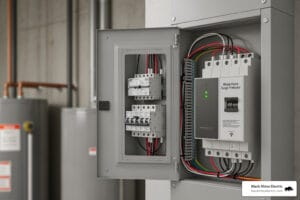
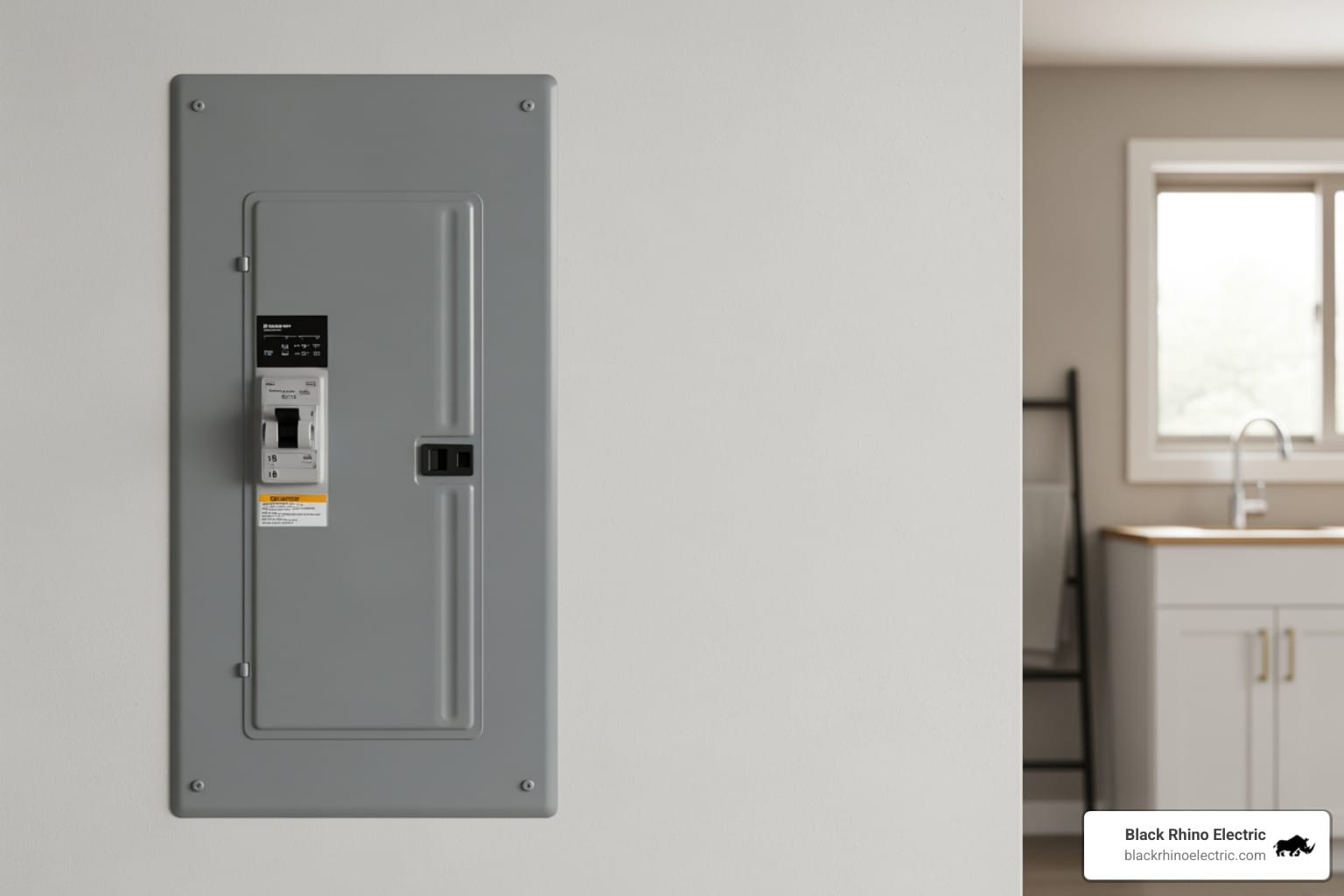
Ever wondered about that mysterious gray metal box in your garage or basement? That’s your electrical panel box for home, and it’s the single most important component of your entire electrical system. Understanding how it works is the first step toward a safer, more efficient home.
Contents
The Heart of Your Home’s Power: What is an Electrical Panel and How Does It Work?
Your home’s electrical panel, also known as a breaker box or load center, is the command center for all electricity on your property. It takes power from the utility company and safely distributes it to every light, outlet, and appliance. Its primary function is twofold: to route electricity where it’s needed and, most importantly, to protect your home from dangerous overloads and short circuits.
Let me explain how it works: Power from the utility line enters the panel and goes to the main breaker—a master switch for your entire home. From there, electricity is sent to individual circuit breakers, each protecting a specific circuit (like your kitchen outlets or bedroom lights). If a circuit draws too much power (an overload) or has a wiring fault (a short circuit), its breaker will “trip,” instantly cutting power. This crucial safety feature prevents wires from overheating, which can cause fires or electric shocks. For a deeper dive, our guide on Understanding Electrical Panel Installation Basics offers more detail.
Honestly, most homeowners don’t think about their panel until a breaker trips or a renovation reveals it’s too old for modern demands. While you can do basic checks, any repairs or upgrades require a licensed electrician to ensure safety and code compliance. Professional knowledge is non-negotiable here.

Key Components of Your Electrical Panel Box for Home
To understand your panel, it helps to know what’s inside. Each part plays a vital role in delivering power safely.
- Main Breaker: Usually at the top of the panel, this master switch cuts all power to your home, essential for emergencies or major electrical work.
- Individual Circuit Breakers: These smaller switches protect individual circuits (e.g., kitchen outlets, bedroom lights). They trip automatically to cut power when they detect a problem.
- Bus Bars: These metal strips distribute power from the main breaker to the individual circuit breakers.
- Neutral Bar: Connects all neutral (white) wires, providing a return path for electricity to complete the circuit.
- Ground Bar: Connects all ground (green or bare copper) wires, diverting stray electricity safely into the earth to prevent shocks.
- Wires: Hot wires (black/red) carry power to circuits, neutral wires (white) return it, and ground wires (green/copper) provide safety.
- Enclosure: The metal box that houses all components.
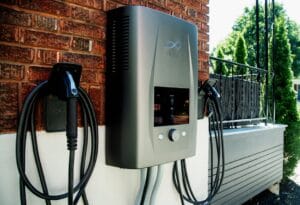
Larger homes or properties with additions like a workshop may have a subpanel. This secondary panel doesn’t increase your home’s total power but helps distribute it more efficiently to specific areas. For instance, adding an EV charger in your Ogden garage or a hot tub in North Ogden might require a subpanel to manage the new load.
Circuit Breaker Panel vs. The Old Fuse Box
If your home is older, you might have a fuse box instead of a modern circuit breaker panel. While both protect circuits from overcurrent, breaker panels are far safer and more convenient.
Here’s the key difference:
| Feature | Circuit Breaker Panel | Fuse Box |
|---|---|---|
| Protection Mechanism | Circuit breakers “trip” or switch off automatically. | Fuses contain a metal wire that “melts” or burns out. |
| Reset/Replacement | Can be easily reset by flipping a switch back on. | Requires replacing the blown fuse with a new one. |
| Safety | Generally much safer, designed to meet modern codes. | Can be a fire hazard if incorrect fuse sizes are used. |
| Convenience | High; quick to restore power, no need for spare parts. | Low; requires spare fuses and can be inconvenient to replace. |
Fuse boxes are obsolete. If your Weber County home has one, your electrical system is likely outdated and can’t handle modern demands. Using the wrong fuse size is a major fire risk. For safety, upgrading to a circuit breaker panel is highly recommended.
Understanding Circuit Breakers and Panel Capacity
Circuit breakers are automatic switches that trip to cut power during an overload or short circuit, preventing fires. You can reset them by flipping the switch back on. The capacity of breakers and your panel is measured in amperage (amps).
- 15-amp and 20-amp circuits are common for lights and standard outlets. Kitchens and bathrooms often need 20-amp circuits for higher-wattage appliances.
- Double-pole breakers provide 240-volt power for large appliances like dryers, AC units, and are essential for EV chargers or a new hot tub in North Ogden.
Panel Capacity: How Much is Enough?
Your main panel’s total amperage determines your home’s electrical capacity.
- Older homes in Ogden or Roy may have 60-amp or 100-amp service, which is often insufficient for modern life.
- New homes typically have 200-amp service, which can handle modern appliances, electronics, and an EV charger.
- Larger homes or those with workshops might need 400-amp service.
If your 100-amp panel is full or you’re adding a high-draw appliance like an EV charger, a panel upgrade is likely necessary. The number of circuits a panel can hold depends on its size; a typical 200-amp panel has 40-60 slots. If your panel is full and undersized, a full replacement is the safest solution. For questions about your needs, our Breakers & Panels Electrician services can help.
Is It Time for an Upgrade? Maintaining Your Electrical Panel Box for Home
Your electrical panel has a lifespan of 25 to 40 years. If your home in Weber County is older, your panel may be struggling to keep up with modern electrical demands. An outdated panel isn’t just inconvenient—it’s a safety risk. Older panels can overheat, creating a fire hazard, and often lack modern safety features like AFCI and GFCI protection. Honestly, proactive maintenance and knowing when to upgrade are crucial for your family’s safety. For more tips, see our guide on Top Electrical Maintenance Tips to Keep Your Home Safe.
Warning Signs: When to Repair or Upgrade Your Panel
Your panel will often give clues when it needs attention. Look out for these indicators:
- Frequent Breaker Trips: A breaker that trips repeatedly signals an overloaded circuit, a short circuit, or a faulty appliance. This requires professional investigation.
- Flickering or Dimming Lights: Lights that flicker or dim when a large appliance starts suggest your system is overloaded.
- Burning Smell or Buzzing Sounds: A burning smell or buzzing/crackling sounds from the panel are red flags for a serious fire risk. Call an electrician immediately.
- Warm or Discolored Panel: A panel that’s warm to the touch or has scorch marks indicates dangerous overheating.
- Over-reliance on Extension Cords: Needing extension cords for everything suggests your home’s electrical system is inadequate and circuits may be overloaded.
- Old or Obsolete Panels: A fuse box or a panel that is over 25 years old is likely due for an upgrade to meet modern capacity and safety standards.
- Rust or Corrosion: Rust or corrosion points to moisture damage, which can compromise the panel and create a dangerous situation.
What to do if a breaker is hot: If a breaker is hot, or you smell burning, do not touch it. If it’s safe, turn off the main breaker and call a licensed electrician immediately. For more on this, see our guide to Common Electrical Issues a Residential Electrician Can Fix.
The Cost and Benefits of an Electrical Panel Upgrade
An electrical panel upgrade is a significant investment, typically costing between $3,000 and $5,000 depending on the job’s complexity and local requirements in areas like Ogden or Roy. However, the benefits in safety and capacity are well worth it.
- Increased Capacity: A modern 200-amp panel provides enough power for today’s needs, including EV chargers, hot tubs, and high-efficiency appliances that older panels can’t support.
- Improved Safety: New panels meet current electrical codes and include modern AFCI and GFCI breakers, drastically reducing the risk of fire and electric shock.
- Higher Home Value: An updated electrical system is a key selling point that can increase your property’s value.
- Lower Insurance Premiums: Many insurers offer discounts for homes with modern, safer electrical systems.
You may be able to offset the cost. The Inflation Reduction Act (IRA) offers a tax credit of up to $600 for qualifying electrical panel upgrades (typically 200 amps or more). Consult a tax professional about your eligibility and see the official page on Federal tax credits for home energy. For a detailed cost breakdown, read our guide on the Cost to Upgrade Electrical Panel.
Safe Maintenance and Modern Innovations for Your Home
While major electrical work is for professionals, homeowners can perform a few basic maintenance checks:
- Keep the Area Clear: Maintain at least 36 inches of clearance around your panel for ventilation and emergency access, as required by the National Electrical Code (NEC).
- Visual Inspection: Periodically look for rust, discoloration, or damage. Ensure breakers are firmly seated.
- Test Safety Breakers: Annually press the “TEST” button on your GFCI and AFCI breakers to ensure they’re working.
Any work that involves opening the panel must be done by a licensed electrician. It is extremely dangerous to do it yourself.
Modern Innovations: Smart Electrical Panels
The latest innovation is the smart electrical panel, which offers unprecedented control and insight into your home’s energy use. Features include:
- Real-time Monitoring: Track energy use by circuit from a smartphone app to identify savings.
- Remote Control: Turn individual circuits on or off from anywhere for convenience and safety.
- Load Management: Intelligently manages power for EV chargers and heat pumps, preventing overloads.
- Future-Proofing: Integrates seamlessly with solar panels and battery storage systems.
Installing or upgrading any panel, especially a smart one, requires specialized expertise. That’s where Black Rhino Electric comes in. As licensed and insured electrical contractors serving Weber County, including Ogden, Roy, and North Ogden, we specialize in panel replacements, EV charger installations, hot tub wiring, and complete home wiring. We prioritize safety, quality, and code-compliant work that prepares your home for the future. For any complex work, from panel upgrades to troubleshooting, trust our experts to handle your electrical panels and meters. It’s crucial to hire a professional, and you can learn more in our article, Why You Should Always Hire a Licensed Electrician.
Trusted by families and businesses across Weber County, we deliver safe, efficient, and reliable electrical solutions. Contact us today for a free consultation!