You know what? After installing dozens of home charging stations myself, I can tell you that finding the best level 2 ev charger for home doesn’t have to be overwhelming. Let me explain—this guide walks you through every step with expert-backed tips and real-world examples.
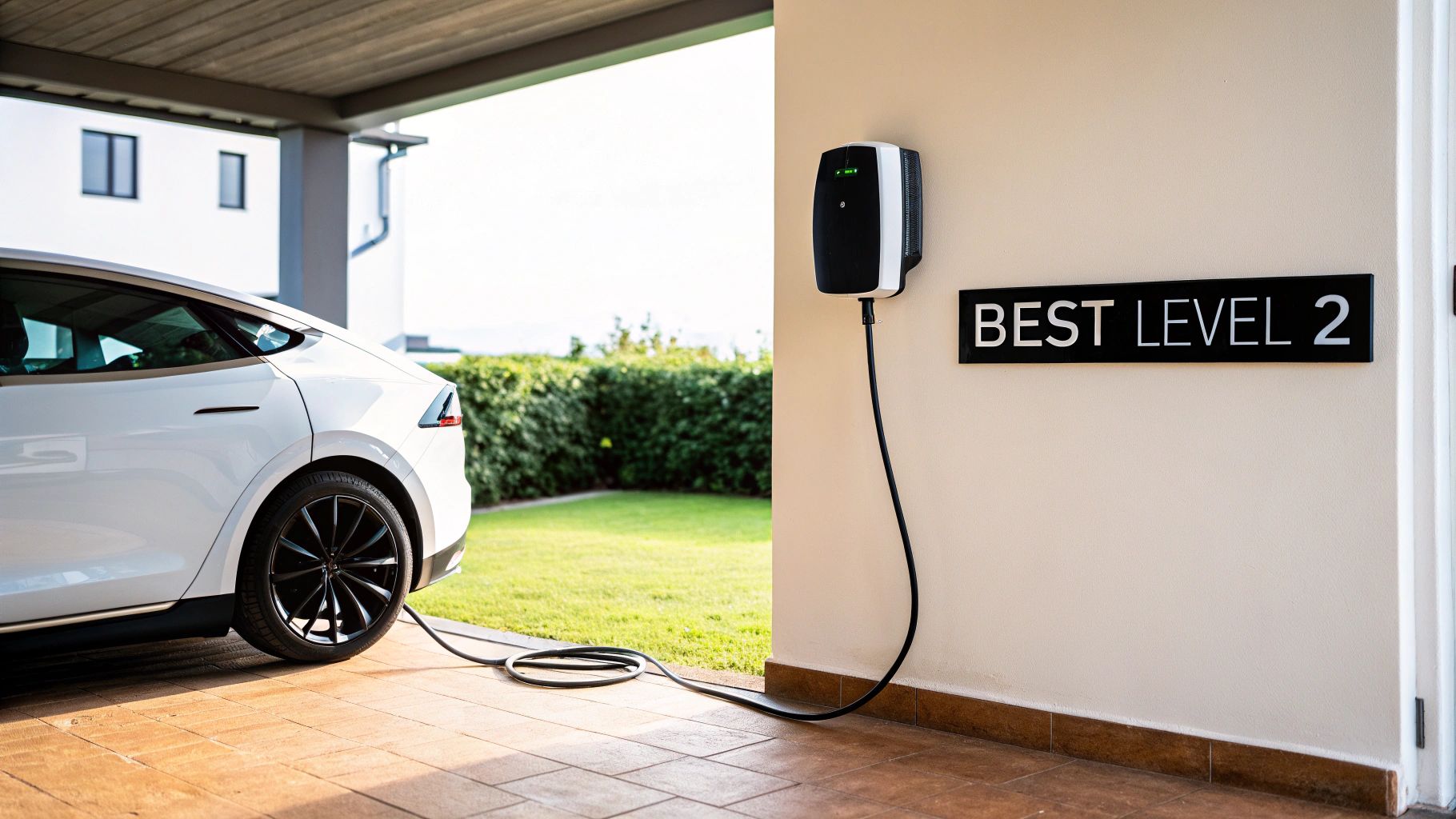
Looking for the best Level 2 EV charger for home? Here’s the thing: a 240-volt station with 30–40 amps can replenish up to 30 miles of range per hour. That sweet spot of speed and cost means you’ll roll out each morning with a full battery, without blowing your budget on complicated upgrades.
It really is that simple when overnight charging is your goal.
Key Details For Level 2 Home Charging
- A 240-volt circuit is required to feed the charger efficiently
- 30–40 amp breakers unlock 20–30 miles of range per hour
- Typical install cost: $500–$1,200 (labor + hardware)
Charger Type Comparison
Here’s a quick overview of charging speeds and typical costs for Level 1 vs. Level 2 units.
| Charger Type | Voltage | Miles per Hour | Typical Cost |
|---|---|---|---|
| Level 1 | 120 V | 2–5 | $200–$600 |
| Level 2 | 240 V | 20–30 | $500–$1,200 |
Honestly, this side-by-side makes it clear why many EV owners upgrade to Level 2 for daily driving.
Here’s the thing: Level 1 and Level 2 chargers are projected to account for 92% of 28 million ports by 2030, thanks to 25.7 million home units and 2.1 million public/workplace installations. For the full breakdown, check out the U.S. Department of Energy’s EV Grid Assist Charts and Figures.
With these core numbers in hand, you’ll dodge sticker shock and choose a charger that fits your routine. Next up, we’ll dive into specs, site requirements, permitting, and cost details—everything you need to pick the best Level 2 EV charger for home.
Understanding Level 2 Charging
Level 2 charging runs on a 240-volt circuit, so instead of trickling out a handful of miles each hour, you gain 20–40 miles of range per hour. It’s the difference between sipping electricity and guzzling it.
Think of Level 1 as filling a pool with a garden hose and Level 2 as opening a fire hydrant. You don’t need a full electrical remodel—just a bigger line delivering power faster.
- Voltage Difference: Level 1 uses 120 V, Level 2 taps 240 V, and DC fast chargers push 400+ V.
- Charging Speed: Level 1 adds about 3–5 miles per hour, Level 2 jumps to 20–40 mph, and DC fast can hit 60–200 mph.
- Best Use Cases: Level 1 for occasional top-ups, Level 2 for daily driving, DC fast for quick road-trip boosts.
Charging Speed Explained
| Charger Type | Voltage | Miles per Hour |
|---|---|---|
| Level 1 | 120 V | 3–5 |
| Level 2 | 240 V | 20–40 |
| DC Fast | 400+ V | 60–200 |
“Level 2 charging hits the sweet spot for most home users,” says an EV infrastructure analyst.
Since 2024, the Level 2 charger market has leapt from $2.27 billion to a projected $30 billion by 2035, a 26.5% CAGR over the next decade. Let me explain—you can learn more about these findings on WiseGuyReports.
Which Models Benefit Most
- Nissan Leaf: Tops up 30 miles in about 45 minutes on a 32 A unit.
- Chevrolet Bolt: Gains 30 miles in 40 minutes at 40 A.
- Tesla Model 3: Delivers up to 35 miles per hour with an 11.5 kW onboard charger.
How does that translate to everyday life? Plug in after dinner and wake up with a full battery.
Why It Fits Home Use
Level 2 sits right in the sweet spot for home charging, avoiding both the slow trickle of Level 1 and the cost (and complexity) of DC fast chargers.
- Installation Needs: A 30–50 A breaker and a 240 V line.
- Cost Balance: Equipment plus labor usually runs $500–$1,200.
- Flexibility: Choose portable or hardwired models to match your garage setup.
Practical Example
Meet the Johnson family in Salt Lake County. They swapped a 120 V Level 1 unit for a 40 A Level 2 charger and saw their nightly top-up climb from 5 mph to 30 mph. That change shaved almost 6 hours off their charging time and let them shift most charging to cheaper overnight rates.
- Saved about 6 hours of charging nightly
- Charged during off-peak hours for lower rates
- Eliminated range-anxiety before morning commutes
- Enjoyed more predictable energy costs
- Cut their monthly electricity bill by roughly 10%
Next up: the Key Specs and Features you should look for when picking the perfect Level 2 EV charger for your home.
Key Specs And Features To Evaluate
Picking a Level 2 EV charger isn’t about slapping a box on the wall. It’s more like tuning an instrument: you want the right voltage, the right flow, and dependable performance day after day. To find your perfect match, zero in on these critical specs:
- Rated Amperage (20–50 A ranges)
- Peak Power Output (6.6–11.5 kW)
- Plug Options (NEMA 14-50 vs. hardwired)
- Smart Connectivity (Wi-Fi, Bluetooth, app control)
- Safety Certifications (UL, ETL, CE)
Rated Amperage And Power Output
Think of amperage as water pressure in a hose—the higher it is, the faster you fill the bucket. A 40 A charger typically flows at around 9.6 kW, adding roughly 30 miles of range every hour you’re plugged in.
Of course, not every electrical panel can handle a 50 A circuit. If your breaker tops out at 30 A, expect about 7.2 kW or 20 miles per charging hour.
Choosing the right amperage comes down to two things: your daily driving habits and your panel’s capacity. And remember—higher peak power (kW) shaves minutes off your charging time but may nudge installation costs up a notch.
| Amperage | Power Output | Miles Added Per Hour |
|---|---|---|
| 30 A | 7.2 kW | 20 |
| 40 A | 9.6 kW | 30 |
| 50 A | 12.0 kW | 35 |
“Matching your charger’s amperage to your panel capacity keeps installation smooth and cost-effective,” says a licensed electrician.
Plug Options And Connectivity
Next, let’s talk about how you physically connect. A NEMA 14-50 outlet feels like a universal adapter—you can move the charger if you redecorate your garage. Hardwired units, on the other hand, give you a cleaner look and better weather sealing. That said, hardwiring usually adds 10–20% to your install cost.
Smart features are the icing on the cake. They turn a wall box into a live dashboard:
- Wi-Fi or Bluetooth for remote app control
- Scheduled charging to catch off-peak rates
- Real-time energy monitoring and alerts
- Over-the-air firmware updates
Safety is non-negotiable. Look for UL or ETL listings and built-in ground-fault protection. These certifications mean your charger has passed rigorous tests before it ever reaches your wall.
| Certification | Key Benefit |
|---|---|
| UL 2594 | Product safety |
| ETL | Electrical compliance |
| CE | Global regulation |
Build Quality And Warranty Terms
A rugged enclosure is more than just good looks. Metal or stainless-steel cases shrug off dents and stand up to weather far better than flimsy plastic. Meanwhile, warranty lengths can vary dramatically:
| Charger Model | Enclosure Rating | Warranty Length |
|---|---|---|
| ChargePoint Home Flex | NEMA 4X | 3 years |
| Grizzl-E 40 | Stainless steel | 2 years |
| Tesla Wall Connector | Thermoplastic | 4 years |
Homeowner Lisa from Davis County raves, “I installed a Grizzl-E and love the rugged feel. The warranty even covered a firmware glitch in no time.”
App-Based Monitoring In Daily Use
How do these specs play out on a real driveway? Meet Joe. He drives 40 miles round-trip, plugs in at 6 pm, and lets his smart charger wait until 10 pm to tap off-peak power.
By morning, at 5 am, Joe gets an alert: charging is complete. That simple routine saves him $5–$10 a month on electricity bills and eases the load on the grid during peak hours.
Key perks of app control:
- Customized charge schedules
- Detailed usage insights
- Remote start and stop
- Automatic firmware upgrades
With this clear roadmap of specs, you’re ready to choose the best Level 2 EV charger for home that fits your panel, driving patterns, and budget. Next up: planning the installation.
Installation Requirements And Timeline
Think of your electrical panel as a bustling freeway interchange. Without proper load balancing, power can bottleneck and cause trips. That’s why nailing the details is crucial for the best level 2 ev charger for home.
Overloaded circuits are like too many cars squeezing onto one on-ramp—breakers trip, connections overheat, and your EV sits idle. A clear roadmap from the start keeps everything flowing.
Panel Capacity And Load Balancing
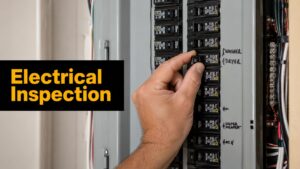
Your panel’s capacity—measured in amps (commonly 100 A or 200 A)—sets the stage. But it’s not just the main rating; you need to know which breakers feed which circuits.
- Main breaker size (100 A, 150 A, 200 A)
- Available slots for new breakers
- Accuracy of panel labels and chart
- Current loads on key circuits
For example, a panel already at 90% capacity can’t easily handle a 40 A charger without upgrades or a smart load-management device.
“Proper load balancing is crucial to prevent nuisance trips and extend panel lifespan,” says a senior Black Rhino Electric technician.
Homeowners often overlook this step and stall their install before it starts. A free panel evaluation eliminates the guesswork.
Upgrading a 100 A panel to 200 A typically runs $1,000–$2,500, depending on local utility fees and labor. That investment adds slots and supports heavier loads—ideal if you plan more EVs or a hot tub down the road.
Circuit Breaker Sizing
Choosing the right breaker is like picking the right gear for a climb. A 30 A breaker delivers about 7.2 kW, translating to roughly 20 miles of range per hour. Step up to a 50 A breaker and you’re closer to 12 kW, or 35 miles per hour.
| Breaker Size | Continuous Load Limit | Approx. kW Output |
|---|---|---|
| 30 A | 24 A | ~7.2 kW |
| 40 A | 32 A | ~9.6 kW |
| 50 A | 40 A | ~12.0 kW |
Not every home can support a 50 A line without panel upgrades. Smart splitters or load-management devices can throttle charging automatically, letting ovens, dryers, and your EV share power without tripping.
Infographic On Key Specs
Below is an infographic illustrating how Amps → kW → Plug flow through your charger setup and why each step matters.
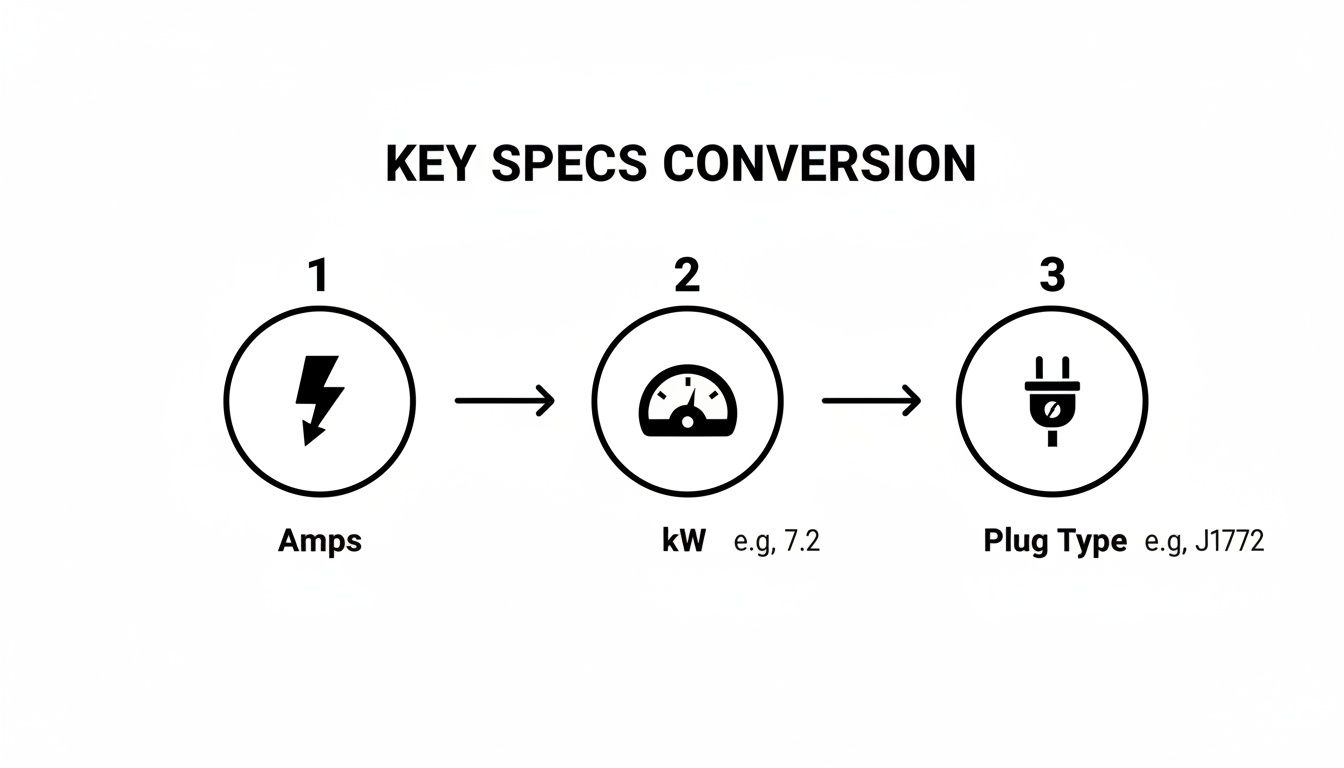
Higher amps mean more kW, which dictates plug type—and ultimately, charging speed.
Conduit Pathways And Permitting
Next, map out the conduit route—your wiring’s protected highway from panel to charger.
- Conduit material (PVC or metal) and diameter
- Distance between panel and charger mount
- Wall penetrations through concrete or brick
- Local code requirements
Permits are non-negotiable. Most areas charge $100–$300 for electrical permits. Early application can cut 2–4 week delays.
Tip: Gather your charger spec sheet, wiring diagram, and site photos before applying to speed up approvals.
Sometimes a surface-mount raceway is allowed, sparing you from messy drywall cuts.
Five Step Installation Timeline
A Level 2 charger install usually unfolds in five clear phases:
- Site Survey and Quote
- On-site inspection of panel, garage layout, conduit needs
- Detailed estimate including permit fees
- Electrical Preparation
- Panel upgrades or load-management device setup
- New breaker and conduit layout
- Mounting Charger Hardware
- Secure bracket or pedestal
- Pre-wire conduit runs
- Final Wiring and Connection
- Pull wiring from panel to unit
- Connect ground, neutral, and hot conductors
- Inspection And Sign-Off
- Local inspector reviews wiring and labeling
- Final sign-off for safe, code-compliant operation
Each phase takes 1–3 days, with permit and inspection adding 1–2 weeks. Labor typically runs $300–$800, plus parts around $150–$400.
Cost Breakdown And Estimates
Here’s a quick look at typical costs:
- Labor: $300–$800
- Hardware (wiring, conduit): $150–$400
- Permit Fees: $50–$200
- Panel Upgrade (optional): $1,000–$2,500
Total investment usually falls between $500–$3,900, based on complexity and upgrades.
Garage Prep And Cost Saving Tips
Clear the area before your electrician arrives. A clutter-free garage speeds work and cuts labor time.
- Move storage bins away from panel access
- Mark charger placement at 48–60 inches high
- Ensure 4–6 ft of clear workspace around the panel
Book mid-week if you can—electricians often have more availability and slightly lower rates. One Davis County homeowner cleared a 4 ft corridor and saved $200 on labor.
Read also: Learn more about professional setup and code compliance in our detailed guide on residential EV charger installation from Black Rhino Electric.
Common Delays And How To Ask The Right Questions
Unexpected pauses often stem from permit backlogs, panel compatibility, or custom conduit paths. Ask these questions up front:
- Which permit timeline applies in my county?
- Will I need a service upgrade before installation?
- How long will trenching or extra conduit runs take?
- Can you share the breaker schedule and load calculations?
- Are there extra fees for wall drilling or trenching?
- What inspection steps will ensure a first-pass approval?
“Transparent communication reduces surprises,” advises our project manager.
Request photos or videos of the work in progress. In our experience, starting permit documents with a pro cuts back-and-forth by 50% and keeps your charger project on track.
Comparing Top Level 2 Chargers For Home
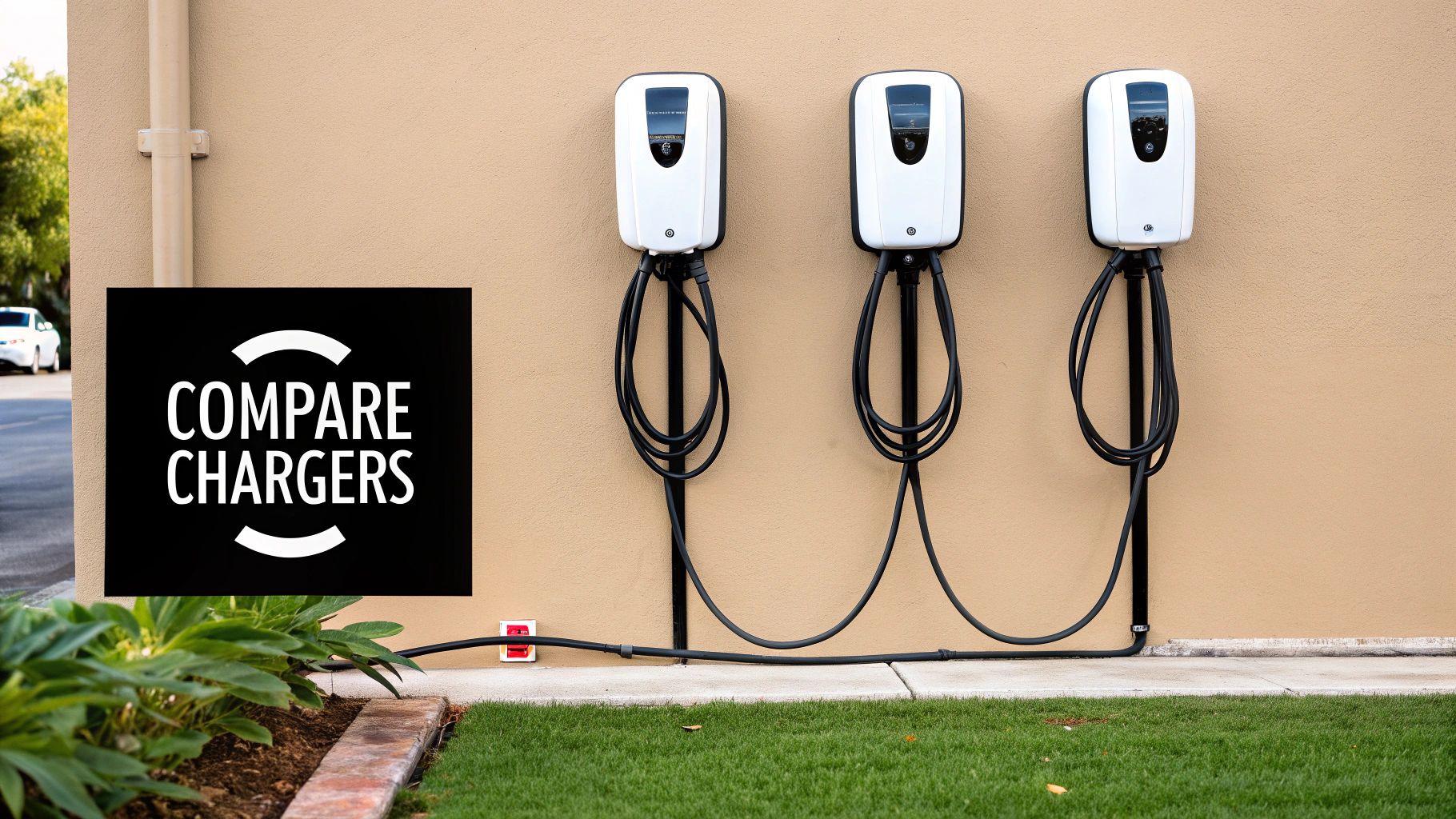
Narrowing down the best Level 2 EV charger for home can feel overwhelming. Models like Grizzl-E 40 A, ChargePoint Home Flex, and Tesla Wall Connector each bring something different to the table. Let’s break down their specs so you know exactly what to look for.
Top Level 2 Charger Model Comparison
Below is a straightforward side-by-side look at each charger’s output, connectivity options, and price point.
| Model | Output (A) | kW | Connectivity | Approx Cost |
|---|---|---|---|---|
| Grizzl-E 40 A | 40 | 9.6 | Wi-Fi | $500 |
| ChargePoint Home Flex | 50 | 12 | Wi-Fi & Bluetooth | $700 |
| Tesla Wall Connector | 48 | 11.5 | Wi-Fi | $475 |
Key takeaways:
- Grizzl-E 40 A stands out for its stainless-steel case that laughs off rain, snow, and heat.
- ChargePoint Home Flex lets you dial in amps from 16–50 A and control it all via app.
- Tesla Wall Connector feeds roughly 44 miles of range per hour and plugs right into the Tesla app.
“The ChargePoint app is a game changer for scheduling and energy tracking,” says homeowner Sarah in Park City.
Performance And App Features
Real-world performance goes beyond amps and kilowatts. Here’s what the built-in software offers:
- Dynamic Load Balancing adapts output when your oven or dryer kicks on.
- Scheduled Charging targets off-peak electricity rates automatically.
- Alerts and Notifications keep you updated on start, stop, or fault events.
- Firmware Updates arrive Over-The-Air to keep your charger humming.
User reviews back it up: Grizzl-E scores 4.5 stars, ChargePoint 4.7 stars, and Tesla Wall Connector 4.6 stars across major retailers.
“Dynamic load balancing meant no panel upgrade for my 50 A charger,” notes Jordan, a Davis County homeowner.
Real-World Stories
Mike in Salt Lake City swapped his 30 A unit for a ChargePoint Home Flex set to 48 A. His nightly charge time dropped from 8 hours to 6 hours, saving about $5 a month.
Meanwhile, Ana in Ogden loves that rugged Grizzl-E design. She reliably nets 30 miles of range every hour—even when winter winds gust.
Portable Chargers And Urban Use
Portable Level 2 EV chargers are gaining traction for busy city dwellers and renters. They’re easy to tuck in a closet or trunk and plug into a NEMA 14-50 outlet without an electrician.
- Ideal for renters who can’t install hardwired stations
- Compact design fits in a trunk or closet
- Often plug into a NEMA 14-50 outlet with no electrician needed
- Provide 20–30 miles of range per hour
Global demand hit $1.41 billion in 2024 and is forecast to climb to $1.65 billion in 2025 and $5.73 billion by 2033 at a 16.85% CAGR. Read more in this Straits Research market report.
Tesla Wall Connector Notes
If you drive a Tesla, the Wall Connector delivers up to 11.5 kW and syncs charging windows seamlessly. For step-by-step guidance, check out our guide on Tesla EV charger installation.
Installation Ease
- ChargePoint Home Flex and Tesla Wall Connector require a hardwired install by a licensed electrician.
- Grizzl-E offers a plug-in version for a DIY setup on a NEMA 14-50 outlet, cutting labor costs.
Choosing Your Best Option
Ask yourself before you buy:
- How many miles do you drive each day?
- Can your panel handle a 50 A circuit?
- Do you need app-based scheduling and monitoring?
- Is portability a must for travel or renters?
Final Thoughts And Next Steps
You’ve seen specs side by side, heard from real homeowners, and explored portable options. Now you’re ready to pick the best Level 2 EV charger for home.
Call us at (123) 456-7890 or request a free quote to lock in your installation. Let’s power up your EV today.
Troubleshooting And Common Questions
When your charger flashes an error code or drops its connection, it’s like hitting a pothole on your daily commute. You’ve invested in one of the best Level 2 home EV chargers, so let’s smooth out the ride.
Here are a few glitches you might encounter:
- Breaker trips at 32 A instead of 40 A
- Loose wiring leading to intermittent power loss
- Charger display freezing mid-session
- Wi-Fi dropouts interrupting app controls
Often, a quick once-over fixes it. Verify the breaker’s amperage, tighten any loose terminals, and update firmware through your charger’s companion app.
Common Charger Issues
Circuit breakers can act like a crowded street during rush hour—too many amps, not enough room to pass. Upgrading your panel or installing a smart load balancer often calms the traffic.
If resets and software patches keep failing, it’s time to call in a pro. A licensed electrician will track down hidden faults and secure those connections so the problem doesn’t keep coming back.
“Loose connections are the silent culprits behind most trips,” says a senior Black Rhino Electric technician.
Don’t wait for a recurring outage. For step-by-step help on EV charger troubleshooting, see our detailed guide on residential troubleshooting tips.
Reader Questions Answered
- What Circuit Size Do I Really Need?
A 40 A circuit delivers roughly 9.6 kW, which translates to about 30 miles of range per hour. If you average under 20 miles a day, a 30 A breaker can do the job. - Can I Install in a Multiunit Dwelling?
Yes. You’ll likely need landlord or HOA approval and possibly a shared load-management device to keep common panels from overloading. - How Do Rebates and Incentives Work?
Federal tax credits cover 30% of equipment and installation expenses, up to $1,000. State and utility rebates differ—check local programs for specific details. - Are Portable Chargers Safe Year-Round?
Absolutely, provided they carry an IP65 (or higher) rating. When you’re not charging, stow them indoors to extend their lifespan.
These tips should help you diagnose minor hiccups and plan your next steps with confidence.
Quick Tip: Always switch off the main circuit breaker before inspecting connections to avoid electric shock. If the issue persists, our certified electricians can pinpoint complex faults quickly and safely.
Honestly, ready to power your home with confidence? Request a free quote now. Trust Black Rhino Electric to power your home with confidence.