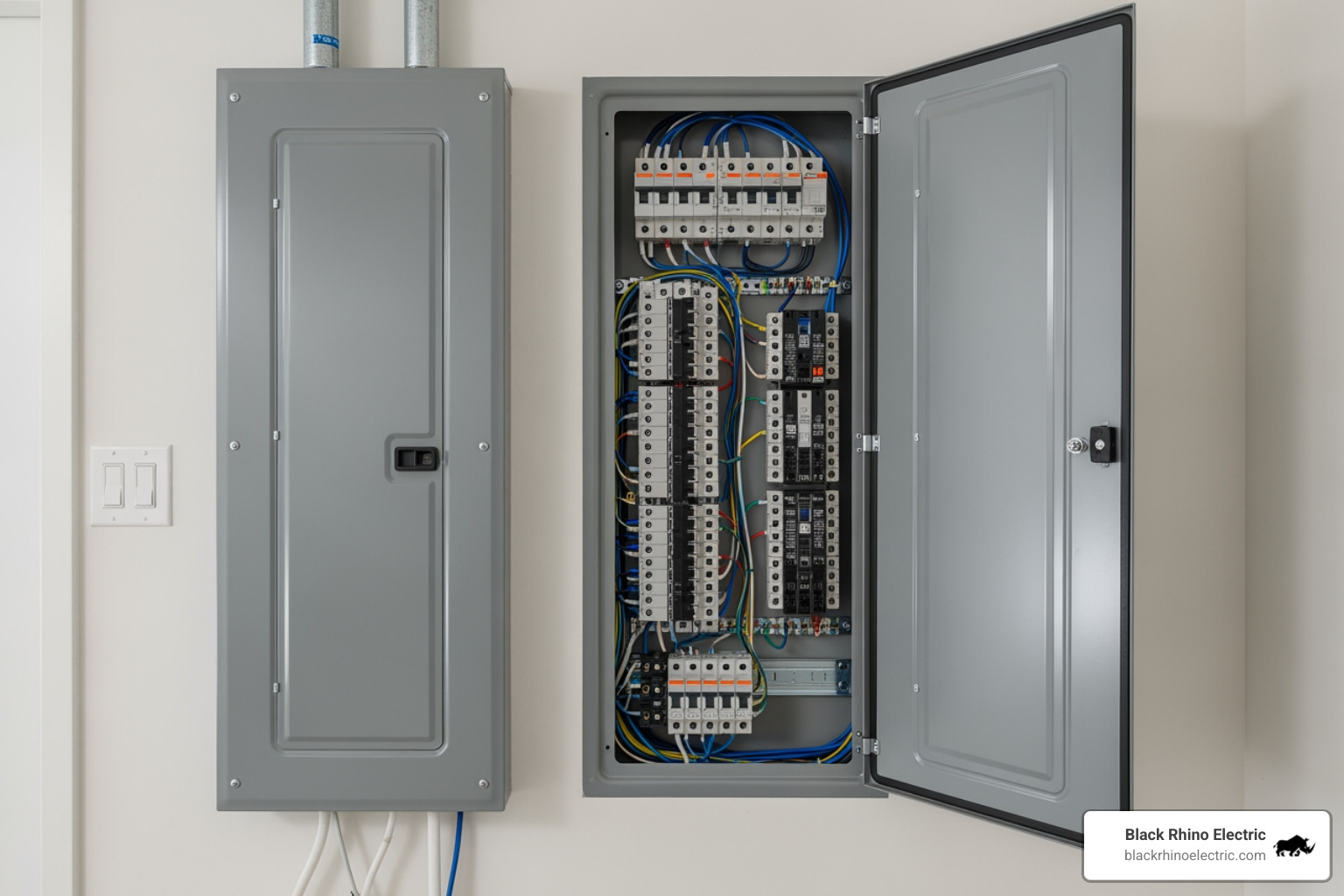
Your home’s safety depends heavily on the health of its electrical system, which is why staying ahead of maintenance is so vital. If you’ve noticed flickering lights or breakers that won’t stay reset, you likely need a professional residential electrical panel repair to keep your family safe. Let me explain why addressing these issues early is the smartest move you can make for your home and your wallet.
Contents
Why Recognizing Panel Problems Early Saves Lives and Money
Your home’s electrical panel is the nerve center of your entire electrical system, and when it starts to fail, residential electrical panel repair becomes a critical safety priority. Most homeowners don’t think twice about that metal box on their wall-until the lights start flickering, breakers trip constantly, or worse, they smell something burning.
Here’s the thing: your electrical panel quietly manages every amp of power flowing through your home. When it malfunctions, you’re not just dealing with an inconvenience-you’re facing a genuine fire hazard that puts your family and property at risk.
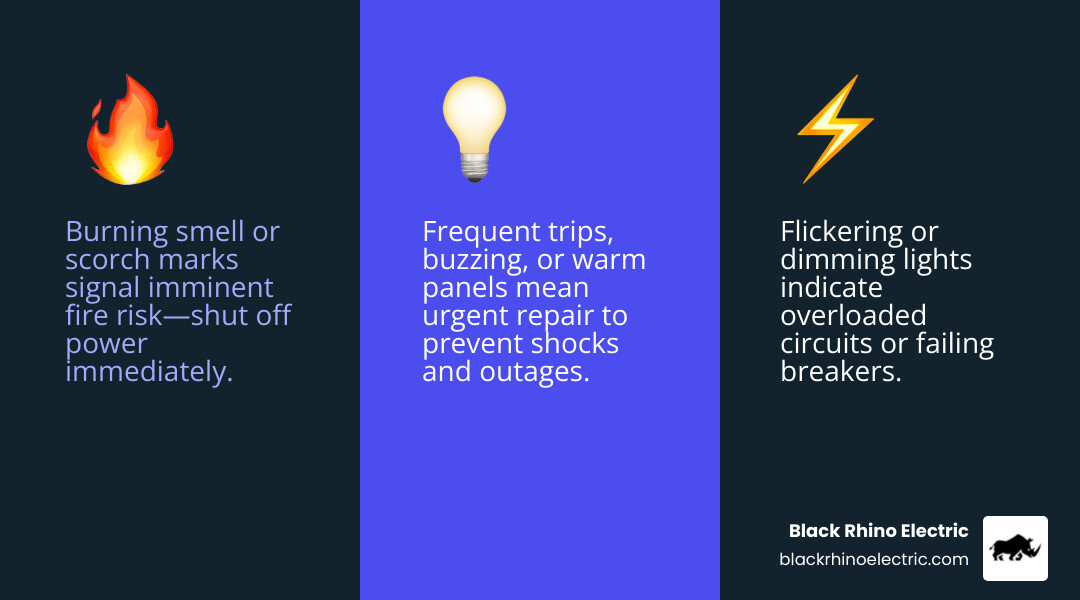
Common signs you need residential electrical panel repair:
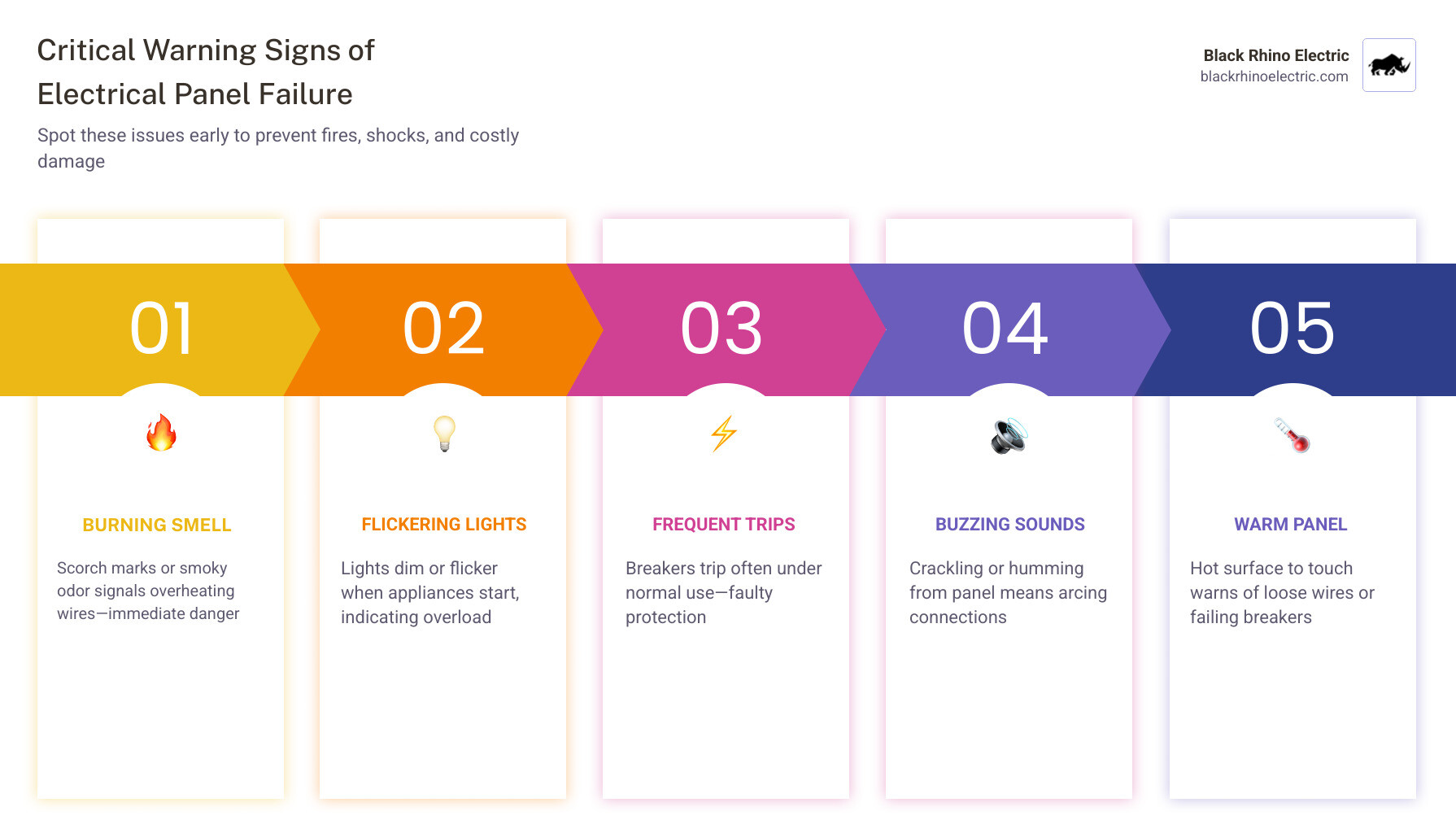
- Burning smell or scorch marks around the panel box
- Frequent circuit breaker trips even with normal electrical loads
- Buzzing, crackling, or humming sounds coming from the panel
- Flickering or dimming lights when appliances turn on
- Warm or hot panel surface to the touch
- Visible rust, corrosion, or moisture inside the panel
- Breakers that won’t stay reset or feel loose
Most electrical panels last 25-40 years, but age isn’t the only factor. Older homes in Weber County-especially those built before 1990-often have 60-amp or 100-amp panels that simply can’t handle modern electrical demands. Add in Utah’s temperature extremes, and you’ve got a recipe for accelerated wear.
The research shows that certain panel brands like Federal Pacific Electric and Zinsco have known safety defects where breakers fail to trip during overloads. If you’ve got one of these panels, replacement isn’t optional-it’s urgent.
Let me explain the most critical warning sign: if you smell burning or see scorch marks, turn off your main breaker immediately and call a licensed electrician. That’s not a “schedule it next week” situation. That’s a potential electrical fire waiting to happen.
The good news? Most panel issues give you plenty of warning signs before they become emergencies. Understanding what to look for-and when to call for professional help-can prevent thousands in property damage and keep your loved ones safe.
Understanding Your Home’s Electrical Heart
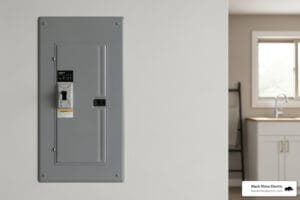
Your home’s electrical panel, also known as the breaker box, is essentially the heart and mind of your entire electrical system. It acts as the central hub where the high-voltage electricity provided by the utility company is divided into smaller, manageable circuits that power your lights, appliances, and outlets.
When everything is working correctly, the panel manages voltage distribution safely. However, its most important job is acting as a safety monitor. Each circuit is protected by a breaker that is designed to “trip” or shut off if it detects an overload or a short circuit. This prevents wires from overheating and starting a fire. Understanding electrical panel types is the first step in knowing how to maintain this vital piece of equipment.
The Role of the Breaker Box
The breaker box serves as the main service entrance for your home. It houses the main breaker-which can shut off power to the entire house in an emergency-and individual branch breakers for different rooms or heavy appliances like your HVAC system or electric dryer.
If you live in Ogden or Roy, you might have an older panel that was installed when homes didn’t have nearly as many electronics as we do today. Modern life requires a lot of “juice,” and a Breakers & Panels Electrician can help ensure your panel is up to the task of protecting your home from the hazards of modern electrical loads.
Critical Signs You Need a Residential Electrical Panel Repair
Honestly, your electrical panel is usually pretty vocal when it’s unhappy. You just need to know how to listen. Recognizing the symptoms of a failing panel early can be the difference between a simple repair and a full-blown emergency.
| Symptom | Potential Cause | Urgency Level |
|---|---|---|
| Burning Smell | Overheated wires or melting insulation | Emergency |
| Flickering Lights | Loose connections or overloaded panel | High |
| Frequent Breaker Trips | Circuit overload or failing breaker | Medium |
| Buzzing/Humming | Arcing electricity or faulty breaker | High |
| Rust or Corrosion | Moisture intrusion or high humidity | High |
| Warm Panel Surface | Internal electrical resistance/overheating | High |
If you are experiencing any of these, it’s time to call a Troubleshooting Electrician to diagnose the root cause before it escalates.
Common Symptoms of a Failing System
You know what? Sometimes the signs are subtle. You might notice a faint crackling noise when you stand near the box, or perhaps the wood or drywall around the panel looks slightly discolored or scorched. These are huge red flags.
A warm panel is another major warning. While electronics generate some heat, the exterior of your breaker box should never feel hot to the touch. If it does, electricity is meeting resistance, which generates heat-and heat leads to fire. If you’re wondering Should You Repair or Replace Your Circuit Breaker Panel: Here’s How To Decide, the rule of thumb is that if the physical structure of the panel is compromised (like scorch marks or rust), replacement is almost always the safer bet.
When Residential Electrical Panel Repair Isn’t Enough
Sometimes, a residential electrical panel repair is like putting a band-aid on a broken leg. If your home still uses a fuse box, or if you have a panel from brands like Federal Pacific Electric (FPE) or Zinsco, repair is not a viable option. These panels have a documented history of failing to trip, which has led to thousands of house fires.
Furthermore, if your home is running on 60-amp or even 100-amp service, you are likely underpowered for modern needs like EV chargers or central air conditioning. In these cases, looking into the Cost to Upgrade Electrical Panel is a much better investment in your home’s future and safety.
The Dangers of Ignoring Panel Issues
Ignoring these issues is playing a dangerous game. The National Electrical Code (NEC) exists for a reason-to prevent fire hazards and electrical shocks. A faulty panel can damage expensive appliances by sending inconsistent voltage through your home.
Moreover, many insurance companies will refuse to cover a home (or will significantly increase premiums) if they find an outdated or hazardous panel like an FPE. For more information on why these upgrades matter, check out Electrical Panel Upgrades – MyEnergy.NY.gov.
Professional Solutions and Maintenance
At Black Rhino Electric, we’ve seen it all in Weber County. From the historic homes in Ogden to newer developments in West Haven, every panel has a story. Our team provides a professional assessment that goes beyond a simple visual check. We perform load analysis to see exactly how much stress your system is under and ensure everything is up to modern safety standards.
Whether you’re in North Ogden or South Ogden, our goal is to give you peace of mind. We also handle Commercial Electrical Panels and Meters, so we understand the heavy-duty requirements of high-demand electrical systems.
How to Identify Your Panel’s Age and Capacity
Not sure how old your panel is? Look for a manufacturer’s label inside the door. It will often list the date of manufacture and the amperage rating. Most modern homes require at least 200-amp service to safely handle appliances, computers, and specialized equipment like hot tubs.
If you see a “100” or “60” on the main breaker (the big one at the top), your capacity is likely insufficient for today’s standards. Understanding Electrical Panel Installation Basics can help you decode what those numbers mean for your daily power usage.
Maintenance Tips to Avoid Residential Electrical Panel Repair
Prevention is always cheaper than a cure. Here are a few things you can do to extend the life of your panel:
- Visual Inspections: Every few months, take a look at the panel. Look for new rust, dust buildup, or any signs of moisture.
- Keep it Clear: The NEC requires at least 3 feet of clearance in front of your panel. Don’t stack boxes or hide it behind a shelf.
- Listen and Smell: It sounds weird, but occasionally “checking in” with your panel by listening for hums or smelling for ozone/burning can catch a problem early.
- Professional Tune-ups: Just like your HVAC, an electrical system benefits from Electrical Maintenance 101: Everything You Need to Know.
What to Expect During a Professional Inspection
When we come to your home in Pleasant View or Riverdale, we don’t just flip a few switches. A professional inspection involves:
- Thermal Imaging: To find “hot spots” that aren’t visible to the naked eye.
- Voltage Testing: To ensure consistent power delivery.
- Grounding Verification: Making sure your home is properly grounded to prevent shocks.
- Tightening Connections: Over time, Utah’s temperature swings can cause wires to expand and contract, loosening connections.
To learn more about the expertise involved, read What Does a Panel Electrician Do? A Comprehensive Guide.
You know what? Taking care of your electrical system today prevents a massive headache-and a massive bill-tomorrow. If you’ve noticed any of these warning signs, don’t wait for a total power failure to act. Contact our expert team at 801-810-4292 or Request a Free Quote to ensure your home remains safe and fully powered.